Sudan’s RSF Massacres Civilians and Buries Hundreds in Mass Graves in El-Fasher

Sudan’s RSF Massacres Civilians and Buries Hundreds in Mass Graves in El-Fasher

10 November, 20256 sources compared
Sudan

Key Points from 6 News Sources

  1. 1

    RSF killed and burned hundreds of civilians in El-Fasher to hide evidence

  2. 2

    Mass graves discovered in El-Fasher containing bodies of civilians killed by RSF
  3. 3

    WHO condemned violence after the killing of Dr. Adam Ibrahim Ismail in El-Fasher

Full Analysis Summary

Sudan RSF Alleged Atrocities

Sudan’s Rapid Support Forces (RSF) are accused by Sudanese medical groups and multiple outlets of mass killings in el-Fasher after the RSF seized the city in late October.

Reports indicate that fighters buried hundreds in mass graves and burned bodies to conceal evidence.

The Sudan Doctors Network says hundreds of bodies have been collected from the streets, alleging a campaign against civilians.

International and local rights groups warn of atrocities and urge swift action.

Coverage also notes the RSF takeover timeline—described as “late October” or specifically October 26—amid heavy clashes and a spiraling humanitarian crisis.

Coverage Differences

Timing and attribution details

Al Jazeera (West Asian) reports the RSF took over el-Fasher on “October 26,” while The Eastleigh Voice (Local Western) says the city was seized “in late October.” Daily Sabah (West Asian) foregrounds that “local and international rights groups” are raising alarms and that the Sudan Doctors Network reported “hundreds of bodies” collected and buried or burned. Türkiye Today (West Asian) emphasizes the broader battle context, noting RSF control after “heavy clashes.”

Focus and framing

Daily Sabah (West Asian) highlights international condemnation and rights-group alarms alongside the Doctors Network’s detailed claims. The Eastleigh Voice (Local Western) centers on doctors’ accusations of mass graves and burning to hide evidence. Türkiye Today (West Asian) adds a health and humanitarian lens, citing WHO concerns amid RSF advances. Al Jazeera (West Asian) integrates these elements with explicit concealment methods and the city’s capture date.

Allegations of Genocide in Sudan

Medical groups, notably the Sudan Doctors Network, characterize the RSF’s actions as genocide.

Daily Sabah quotes the network calling it “full-fledged genocide.”

The Eastleigh Voice reports it as “systematic genocide targeting civilians.”

Al Jazeera says the network labeled it “ongoing genocide,” all while alleging bodies were burned or buried to hide crimes.

The doctors and rights groups demand urgent, independent international investigations into violations of international and religious laws.

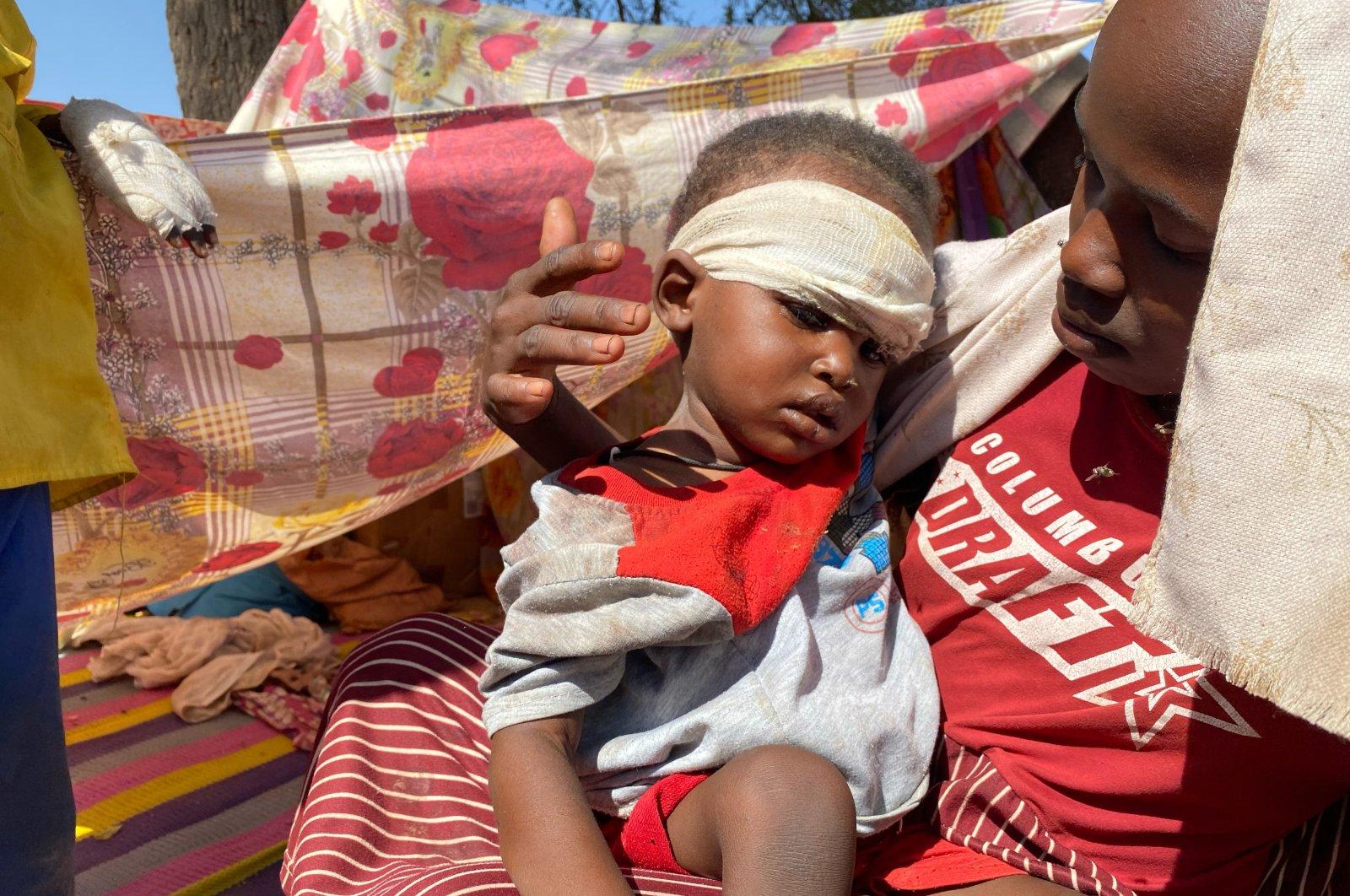
They stress that women and children are among the victims.

Coverage Differences

Language severity and legal framing

Daily Sabah (West Asian) quotes the Sudan Doctors Network describing a “full-fledged genocide” and urging an “independent international investigation.” The Eastleigh Voice (Local Western) frames it as “systematic genocide” and explicitly cites “violations of international and religious laws.” Al Jazeera (West Asian) uses the phrase “ongoing genocide” and also highlights breaches of international and religious laws. Türkiye Today (West Asian) does not use the term genocide in its snippet, but reports “ethnic massacres,” forced displacement, and human rights abuses.

Attribution clarity

All three outlets—Daily Sabah (West Asian), The Eastleigh Voice (Local Western), and Al Jazeera (West Asian)—report or quote the Sudan Doctors Network’s claims rather than asserting them as their own. This is clear where each outlet attributes the genocide description to the medical group.

Humanitarian Crisis in El-Fasher

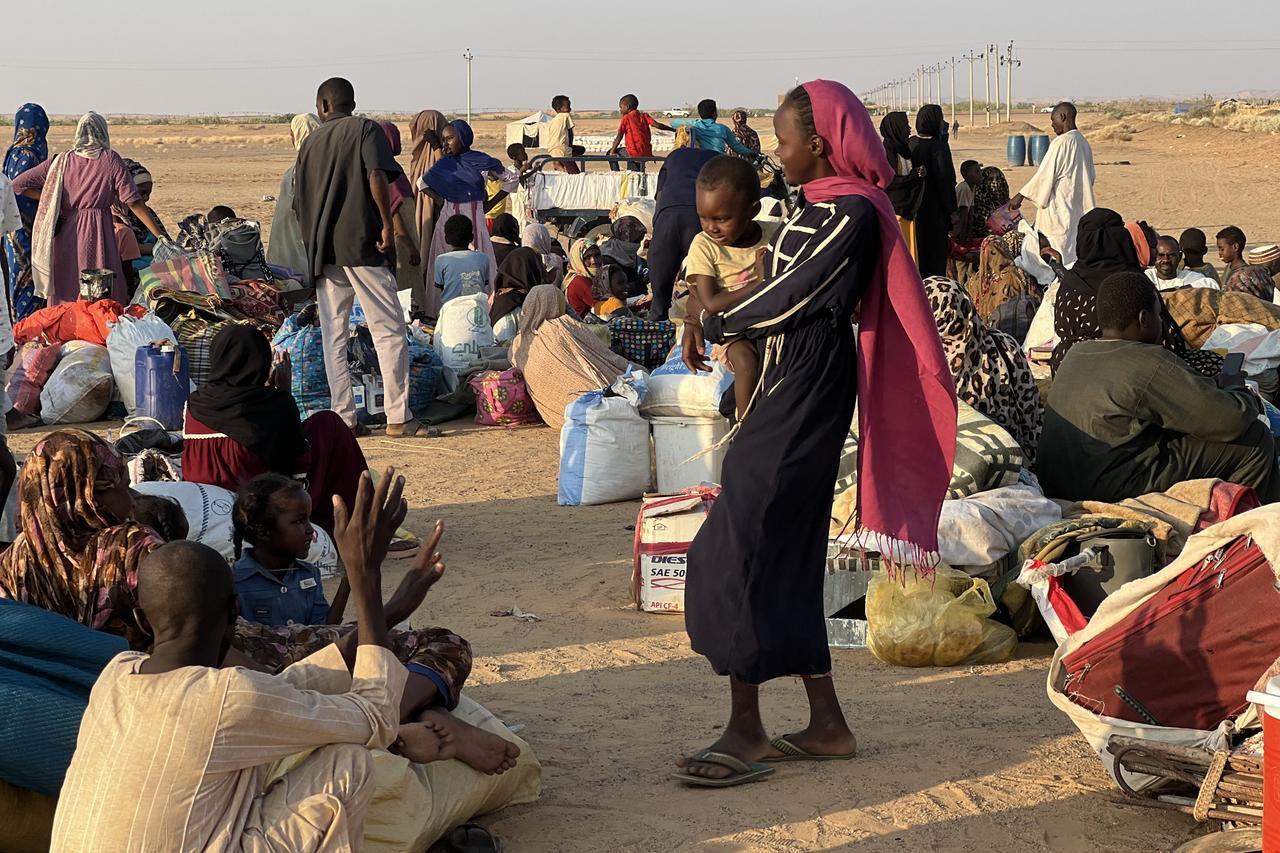
The humanitarian toll is severe in El-Fasher.

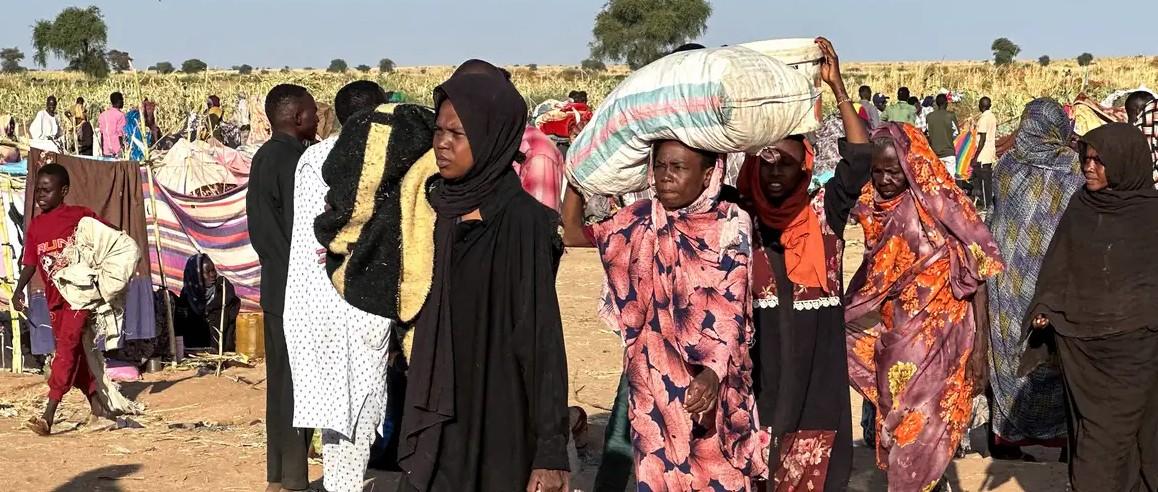
Al Jazeera cites IOM figures that 82,000 of El-Fasher’s 260,000 residents have fled.

Many have died from injuries or lack of essentials.

Survivors describe a communications blackout.

Daily Sabah reports hundreds of bodies have been retrieved.

A U.N. official called El-Fasher a city of grief.

There has been international condemnation of the situation.

Türkiye Today notes the WHO mourning the killing of Dr. Ismail and reiterates calls to protect health workers.

This is set against a nationwide crisis of thousands dead and millions displaced since April 15, 2023.

The Eastleigh Voice reports hundreds buried in mass graves and burned, underscoring the scale of alleged atrocities.

Coverage Differences

Data specificity and scope

Al Jazeera (West Asian) provides specific displacement numbers from IOM and details a communications blackout. Daily Sabah (West Asian) emphasizes the immediate aftermath—“hundreds of bodies,” a U.N. description of “a city of grief,” and global condemnation. The Eastleigh Voice (Local Western) echoes the claim of hundreds buried and burned. Türkiye Today (West Asian) broadens scope to the national crisis since April 2023, citing thousands of deaths and millions displaced.

Health-worker protection vs. mass-atrocity focus

Türkiye Today (West Asian) and Daily Sabah (West Asian) foreground the WHO’s mourning of a slain doctor and calls to end violence against health workers, while Al Jazeera (West Asian) and The Eastleigh Voice (Local Western) focus more on mass killings, concealment, and displacement dynamics.

Ethnic and Civilian Violence Reports

Several reports highlight an ethnic and racial aspect to the violence.

Al Jazeera connects the RSF to the Janjaweed militia and notes that civilians, particularly darker-skinned groups like the Zaghawa who are allied with the army, have faced racially motivated attacks.

Survivors reported that RSF fighters posted videos of killings during a communications blackout.

Türkiye Today mentions ethnic massacres alongside forced displacement and abuses.

In contrast, Daily Sabah and The Eastleigh Voice focus on widespread targeting of civilians, including women and children, and describe concealment tactics such as burning bodies without specifying particular ethnic groups.
Coverage Differences

Ethnic-dimension emphasis

Al Jazeera (West Asian) uniquely specifies racially targeted violence, mentioning “darker-skinned groups like the Zaghawa” and the RSF’s link to the Janjaweed. Türkiye Today (West Asian) references “ethnic massacres” but does not name specific groups. Daily Sabah (West Asian) and The Eastleigh Voice (Local Western) highlight mass killings and civilian victimization without detailing ethnic categories in the provided excerpts.

Historical linkage of perpetrators

Al Jazeera (West Asian) provides historical context linking the RSF to the Janjaweed militia known for past Darfur atrocities, a connection not explicitly made in the excerpts from Daily Sabah, The Eastleigh Voice, or Türkiye Today.

Calls for Accountability in Sudan

Amid the atrocities, various outlets converge on demands for accountability and protection.

The Sudan Doctors Network and rights groups call for independent international probes.

The U.N. and WHO are cited urging an end to violence and protection of civilians and health workers.

Daily Sabah describes el-Fasher as a city of grief and urges swift international action.

The Eastleigh Voice echoes urgent calls for investigations.
Al Jazeera highlights fears of further mass violence.

Türkiye Today stresses the imperative of peace as RSF gains raise the risk of deeper national fractures.

Coverage Differences

Remedy and response focus

Daily Sabah (West Asian) stresses appeals for an “independent international investigation,” international condemnation, and urgent action to protect civilians. The Eastleigh Voice (Local Western) reiterates urgent calls for independent investigations. Al Jazeera (West Asian) emphasizes escalating risk—fear of further mass violence—alongside displacement. Türkiye Today (West Asian) foregrounds WHO’s call for peace and an end to violence against health workers.

Tone and severity

Daily Sabah (West Asian) uses stark language like “full-fledged genocide” and quotes a U.N. official calling el-Fasher “a city of grief.” Al Jazeera (West Asian) combines severe legal framing with specific data and survivor accounts. The Eastleigh Voice (Local Western) balances legal condemnation with on-the-ground allegations. Türkiye Today (West Asian) adopts an institutional tone centered on WHO appeals and national-level crisis metrics.

All 6 Sources Compared

Al Jazeera

Sudan medics accuse RSF of burning, burying bodies to conceal ‘genocide’

Read Original

Al-Jazeera Net

Reuters: The hopes of the Bedouins of Sweida displaced persons to return are diminishing after deadly clashes

Read Original

Al-Jazeera Net

The World Health Organization calls for an end to the bloodshed in Sudan

Read Original

Daily Sabah

Reports of mass graves, RSF atrocities emerge from Sudan's el-Fasher | Daily Sabah

Read Original

The Eastleigh Voice

Sudan medics demand international investigation over El Fasher mass graves

Read Original

Türkiye Today

World Health Organization chief calls for end to bloodshed in Sudan

Read Original