Full Analysis Summary
Global protests for Machado
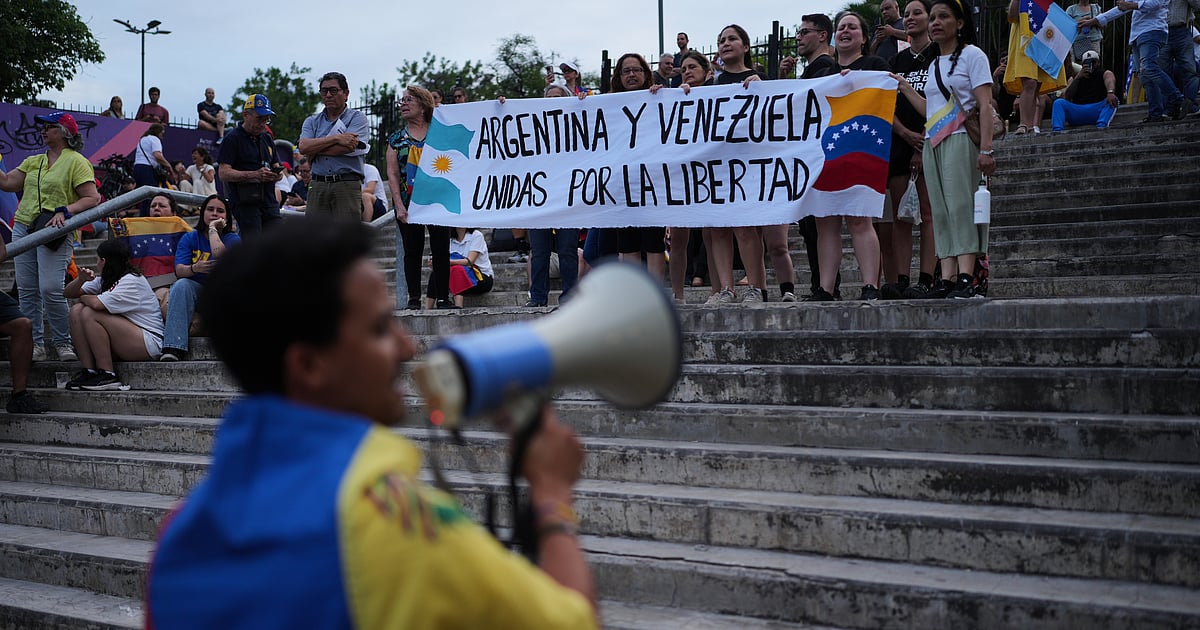
Supporters of Venezuelan opposition leader María Corina Machado held demonstrations in more than 80 cities worldwide to mark her recent Nobel Peace Prize ahead of the award ceremony.
Thousands marched in capitals such as Madrid, Utrecht, Buenos Aires and Lima carrying Venezuelan flags and posters calling for a Free Venezuela.
Organizers and participants framed the rallies as recognition of Machado's struggle for a democratic transition and as solidarity with political prisoners and victims of Venezuela's crisis.
The demonstrations took place while Machado remains unable to travel to accept the prize in person.
Coverage Differences
Tone and focus
The New Indian Express (Asian) frames the events as large, coordinated global demonstrations emphasizing political messaging — “Free Venezuela” posters and broad recognition of democratic struggle — and highlights international geopolitical tension; El Mundo (Western Mainstream) emphasizes the personal, family side of the story through Ana Corina’s testimony and longing to reunite in Oslo, focusing on human interest rather than protest logistics. Each source is reporting on different aspects: New Indian Express reports the marches and political context, while El Mundo reports Ana Corina’s personal perspective and family separation.
Venezuela Nobel reactions
Supporters and marchers said the Nobel award recognizes the broader struggle for democracy in Venezuela.
They said it honors political prisoners and others who have suffered amid the country's crisis and serves as a platform to demand change.
The New Indian Express reports protesters carrying messages that the prize 'belongs to the country' and framing the ceremonies as solidarity with victims of repression.
El Mundo supplements the political framing with a human portrait.
It highlights Ana Corina's story of emigration, her shared identity with her mother, and the emotional toll of long separation that underpins the family's public activism.
Coverage Differences
Narrative emphasis
The New Indian Express (Asian) emphasizes the political symbolism and claims made by supporters — that the Nobel recognizes democracy struggle and honors political prisoners — while El Mundo (Western Mainstream) gives more space to Ana Corina’s personal history and emotional narrative, reporting her emigration, family longing and role in the movement rather than protest slogans. New Indian Express reports collective protest claims; El Mundo reports a family member’s testimony.
Machado's political and personal situation
Reports highlight Machado's precarious political and legal situation.
She was awarded the Nobel on Oct. 10 for her efforts toward a democratic transition.
She remains barred from running and has been living clandestinely after a brief detention on Jan. 9, according to The New Indian Express.
The New Indian Express situates the rallies in a broader context of alleged repression around last year’s July 28 election and a contested government declaration of victory for Nicolás Maduro.
It also notes heightened regional tensions tied to a large U.S. military deployment in the Caribbean that Maduro views as threatening.
El Mundo's coverage adds that Machado's daughter has been unable to hug her mother for nearly two years.
Family separation is central to their public narrative.
Coverage Differences
Scope and geopolitical context
The New Indian Express (Asian) places the marches within a wider geopolitical frame — mentioning U.S. military deployments and contested elections — whereas El Mundo (Western Mainstream) narrows focus to the familial consequences of Machado’s inability to travel and the daughter’s perspective. New Indian Express reports on repression and geopolitical tension; El Mundo reports on personal separation and hopes for reunion.
Comparing media perspectives
The two sources provide complementary but distinct lenses.
The New Indian Express highlights mass mobilization, political claims about democracy, and regional security implications.
El Mundo humanizes the story through Ana Corina’s biography and the family’s hope for reunion in Oslo.
Readers relying on The New Indian Express encounter coverage centered on protest scale and geopolitical stakes.
Readers of El Mundo receive an intimate portrait that foregrounds the human cost of political exile and separation.
Both narratives are factual within their scope but prioritize different elements—collective political mobilization versus personal familial sacrifice—which shapes how audiences interpret the significance of the Nobel and the global demonstrations.
Coverage Differences
Narrative priority and audience framing
The New Indian Express (Asian) prioritizes protest scale and political context, reporting that thousands marched in dozens of cities and linking rallies to regional tensions; El Mundo (Western Mainstream) prioritizes intimate, family-centered storytelling — Ana Corina’s emigration, similarity to her mother, and hope to reunite in Oslo — shaping a more human-interest reading of the same events. Each source is reporting distinct aspects: New Indian Express reports protest details and geopolitical framing, while El Mundo reports a personal testimony that illustrates the human stakes.