USA14 January, 20262 min read
Supreme Court Delays Ruling On Trump’s Global Tariffs, Prolonging Uncertainty For Markets And Businesses
This article is an automated aggregation of coverage from news outlets. Our editorials offer in-depth analysis curated by the NewsCord team.
Supreme Court did not issue a decision on the legality of Trump’s global tariffs. Delay prolongs uncertainty for markets, businesses, and global trade volumes ahead of Lunar New Year.

28 outlets told this the same way.
Outlets did split on Trump Interrupted by Protesters at San Antonio Rally for Ken Paxton →
Supreme Court tariff delay
The U.S. Supreme Court on Jan. 14 again postponed issuing a ruling in the high-profile challenge to President Donald Trump’s broad reciprocal tariffs, leaving businesses and markets without a timetable for resolution and prolonging uncertainty.
“The U.S. Supreme Court on Jan. 14 issued three rulings but again did not decide — or announce a date for deciding — the high-profile legal challenge to President Donald Trump’s global tariffs, leaving the case unresolved and markets uncertain.”
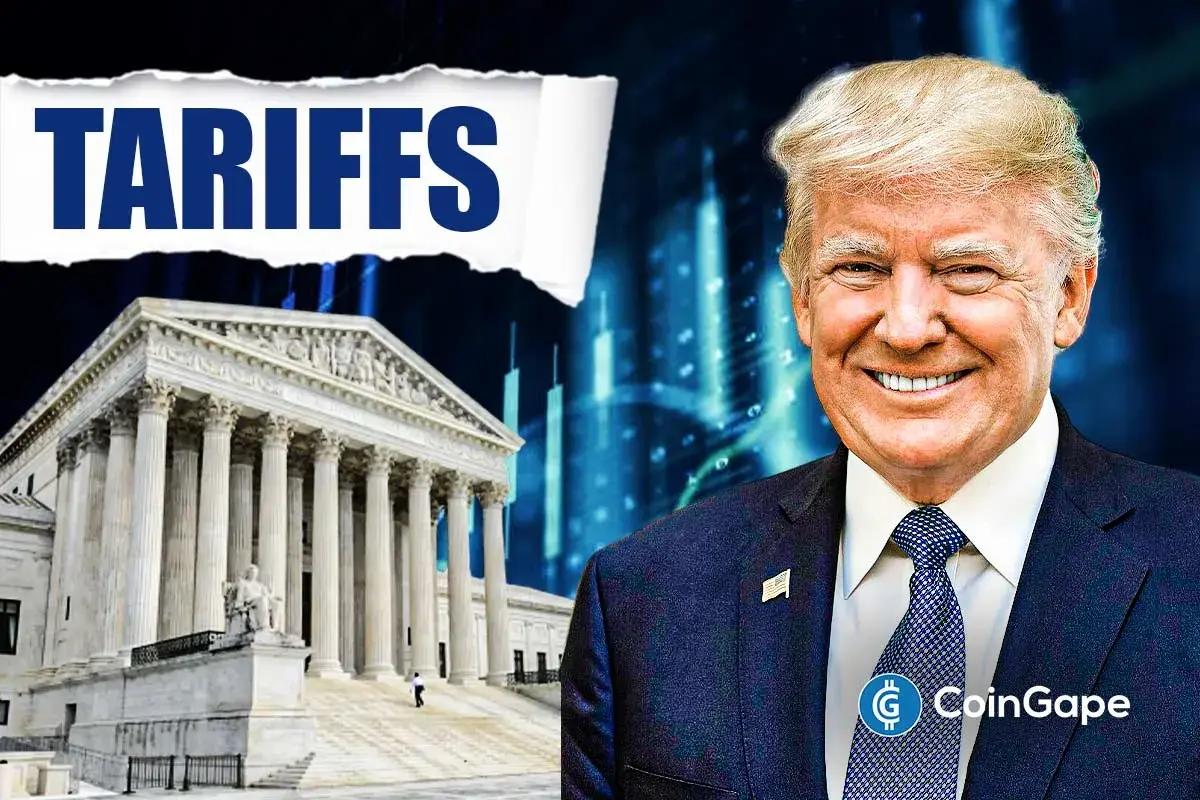
The litigation tests whether the administration lawfully used the 1977 International Emergency Economic Powers Act (IEEPA) to impose wide-ranging duties; lower courts found the tariffs exceeded presidential authority, and the administration is appealing.
Multiple outlets reported the court issued other opinions the same day but withheld this decision, and market observers said the delay could continue to weigh on trade negotiations and investor sentiment.
IEEPA tariff dispute
At the heart of the dispute is whether the president can use IEEPA, a 1977 statute meant for national emergencies, to impose long-term, economy-wide tariffs.
Reporters note that during Nov. 5 oral arguments justices from both ideological wings appeared skeptical or questioned the legal basis for the tariffs.

Lower courts have ruled the measures exceeded presidential authority.
Legal analysts say a ruling against the administration could be its biggest legal setback since returning to office and could open the door to substantial refunds.
Market reaction to court delay
Markets and specific industries have reacted unevenly to the court's silence. Some reports linked the delay to modest stock moves, with The Telegraph noting declines in major indexes while Mint recorded jumps in crypto prices as traders weighed the uncertainty.
Financial outlets such as Fortune highlighted analysts' interpretations that longer delays could increase the likelihood of a ruling favorable to the administration. They also noted estimates for potential refund exposure ranging from roughly $130–135 billion in some Western coverage to different figures when discussing country- or sector-level exposure reported by Asian business outlets.
Asian media on trade
Asian outlets emphasized bilateral negotiations and country-level consequences. The Korea Times noted tariff rates tied to a U.S.–South Korea bilateral investment deal and a reduction from 25% to 15% under that agreement.
Moneycontrol and The Straits Times spelled out India’s sectoral exposure and the broader geopolitical effects on trade talks. Those pieces framed the Supreme Court pause not just as a domestic legal issue but as one with immediate diplomatic and commercial fallout for trading partners and exporters.
Coverage of disputed claims
Political messaging and disputed claims appear across the coverage. Several outlets report Trump's warnings that an adverse ruling could force repayments and cause major economic losses.
“He justified the move under the International Emergency Economic Powers Act (IEEPA) of 1977, which grants presidents special powers to regulate foreign economic transactions during emergencies... claiming they generated more than $600 billion in revenue.”
Some sources also relay the administration's revenue claims about the tariffs. Reporting differs in how it treats those claims: some outlets present them as statements by Trump or the administration, while legal and market coverage treats them as contested or merely one factor for markets to weigh.
