
Supreme Court Hears Trump Administration Bid To End TPS For Haitian And Syrian Immigrants
Key Takeaways
- The Supreme Court heard arguments on ending TPS protections for Haitians and Syrians.
- Ending TPS could affect hundreds of thousands of migrants living in the United States.
- Several justices signaled sympathy toward ending TPS protections in the case.
Supreme Court Hears TPS Case
The United States Supreme Court on Wednesday heard arguments in cases challenging the Trump administration’s effort to end temporary protected status (TPS) for Haitian and Syrian immigrants, a dispute that could determine whether protections for hundreds of thousands of people are stripped and whether courts can review the process used to terminate the program.
“Washington, DC – The United States Supreme Court has begun to hear a case on whether the administration of President Donald Trump may strip the temporary legal status of hundreds of thousands of Haitians and Syrians living in the country”
Multiple outlets described the stakes in similar terms: the Supreme Court could allow authorities to strip protections from up to 1.3 million people from 17 countries, exposing them to possible deportation if the justices side with the administration.

PBS, citing the Associated Press, said the government is appealing lower court orders that blocked the Department of Homeland Security from quickly ending TPS for people from Haiti and Syria, and that the outcome could allow protections to be stripped from “up to 1.3 million people from 17 countries.”
CBS News similarly said the cases stem from then-Secretary of Homeland Security Kristi Noem’s decisions to end TPS for “roughly 6,000 Syrians and 350,000 Haitians,” and that the Supreme Court left the programs in place while it considers the case.
NBC News framed the same core issue as oral arguments over whether the administration can remove legal protections for Haitian and Syrian immigrants, noting that “If the administration wins the case, it would be able to continue with its plan to strip temporary protected status, or TPS, from about 350,000 Haitians and 6,000 Syrians.”
SCOTUSblog described the case as “Mullin v. Doe,” with the court divided over whether challengers’ claims could go forward and whether they would ultimately prevail.
Across the coverage, the justices’ questions repeatedly returned to whether the TPS statute bars judicial review of the secretary’s decisions and the steps leading to them, with NBC quoting Solicitor General D. John Sauer’s argument that the law “bars judicial review of both the secretary’s ultimate decision whether to designate, extend or terminate and of each antecedent step along the way to that determination.”
How the Case Reached Court
The dispute before the Supreme Court grew out of Kristi Noem’s decisions to end TPS for Haiti and Syria, and the litigation centered on whether the administration followed the steps required by the TPS statute and whether courts may review those steps.
CBS News said Noem determined that after consulting with other agencies and reviewing conditions in the two countries, Haiti and Syria no longer met the criteria for TPS, and that Syria’s designation was set to end last November and Haiti’s in February.
It also reported that immigrants from the two countries had “roughly 60 days from Noem's announcement” to when their deportation protections would expire, but that TPS holders filed lawsuits and judges in New York and Washington, D.C., agreed to postpone the effective dates.
AP News described the same procedural path, saying the government appealed after judges in New York and the District of Columbia agreed to delay the end of protections, and that the Supreme Court was asked to intervene after appeals courts declined to put the lower court decisions on hold.
SCOTUSblog added that the Supreme Court agreed to take up the disputes in an order on March 16, but “left the lower courts’ rulings in place,” so the administration could not end the TPS designations while the case moved forward.
The background also included the TPS program’s statutory design and history, with SCOTUSblog stating that the program was “Enacted by Congress in 1990” and that it authorizes the Department of Homeland Security to designate countries whose citizens cannot safely return because of “extraordinary and temporary” conditions.
SCOTUSblog further described the initial designations: then-Secretary of Homeland Security Janet Napolitano designated Haiti in 2010 after a powerful earthquake that “killing more than 300,000 people,” and Napolitano designated Syria in 2012 citing “deteriorating conditions” after a “brutal crackdown” by Bashar al-Assad.
Arguments, Quotes, and Disputes
In oral arguments, the administration and challengers clashed over whether courts can review the TPS termination process and whether the decision was influenced by political or discriminatory motives.
NBC News reported that Solicitor General D. John Sauer argued that Noem’s decisions are not reviewable in court, maintaining that Noem’s decisions on revoking TPS designations are not subject to judicial review, and it quoted Sauer’s position that the federal law “bars judicial review of both the secretary’s ultimate decision whether to designate, extend or terminate and of each antecedent step along the way to that determination.”
NBC also described how lawyers for Haitian plaintiffs argued that the termination was driven by the president’s racial animus, quoting Geoffrey Pipoly as saying: “the true reason for the termination is the president’s racial animus towards non-white immigrants and bare dislike of Haitians, in particular.”
For Syrian plaintiffs, Ahilan Arulanantham argued that while the homeland security secretary is allowed to terminate TPS, “he must turn square corners” and “follow the rules Congress set,” and NBC quoted him as pressing the court on the meaning of reviewable steps.
SCOTUSblog similarly captured the challengers’ framing, quoting Arulanantham that the secretary “can terminate TPS, … he must turn square corners, follow the rules Congress set,” and warning that the government’s reading could become a “blank check.”
SCOTUSblog also quoted Geoffrey Pipoly’s argument that Noem’s “termination of Haiti’s TPS was different,” saying it was “not the result of the mandatory review process but was instead a preordained result driven by the President’s resolve to end TPS for Haiti, no matter what.”
The administration rejected the racial animus claim, with CBS News reporting that Sauer called the lower court’s finding that the Trump administration’s decision to end TPS for Haiti rested on racial animus a “legal and factual nonstarter.”
Divergent Emphases Across Outlets
While all the outlets described the same Supreme Court hearing and the same central question about whether courts can review TPS termination decisions, they diverged in what they emphasized—especially the role of the president’s statements and the procedural versus substantive focus.
CNN’s takeaways said the Supreme Court indicated it would back President Donald Trump’s push to end temporary deportation protections and framed the conservative justices’ focus on whether federal courts have “no power to review the legality of TPS decisions,” pointing to the TPS law’s provision that “determinations” are not reviewable.

CNN also highlighted the liberal justices’ focus on Trump’s remarks, quoting Justice Sonia Sotomayor’s discussion of Trump calling Haiti “filthy,” “dirty” and “disgusting” and “shithole country,” and reporting Sotomayor’s statement that she did not see how that did not show a “discriminatory purpose may have played a part in this decision.”
By contrast, NBC News foregrounded the administration’s argument that Sauer’s position was that the law bars review and that the administration’s decisions should be left to political branches, while also quoting Haitian plaintiff attorney Geoffrey Pipoly’s account of Trump’s comments, including a quote that Trump vowed he would terminate Haiti’s TPS and that it was “exactly what happened.”
The AP News report emphasized the “life or death” stakes and included a quote from Sejal Zota, saying: “This really is life or death,” and it also described a judge’s finding that “hostility to nonwhite immigrants” likely played a role in ending protections for Haitians.
PBS, citing the Associated Press, similarly described the stakes but also included a specific line from federal lawyers: “'No judicial review' means no judicial review,” and it quoted the administration’s argument that the homeland security secretary has the power to end the program and that the law bars judges from questioning those decisions.
The New York Times described the arguments as “closely divided” and said the court’s three liberal justices suggested the decision may have been racially motivated, while it reported Sauer’s response that the statements were “unilluminating” and references to poverty and crime rather than race.
What Happens Next for TPS Holders
The Supreme Court’s decision is expected by summer, and the consequences described by the outlets extend beyond the immediate Haitian and Syrian plaintiffs to potentially affect other TPS designations and pending cases.
“The Supreme Court indicated Wednesday it will back President Donald Trump’s push to end temporary deportation protections for potentially millions of foreign nationals who hail from countries enduring war and natural disasters”
AP News said the court is expected to rule by the summer and that its decision “will not technically be a final ruling on the issue, but could have far-reaching effects for immigrants as litigation continues.”
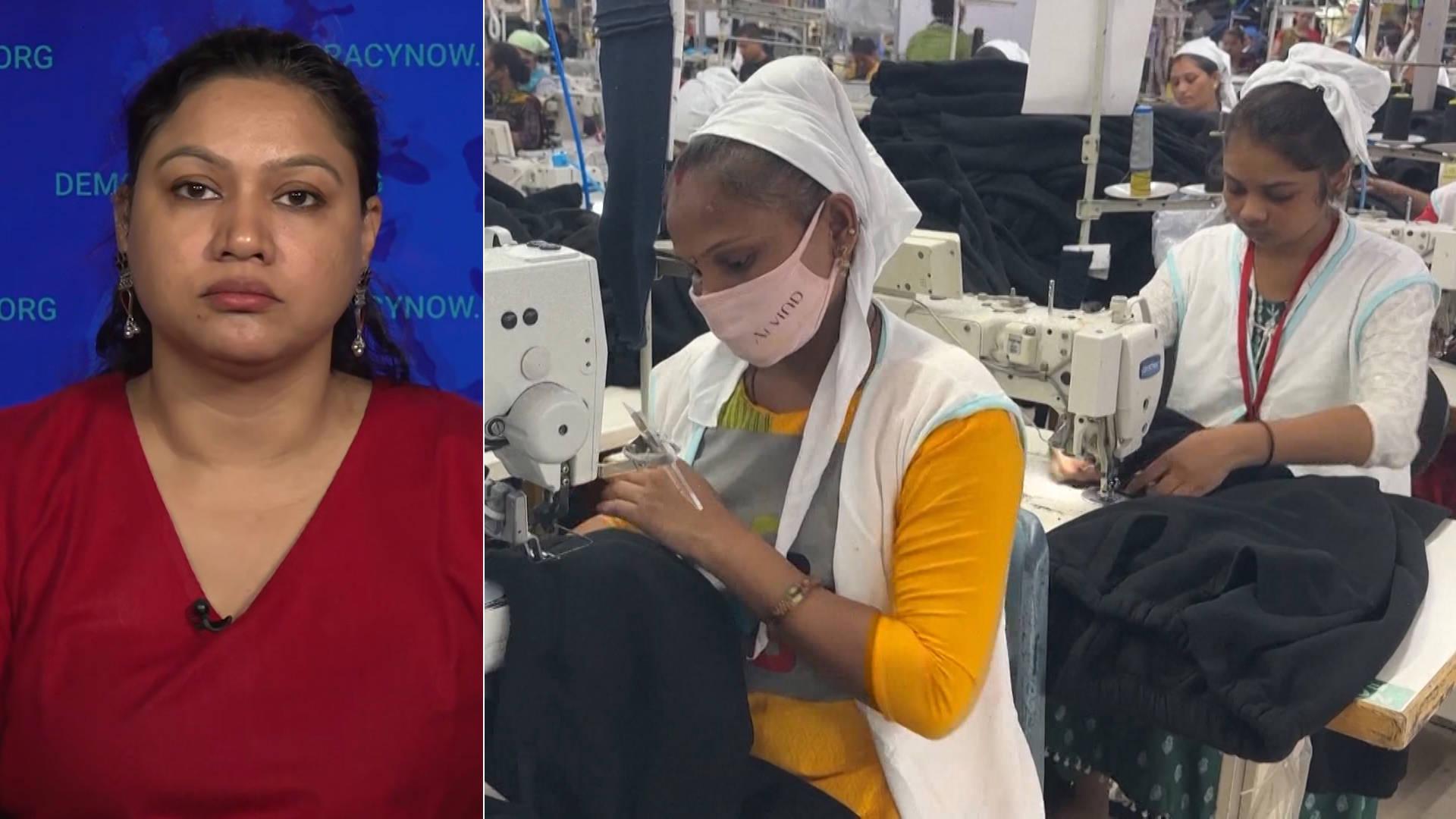
NBC News similarly said the Supreme Court ruling could affect litigation pending in lower courts involving countries such as Somalia, Myanmar and Ethiopia, and it described how, without protected status, affected people are subject to deportation through the normal legal process.
CBS News reported that the high court left the programs for the two countries in place while it considers the case, and it described the legal framework: TPS relief is limited to 18 months, but the secretary can provide extensions if he determines that a country is not safe for immigrants to return to.
SCOTUSblog described the program’s structure and the procedural requirements that challengers say were not followed, including that the secretary must consult with federal agencies and review conditions in a country before making a decision.
The stakes were also described in human terms by AP News and PBS, with AP quoting Sejal Zota saying “This really is life or death,” and PBS quoting Sejal Zota as saying “This really is life or death” as well.
PBS also described the practical impact of losing TPS protections, saying that “Some who have lived and worked in the U.S. legally for more than a decade have lost jobs and housing in a matter of weeks,” and it reported that returning to Haiti and Syria is out of the question for many people because “those countries remain wracked with violence and instability.”
More on USA

Spirit Airlines Shuts Down After Trump Bailout Talks Fail, Cancels All Flights
16 sources compared
U.S. Rebuilds Logistics Supply Chain After Ceasefire, Boosts CENTCOM Airlift From Ramstein
12 sources compared

Donald Trump Tells Congress Iran Hostilities Have Terminated After War Powers Deadline
30 sources compared
Pentagon Plans To Withdraw 5,000 U.S. Troops From Germany Over Trump-Merz Iran Dispute
59 sources compared