5 EYEWITNESS NEWS
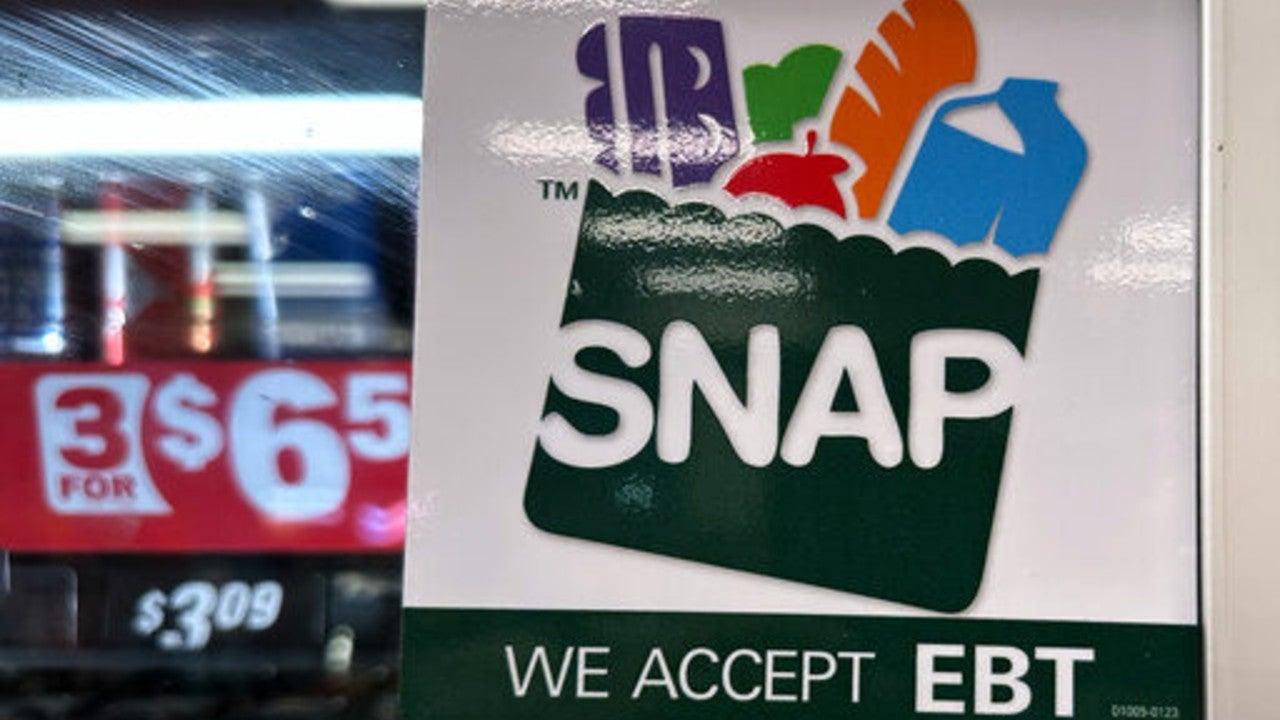
Supreme Court issues emergency order to block full SNAP food aid payments
 ABC7 New York
Federal judge orders Trump administration to fully fund SNAP benefits in November
 abcnews.go
Supreme Court justice temporarily pauses order requiring Trump administration to fully fund SNAP by end of Friday
 abcnews.go
FAA says it's cutting thousands of flights a day starting this week due to shutdown. Here's the list of airports where flights are set to be reduced
 abcnews.go
Judge orders Trump administration to fully fund SNAP benefits by Friday, rebukes Trump
 Al Jazeera
Trump says Mamdani must ‘respect’ Washington, wants New York to succeed
 Al Jazeera
US Supreme Court allows Trump to block $4bn in food aid to families in need
 Albuquerque Journal
Federal judge orders Trump administration to fully fund SNAP benefits in November
 Anadolu Ajansı
Judge orders Trump administration to deliver full food assistance payments for 42M Americans by Friday
 AP News
Supreme Court issues emergency order to block full SNAP food aid payments
 Arab News
US warns it could force 20 percent flight cuts if shutdown continues
 Arise News
US Warns Of Flight Cuts At 40 Airports As Shutdown Drags On, FAA Warns
 Associated Press
Federal judge orders Trump administration to fully fund SNAP benefits in November
 BBC
BBCSupreme Court rules full Snap food benefits can be temporarily halted
 BBC
BBCSnap food benefits - Trump must fully fund aid program by Friday
 BBC
BBCJudge orders Trump administration to fully fund Snap food benefits
 BBC
BBCThousands of US flights cancelled or delayed over government shutdown cuts
 BusinessToday Malaysia
US Airlines Cut Flights Amid Historic Govt Shutdown
 CBC
CBCU.S. Supreme Court allows Trump admin to avoid fully funding SNAP payments for now
 CBS News
Judge orders Trump administration to fully fund SNAP benefits for November by Friday
 CBS News
USDA working to comply with court order to pay full SNAP benefits, agency official says
 CBS News
Flights canceled as government shutdown leaves airlines scrambling to comply with FAA order — live updates
 CBS News
Chicago airports brace for airlines to begin cutting flights under FAA mandate
 cbs19.tv
The Latest: Federal judge orders Trump administration to fully fund SNAP benefits in November
 China Daily - Global Edition
US federal judge orders Trump administration to fully fund SNAP food assistance by Friday
 CNBC
CNBCSNAP benefits must be fully paid by Trump administration by Friday, judge orders
 CNBC
CNBCTrump admin asks Supreme Court to block order it pay full SNAP benefits
 CNN
CNNNovember 6, 2025 – Government shutdown and Trump administration news
 CNN
CNNNovember 7, 2025 – Government shutdown and Trump administration news
 CNN
CNNSupreme Court lets Trump pause full SNAP payments for now
 CNN
CNNNovember 5, 2025 – Government shutdown and Trump adminstration news
 CNN
CNNTrump admin asks appeals court to pause judge’s requirement that it make full November SNAP payments
 CNN
CNNFederal judge orders Trump administration to make full November SNAP payments
 CNN
CNN‘People are really hurting’: From airports to grocery stores, shutdown leaves Americans scrambling
 crispng
Ketanji Brown Jackson freezes $4 Billion in SNAP benefits,what it means for Millions of hungry Americans
 CryptoRank
Evening digest: US shutdown hit 40 airports, Russian oil discounts, Trump pushes crypto
 Daily Express US
Supreme Court issues temporary order blocking SNAP food aid payments
 Devdiscourse
Supreme Court Ruling Sparks Controversy Over SNAP Funding Amid Shutdown
 Dimsum Daily
Over 5,000 U.S. flights scrapped or delayed as shutdown triggers nationwide flight cuts
 El-Balad
Supreme Court Permits Trump to Temporarily Limit SNAP Funding
 Evrim Ağacı
Judge Orders Trump Administration To Fully Fund SNAP
 Firstpost
US judge orders Trump administration to fully fund Snap benefits in November as shutdown continues
 Fox Business
Airlines work to limit impact as FAA cuts air traffic by 10% across 40 markets amid shutdown
 Fox News
Supreme Court blocks lower court order forcing Trump administration to fully fund SNAP program
 Fox News
Appeals court denies Trump administration request to block SNAP funding order during government shutdown
 Fox News
FAA slashes air traffic by 10% across 40 high-volume markets as government shutdown continues
 Fox News
Federal judge rules Trump must fully fund SNAP program by Friday
 FOX6 News Milwaukee
Wisconsin moves to restore FoodShare after judge orders SNAP funding
 Good Morning America
How flights are impacted, what travelers should know amid government shutdown
 GreekReporter
Government Shutdown Forces US to Cut Flights at 40 Airports
 Hindustan Times
US Supreme Court lets Trump withhold $4 billion in food aid funding for now | Hindustan Times
 Hollywood Unlocked
Supreme Court Rules In Favor Of Donald Trump Administration, Temporarily Blocking Federal Judge’s Order Requiring Full SNAP Benefit Payments For November
 Hollywood Unlocked
Federal Judge Orders Donald Trump Administration To Fully Fund SNAP Benefits By November 7, Administration Appeals
 Honolulu Star-Advertiser
Hawaii SNAP recipients receive federal funds before court decision temporarily freezes aid
 International Business Times UK
Millions of US Travellers Could Be Grounded Friday — FAA to Cut Flights at 40 Major Airports
 KABB
KABBSupreme Court allows Trump admin to temporarily block full funding of SNAP benefits
 KATV
KATVTrump and Orban to discuss Ukraine war sanctions during White House meeting on Friday
 KGUN 9
Trump administration appeals order to fully fund SNAP benefits for November
 KING5
KING5FAA will cut flights at SEA Airport due to government shutdown
 KPLC 7 News
Trump administration seeks emergency pause to court order demanding full November SNAP payments
 KSNV
KSNVSupreme Court temporarily blocks full SNAP payments amid shutdown
 KTAR News 92.3 FM
Supreme Court issues emergency order to block full SNAP food aid payments
 KTAR News 92.3 FM
People in some states get SNAP food aid while others still wait for their November benefits
 KTAR News 92.3 FM
Arizona AG Kris Mayes calls for denial of Trump SNAP appeal
 Latest news from Azerbaijan
Supreme Court blocks full SNAP food aid payments amid U.S. government shutdown
 lawdork
Trump admin goes to SCOTUS to try and stop order that it pay full SNAP benefits this month
 livemint
US Supreme Court allows Trump administration to limit $4 billion in food aid for now amid government shutdown
 livemint
Trump admn gives Supreme Court 9:30 pm ultimatum to block full food aid as US face hunger crisis
 LiveNOW from FOX
SNAP latest: SCOTUS issues emergency order temporarily blocking full funding for aid program
 LiveNOW from FOX
‘Hopelessness’ among air traffic controllers as government shutdown drags on, expert says
 lnginnorthernbc.ca
Judge forces Trump government to pay food aid program in full
 local21news
Supreme Court allows Trump admin to temporarily block full funding of SNAP benefits
 Los Angeles Times
Supreme Court blocks order for Trump administration to cover SNAP benefits — for now
 Malay Mail
US Supreme Court allows Trump administration to withhold US$4b in food aid for 42 million Americans — for now
 MARCA
MARCAJudge orders Donald Trump to pay full SNAP benefits this Friday: White House responds
 Mass Market Retailers
Judge orders Trump to pay full SNAP benefits by Friday
 Mediaite
Trump Administration Asks Supreme Court to Block Ruling Ordering It to Pay Full Food Benefits
 Mediaite
Supreme Court Blocks Lower Court Ruling That Ordered Trump Administration to Pay Full SNAP Benefits
 Minute Mirror
US slashes 10% of flights amid shutdown crisis
 MyNorthwest
Judge grants Trump admin's appeal to block SNAP court order after Ferguson confirms rollout
 Nation Thailand
US orders 10% flight cut at 40 airports amid record shutdown
 NBC News
Trump meets with Viktor Orbán; USDA to pay SNAP benefits in full for November
 NBC News
Live updates: 1,000 flights canceled as FAA-mandated reductions take effect amid government shutdown
 NBC News
Travelers brace for mass holiday delays amid dragging government shutdown and cut flights
 NBC News
Judge orders Trump administration to deliver full SNAP benefits to states by Friday
 NBC News
Judge orders Trump administration to pay SNAP benefits; air traffic troubles plague Day 37 of shutdown
 NBC News
Supreme Court hears Trump tariffs case; government shutdown officially longest ever
 NBC4 Washington
FAA to cut flights; Judge orders Trump admin to fully fund SNAP
 NBC4 Washington
Flights canceled nationwide; Supreme Court issues SNAP order
 Nevada Globe
FAA, DOT Announce Temporary Flight Reductions Amid Shutdown Staffing Concerns
 New York Post
Trump admin asks Supreme Court to halt order providing full SNAP payments for November
 NewsBreak
Supreme Court Blocks Full SNAP Payments Ordered By Judge Amid Shutdown
 newspressnow
Federal judge orders Trump administration to make full November SNAP payments
 Newsweek
Trump Admin Asks Supreme Court to Block Order Over Fully Funding SNAP
 Newsweek
Supreme Court Temporarily Blocks Full SNAP Payments
 Newsweek
Trump Admin Challenges Judge’s Order to Pay SNAP Benefits in Full
 Now Habersham
Trump administration ordered to pay full $9B in November SNAP benefits amid shutdown
 NPR
NPRTrump administration ordered to restore full SNAP benefits by Friday
 NPR
NPRSupreme Court temporarily blocks full SNAP benefits even as they'd started to go out
 Oklahoma City Free Press
Court orders Trump admin to pay full $9B in SNAP benefits
 Olean Times Herald
Federal judge orders Trump administration to fully fund SNAP benefits in November
 Oregon Public Broadcasting - OPB
Supreme Court issues emergency order to block full SNAP food aid payments
 OSV News
Supreme Court sides with Trump administration to temporarily block full funding for SNAP
 Otago Daily Times
Trump asks Supreme Court to let govt withhold food stamps
 PBS
PBSAppeals court upholds order requiring Trump admin to provide full SNAP benefits for November
 PBS
PBSSupreme Court issues emergency order to block full SNAP food aid payments
 PBS
PBSFederal judge orders Trump administration to fully fund SNAP food aid in November
 rawstory
'Suing to starve people': Trump under fire over new Supreme Court plea
 rawstory
Supreme Court gives Trump green light to withhold billions in food aid — for now
 samaa tv
US Supreme Court lets Trump delay $4bn in SNAP food aid
 Santa Fe New Mexican
Federal judge orders Trump administration to fully fund SNAP benefits in November
 SCOTUSblog
Trump administration urges Supreme Court to pause ruling on November SNAP payments
 Scripps News
Trump asks Supreme Court to block lower ruling that requires a full SNAP payout for November
 South Florida Reporter
U.S. to Slash Flight Schedules at 40 Major Airports Starting Friday Amid Safety Concerns
 SSBCrack News
US Imposes Flight Cuts Amid Ongoing Government Shutdown
 SSBCrack News
Supreme Court Allows Trump Administration to Withhold $4 Billion in Food Aid Amid Government Shutdown
 St George & Sutherland Shire Leader
Court lets Trump withhold $US4b in food aid funding
 Straight Arrow News
Trump admin ordered to fully fund SNAP benefits for November
 The Boca Raton Tribune
Judge Orders Trump to Fully Fund Food Stamps for 42 Million by Friday
 The Boston Globe
Trump administration turns to Supreme Court to block order to fully fund SNAP food aid payments. Follow live updates.
 The Boston Globe
R.I. judge tells government ‘this should never happen in America,’ orders SNAP benefits restored
 The Business Standard
US warns it could force 20% flight cuts if shutdown continues
 The Business Times
US Supreme Court pauses judge’s order requiring Trump to fully fund food aid
 The Guardian
Flight cancellations take effect amid government shutdown – US politics live
 The Guardian
Trump news at a glance: supreme court blocks full Snap food aid payments following White House request
 The Guardian
US judge orders Trump administration to fully fund Snap benefits in November
 The Hans India
FAA Announces Major Flight Reductions Amid Shutdown; See Which Airports Are Affected
 The Hindu
U.S. Supreme Court issues emergency order to block full SNAP food aid payments
 The Independent
Trump asks Supreme Court to block judge’s order to fully fund SNAP as food benefits start rolling into states
 The Independent
Judge orders Trump to fully fund SNAP after defying court order: ‘This should never happen in America’
 The Japan Times
U.S. Supreme Court pauses judge's order requiring Trump to fully fund food aid
 The Salt Lake Tribune
Judge orders Trump administration to fully fund food stamps this month
 The Spokesman-Review
Trump administration must fully fund food aid benefits by Friday, U.S. judge rules
 The Star
Judge orders Trump administration to fully fund Snap food benefits
 The Straits Times
Trump administration asks US Supreme Court to let it withhold food aid funding
 The Sun Malaysia
US Supreme Court pauses order requiring full SNAP funding amid shutdown
 Times of India
Explained: US shutdown crisis hits the skies as 40 major airports prepare to cut flights
 Travel And Tour World
U.S. Airlines And Passengers Brace For Major Flight Cuts With A Startling Ten Percent Reduction At Busiest Airports Amid Shutdown
 Travel And Tour World
US Travel Freezes As LaGuardia, Orlando, Fort Lauderdale, Miami, And More Experience FAA Flight Reductions Amid Government Shutdown, Disrupting Air Travel Nationwide: New Report You Need To Know
 Travel Weekly
U.S. airlines announce refund policies amid FAA-imposed restrictions
 Travelbinger
Shutdown Forces 10% U.S. Air Traffic Cut, Aviation System Near Breaking Point: CBS
 TRT World
Judge orders Trump administration to deliver full food aid payments by Friday
 VOI.ID
Beaten By Shutdown 40 Busiest Airports In The US Cut 10 Percent Of Flights, Trump's Steps Awaited
 VVNG
VVNGFederal Judge Orders Full SNAP Benefits Amid Shutdown, Rejects Partial Payments Plan
 Washington Post
Flight reductions to begin at the nation’s busiest airports on Friday
 WAVE News
Federal judge orders Trump administration to fully fund SNAP benefits in November
 WDIO
WDIOSupreme Court grants emergency appeal to block full SNAP benefits
 WHEC
WHECFAA releases list of major airports that will see flight cuts; Tracking impact on Rochester airport
 WHYY
WHYYDelawareans cope with food insecurity amid court fights over SNAP benefits
 WKYC
WKYCLorain families turn to church meals as federal judge orders full SNAP funding
 WSOC TV
Supreme Court issues emergency order to block full SNAP food aid payments
 WZZM13
Federal judge orders full November SNAP benefits be issued by Friday, Nov. 7
 Zoom Bangla News
Trump Admn 9:30 PM Ultimatum: Will the Supreme Court Block Full SNAP Funding Amid U.S. Hunger Crisis?