Techonology and Science29 January, 20262 min read
Surgeon Yaser Jabbar Botched Surgeries and Harmed Nearly 100 Children at Great Ormond Street Hospital, Independent Review Finds
This article is an automated aggregation of coverage from news outlets. Our editorials offer in-depth analysis curated by the NewsCord team.
94 patients suffered harm under surgeon Yaser Jabbar's care 36 children experienced severe harm; 39 moderate; 19 mild
15 outlets told this the same way.
GOSH surgeon review findings
An independent review into the practice of former Great Ormond Street Hospital (GOSH) orthopaedic surgeon Yaser Jabbar found nearly 100 children were harmed while he treated lower-limb conditions between 2017 and 2022. Multiple outlets report the review judged 94 patients harmed and around 642 not to have been harmed by his care. The total number of cases reviewed varies across sources, with reports citing 736, 789 or earlier figures of 721.
“Of 736 patients he treated, 94 were judged to have been harmed: 36 severely, 39 moderately and 19 mildly; the remaining 642 were not found to have suffered harm directly linked to his care.”
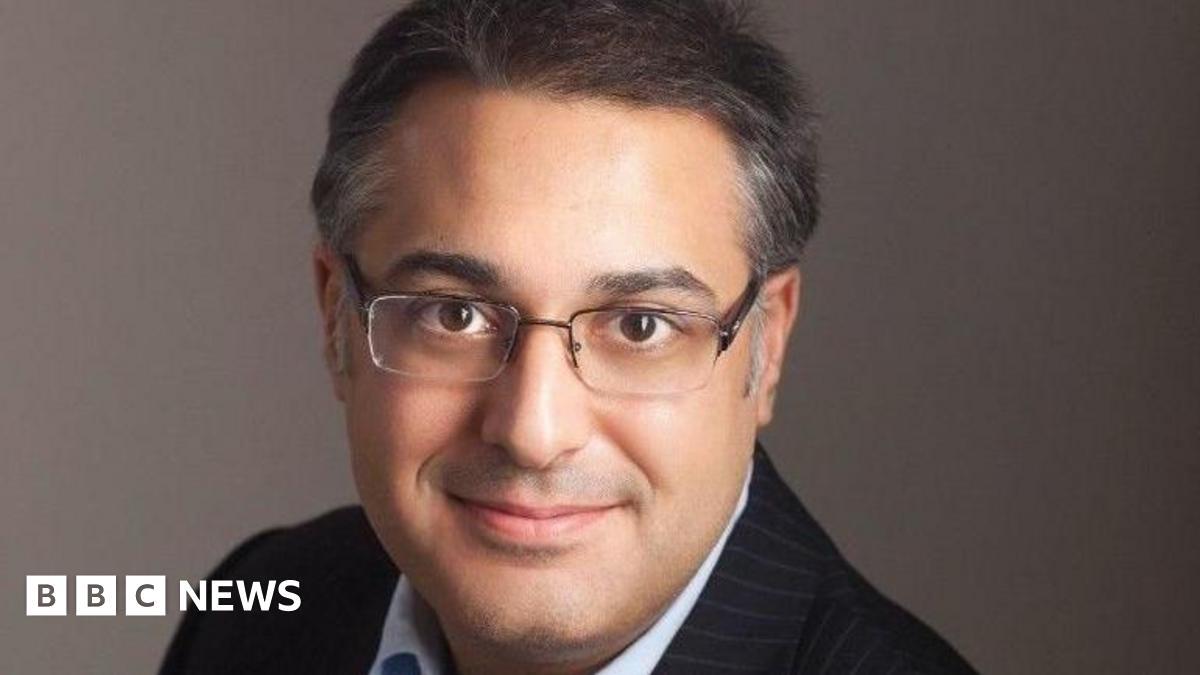
The panel described repeated clinical failings and concluded many operations fell below expected standards, prompting apologies from GOSH and additional reviews by NHS England and the Metropolitan Police. Jabbar is understood to be living abroad and no longer holds a UK licence to practise.
Harmed patients review
A review categorised the 94 harmed patients by severity: 36 were judged to have suffered severe harm, 39 moderate harm and 19 mild harm across a range of physical and psychological outcomes. Reports include severe cases such as delayed diagnoses, failed surgeries, at least one later amputation, legs reportedly up to 20cm different in length, chronic pain, permanent nerve damage including drop foot, and major leg-length discrepancies. Public accounts of individual children—like James Wood, whose frame pin allegedly pierced his thigh and damaged his femoral artery, and Vivaan Sharma, whose family say he was left limping after leg-lengthening surgery—feature prominently in media coverage.
Clinical practice failings
A review catalogued a wide range of clinical failings in Jabbar’s practice. Errors included poor surgical planning, premature removal of fixation devices, and unclear or incomplete notes. There were also incorrectly positioned implants, bone cuts at the wrong level, and intra-operative decisions that did not match scans.
“The report identified multiple clinical failings — poor surgical planning, premature removal of fixation devices, unclear or incomplete notes, implants positioned incorrectly...”
Reviewers noted unstable constructs and an over-reliance on junior staff. Independent reviewers described the overall approach as highly inconsistent and repeatedly below expected standards. Some outlets reported infections were sometimes managed without involving the wider team.
GOSH apology and reviews
GOSH has apologised and says it has acted on Royal College of Surgeons (RCS) recommendations, including complaints training, bolstering whistleblowing support, mandatory multidisciplinary reviews and arranging referral of complex cases to the national orthopaedic centre. NHS England is reviewing governance and how concerns were handled.
Families and some staff say the hospital’s response is insufficient and accuse the trust of a 'cover‑up' or of 'marking its own homework'. Some parents have called for a police investigation, and the Metropolitan Police says it will review the report to decide whether to investigate.

Complaints and timeline
Questions remain about why earlier complaints and isolated investigations did not trigger a wider response. Several sources say GOSH (Great Ormond Street Hospital) recorded seven complaints and one serious incident between 2017 and 2022.
“Between 2017 and 2022 the hospital recorded seven complaints about him and one serious incident. Those earlier enquiries were investigated (including external review) and closed without identifying a wider pattern...”
Those cases were investigated and closed at the time, but staff say internal warnings were raised earlier and action was not taken. Jabbar took an unpaid sabbatical in October 2022, resigned in June 2023, has not held a UK licence to practise since January 2024, and is reported to be living abroad.