USA17 December, 20253 min read
Susie Wiles Says President Trump Has an 'Alcoholic's Personality' in Explosive Vanity Fair Interview
Wiles said President Trump has an 'alcoholic's personality' despite being teetotal Wiles labeled Vice President J.D. Vance 'a conspiracy theorist'

67 outlets told this the same way.
Outlets did split on Trump Interrupted by Protesters at San Antonio Rally for Ken Paxton →
Wiles profile reactions
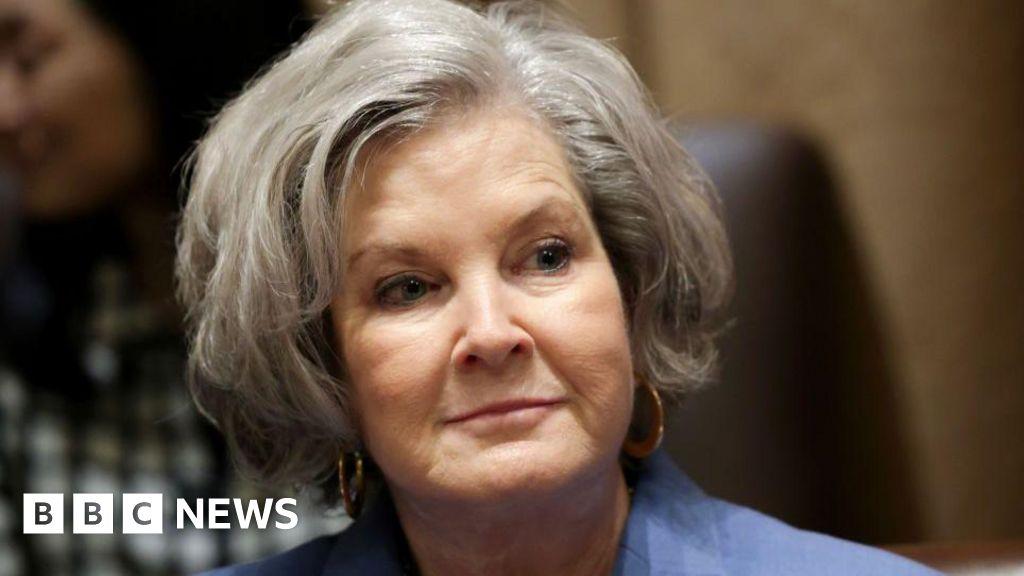
Vanity Fair published an expansive profile by Chris Whipple based on more than a dozen on-the-record interviews with White House chief of staff Susie Wiles that quoted her offering unusually candid and sharply critical assessments of President Donald Trump and senior allies. The piece quotes Wiles saying Trump, though teetotal, "has an 'alcoholic's personality'" and that he "operates [with] a view that there's nothing he can't do," comments the magazine and multiple outlets described as a bombshell that exposed tensions and power dynamics inside the West Wing. Several news organizations summarized the same central lines from the profile and emphasized the rarity of such candid, on-the-record criticism from a sitting chief of staff.
“Wiles characterizes Trump as having ‘an alcoholic’s personality.’”
Reaction to profile coverage
After the profile ran, Wiles publicly pushed back on X, saying the remarks were taken out of context and calling the article a "disingenuously framed hit piece". The White House issued defenses of her. President Trump praised Wiles, downplayed any offense, told the New York Post he wasn't bothered by the phrasing, and joked he'd likely be an alcoholic if he drank.
Outlets noted both the administration's near-instant damage control and Wiles's complaint that the interviews were selectively excerpted. Many reporters framed the dispute as Wiles's claim about the magazine's presentation of her on-the-record comments.

Vanity Fair profile claims
Vanity Fair's profile, beyond comparing someone to an alcoholic, attributed a string of sharp characterizations and policy critiques to Wiles.
“Wiles... called Vice President J.D. Vance a ‘conspiracy theorist’ and said former Florida attorney general Pam Bondi ‘messed up’ handling the Jeffrey Epstein case.”
It quoted her calling Vice President J.D. Vance a longtime "conspiracy theorist," labeling Elon Musk an "odd, odd duck" and alleging ketamine use, and it criticized Pam Bondi's handling of Jeffrey Epstein materials.
The profile also described internal fights over tariffs, deportations and military strikes on suspected traffickers.
Outlets varied in which claims they emphasized - some highlighted personnel adjectives like those about Vance and Musk, others focused on policy implications such as deportations and tariffs, and others emphasized disclosures from the Epstein files.
Several sources reported Wiles saying she personally reviewed Epstein documents and that Trump appears on flight manifests but, as she said, "is not in the file doing anything awful."
Media coverage and framing
Coverage tone and framing differed by source type. Western mainstream outlets (CNN, BBC, PBS) treated the piece as significant insider reporting that required follow-up and damage-control context. Western tabloids and celebrity-focused outlets (Vanity Fair's profile itself, TheWrap, New York Post) foregrounded dramatic language and immediate reactions.
Western alternative and opinion outlets (The Daily Beast, Salon, The New Republic) highlighted investigative angles and contested reporting elements such as audio or drug allegations. Asian and West Asian outlets (Times of India, Khaleej Times, Al Jazeera, The Korea Times) emphasized international optics and the novelty of such frank on-the-record criticism from a chief of staff.

These differences reflect editorial priorities: news-first context, sensational phrasing, or investigative skepticism. Still, all outlets reported Wiles' quotes as the primary source material.
Context and verification dispute
What remains unsettled in public reporting is context and verification. Wiles and the White House say the article omitted context and misframed her remarks, Vanity Fair stands by its interviews, and multiple outlets noted both the magazine's reporting and Wiles's rebuttal.
“Vanity Fair published a piece quoting Trump adviser Susie Wiles on a remark she later denied; reporters played an audio tape in which she could be heard.”
Reporters also flagged claims that require separate verification, for example assertions about Elon Musk's drug use or some details of how Epstein-era documents were handled, and noted where Wiles's attributions are her recollection or interpretation. In short, coverage converges on the key quoted lines from the Vanity Fair profile but diverges in emphasis, and important factual questions raised in the interviews remain to be corroborated independently.