Europe05 May, 20267 min read
Sweden Launches New Foreign Intelligence Service UND After Ukraine War Security Shift
Sweden will create a civilian foreign intelligence service named UND reporting directly to the government. The agency is set to start operations in January 2027.
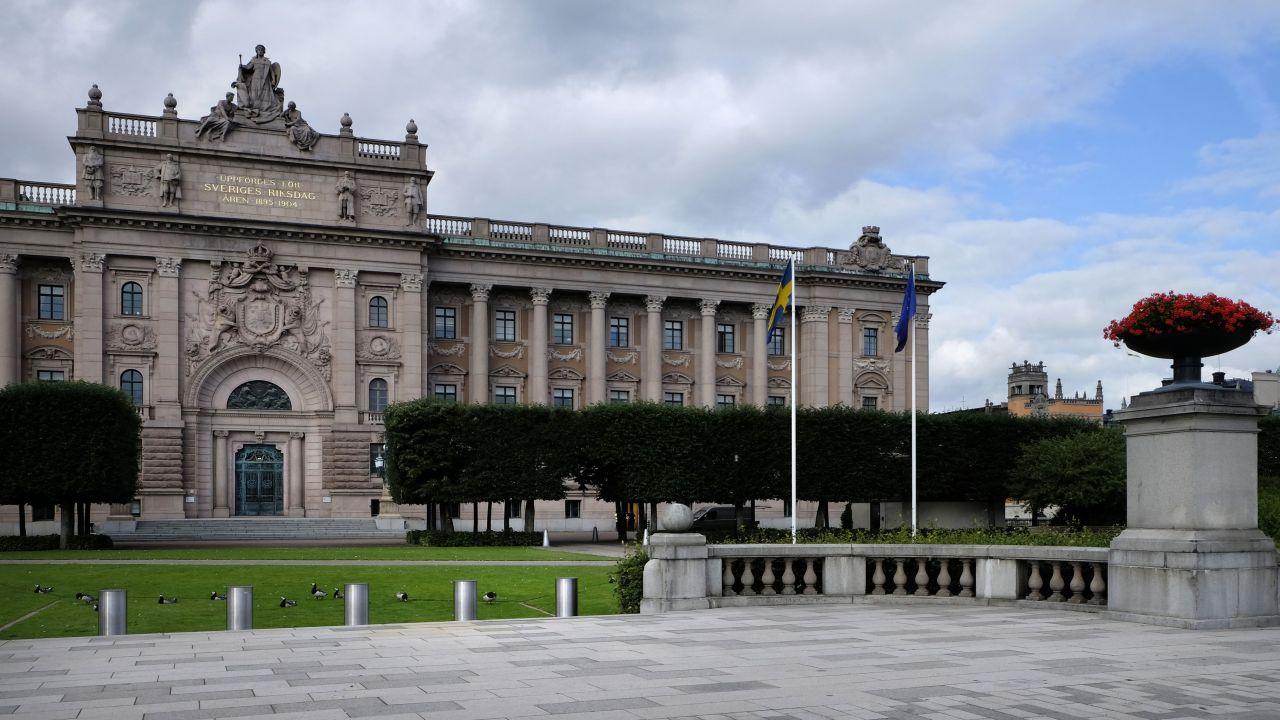
Sweden’s intelligence reset
Sweden is moving ahead with plans to establish a new foreign intelligence agency as part of a broader security shift driven by the war in Ukraine, with the initiative framed as a response to past failures to anticipate Russia’s 2022 invasion. Foreign Minister Maria Malmer Stenergard said the proposed service, to be called the foreign intelligence service (UND), is expected to begin operations in January 2027. Stenergard told reporters, "As is well known, we have a serious security situation and we face a broad and complex threat picture every day, and this places new and increased demands on our capabilities," and she linked the change to Sweden’s role as a NATO ally.
She added, "We also have new expectations of ourselves as a NATO ally, and as we now develop our intelligence structure, we will also better match the structures that exist within NATO and among our allies." The plan is described as creating a civilian agency for foreign intelligence reporting directly to the government, and it was proposed in a public investigation with an initial go-ahead in 2025. The new body is expected to take over some responsibilities currently held by Sweden’s Military Intelligence and Security Service (MUST) and to coordinate closely with the armed forces, Säpo, and the National Defence Radio Establishment (FRA).
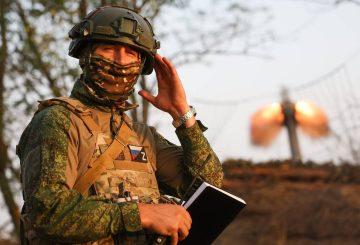
Multiple outlets tie the reform to criticism that MUST did not foresee a full-fledged Russian invasion of Ukraine despite warning signs, and the Straits Times reports the government’s decision date as May 5. In parallel, the European Conservative and StratNews Global both describe the UND as a structural “reset” prompted by the Ukraine war, with the European Conservative stating that Sweden abandoned more than 200 years of military non-alignment and joined NATO after the start of the war.
Cost, timeline, and mandates
Beyond the political rationale, the sources lay out a detailed blueprint for how the UND would be funded, when it would start, and what it would do. Reuters-linked reporting in TVP World and StratNews Global says the new civilian foreign intelligence agency would report directly to the government and would be created after a public investigation and initial approval. Stenergard told a press conference that the cost of the new agency will be around 2.8 billion crowns, and TVP World adds that the resources would primarily be transferred from the armed forces budget.
StratNews Global similarly states that the agency is expected to begin operations at the turn of the year and that the estimated cost is 2.8 billion Swedish crowns (about $302 million), with funding largely reallocated from the armed forces budget. The Straits Times also reports the cost as around 2.8 billion crowns, giving a Singapore-dollar equivalent of S$385 million, and it says the agency is set to begin work at the turn of the year. In the European Conservative account, officials say the UND will be tasked with identifying external threats to Sweden through the collection, processing, and analysis of intelligence.
The European Conservative further says Sweden already operates multiple intelligence bodies, including MUST for foreign military threats and Säpo for domestic security, and it describes FRA as handling signals intelligence. Across the accounts, the timeline is anchored to the start of operations in January 2027 or “at the turn of the year,” while the cost is consistently described as 2.8 billion crowns and the funding source is consistently described as reallocated from the armed forces budget.
Why the change now
The sources connect the intelligence overhaul to a specific critique: that Sweden’s existing security services failed to predict Russia’s 2022 invasion of Ukraine despite signs of a military build-up. TVP World says the move came after past criticism that security officials failed to predict Russia's 2022 invasion of Ukraine despite signs of a military build-up, and it describes the creation of a new civilian agency for foreign intelligence as a response to that review. StratNews Global similarly states that the decision followed criticism that existing security services failed to anticipate Russia’s 2022 invasion of Ukraine despite clear warning signs.
“During the ongoing war in Ukraine, it has become very clear that an information advantage and the ability to rapidly and continuously adapt various technical systems are just as crucial as advanced weapons systems.”
The Straits Times also ties the plan to the same criticism, stating that MUST “did not foresee a full-fledged Russian invasion of Ukraine,” leading to criticism in an official review and from some politicians. The European Conservative adds that the initiative reflects lessons learned from the ongoing conflict and the growing importance of information capabilities in modern warfare, describing an “information advantage” and the ability to rapidly and continuously adapt technical systems as crucial. In that framing, Stenergard’s remarks emphasize both the threat environment and the need to align Sweden’s intelligence structure with NATO and allied systems.
She told reporters, "During the ongoing war in Ukraine, it has become very clear that an information advantage and the ability to rapidly and continuously adapt various technical systems are just as crucial as advanced weapons systems." The European Conservative also notes that Sweden abandoned more than 200 years of military non-alignment and joined NATO following the start of the war in Ukraine, linking the intelligence reset to a broader strategic shift.
Russia’s pressure and NATO posture
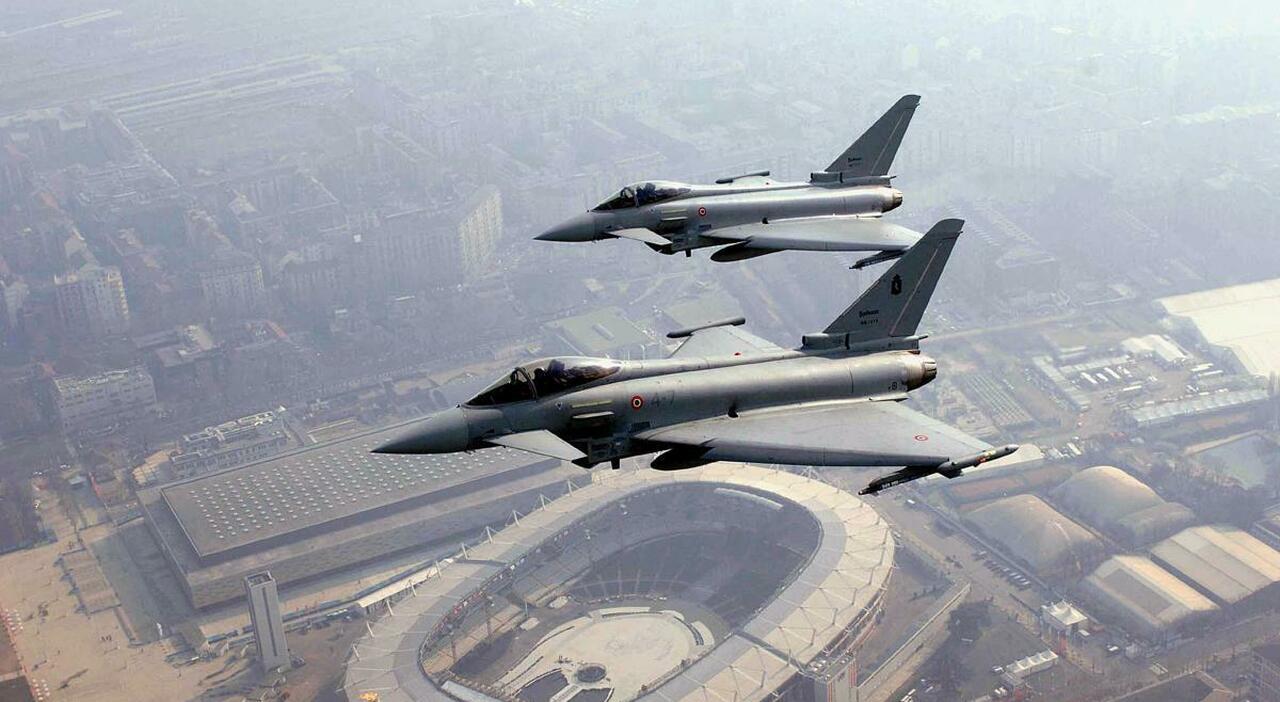
While the intelligence agency plan is the focus, the Europe-related sources also depict a security environment in which Russia’s actions are treated as an ongoing driver of threat assessments and operational readiness. Il Messaggero reports that Poland and Sweden’s NATO fighter jets responded to attacks Russia carried out overnight on Ukrainian soil, describing the Polish Operational Command’s statement that the actions were "preventive in nature and aim to protect airspace and citizens, especially in those areas adjacent to the threatened region." The same report says Russia launched about 600 drones, two hypersonic Kinzhals, 20 cruise missiles, and another nine ballistic missiles, including the KN-23, of North Korean origin, and it states that Ukraine’s air defenses managed to shoot down 563 drones, one of the two Kinzhals, seven ballistic missiles, and 18 cruise missiles.
It also reports that at least 13 people were killed during an attack on a Kyiv residential building, with three victims described as young girls, and that another 48 people were injured. Separately, La Libre.be quotes Lieutenant General Thomas Nilsson from the Swedish Military Intelligence’s (Must) annual report publication, saying, "Russia has shown itself more willing to take risks in our region" and warning that it could continue. La Libre.be also reports Nilsson’s assessment that Russia constitutes the main threat to Sweden, with intelligence services estimating that this threat will increase by 2030, and it says Nilsson described Russia as strengthening its means in the Baltic Sea region.

In the same La Libre.be account, Nilsson warns against a hastily negotiated ceasefire, saying, "If the war in Ukraine were to end on Russia's terms, and if a ceasefire were followed by an easing of sanctions against Russia, the pace of this strengthening (military, editor's note) would increase." The Ouest-France briefing states that the European Union announced on February 19 wanting to open negotiations on Kyiv’s accession "as soon as possible."
What comes next
The sources describe next steps and the expected operational effects of Sweden’s intelligence overhaul, while also showing how European policy and security decisions are being framed around Ukraine. For the UND, the European Conservative says officials expect the service to begin operations in January 2027 and to be comparable in function to the United Kingdom’s MI6, while it would coordinate with MUST, Säpo, and FRA. TVP World reports that the new agency is set to begin work at the turn of the year and that its civilian structure would report directly to the government, reflecting a shift in Sweden’s intelligence architecture.
“‘If the war in Ukraine were to end on Russia's terms, and if a ceasefire were followed by an easing of sanctions against Russia, the pace of this strengthening (military, editor's note) would increase.”
StratNews Global similarly says the agency is expected to begin operations at the turn of the year, with an estimated cost of 2.8 billion Swedish crowns (about $302 million), and it emphasizes that the goal is to improve coordination while enhancing Sweden’s ability to assess external threats. The Straits Times frames the decision as a response to criticism after Russia’s 2022 invasion, and it states that the cost will be around 2.8 billion crowns (S$385 million), with resources primarily transferred from the armed forces budget. Beyond Sweden’s internal changes, the Europe-related sources also point to ongoing diplomatic and security actions connected to Ukraine.
Ouest-France says the European Union announced on February 19 wanting to open negotiations on Kyiv’s accession "as soon as possible," and it presents a day’s front-line update that includes around a hundred clashes since the start of the day and about a quarter concentrated in the Pokrovsk area, in Donetsk Oblast. La Libre.be adds that Lieutenant General Thomas Nilsson warned that if the war in Ukraine were to end on Russia’s terms and sanctions eased, the pace of Russia’s strengthening would increase.