Europe09 January, 20262 min read
Swiss Demand Accountability From Local Officials After Crans-Montana Bar Fire Kills Teenagers
Fire killed 40 people and injured 116 Co-owner Jacques Moretti detained as potential flight risk, investigated for negligent homicide
21 outlets told this the same way.
Outlets did split on Marco Rubio Urges Europe To Awaken From Slumber In Athens Speech →
Crans-Montana bar fire
A fast-moving fire ripped through Le Constellation, a bar in the Crans-Montana ski resort, in the early hours of New Year’s Day, killing about 40 people—many of them teenagers—and injuring more than 100. Authorities and witnesses say the blaze likely began when sparklers or sparkling candles placed on champagne bottles ignited foam soundproofing on a basement ceiling, producing a rapidly spreading inferno that sent patrons scrambling to escape.
“Eight days after a New Year’s Eve fire at the Le Constellation club in the Crans‑Montana ski resort that killed 40 people (average age 19) and injured 116, Switzerland observed a national day of mourning.”
Reports give similar casualty totals but vary slightly on injury numbers and ages: several outlets cite 40 dead and about 116 injured, while others report up to 119 injured and note victims ranged from their mid-teens to their 30s. The tragedy has prompted criminal probes and widespread public shock as investigators seek to establish the exact sequence of events that turned a festive night into a national calamity.

Venue safety and inspections
Questions quickly turned from cause to oversight after it emerged the venue had missed routine inspections. Local authorities, including Crans‑Montana’s mayor, acknowledged lapses in safety checks.
Multiple outlets reported the bar had not been inspected since 2019, prompting demands for accountability and proposals to transfer fire-safety oversight away from local councils. The lack of recent inspections and the presence of combustible ceiling foam have become central elements in public and legal inquiries as residents and victims’ families seek explanations for a disaster that appears preventable.

Swiss bar owners investigation
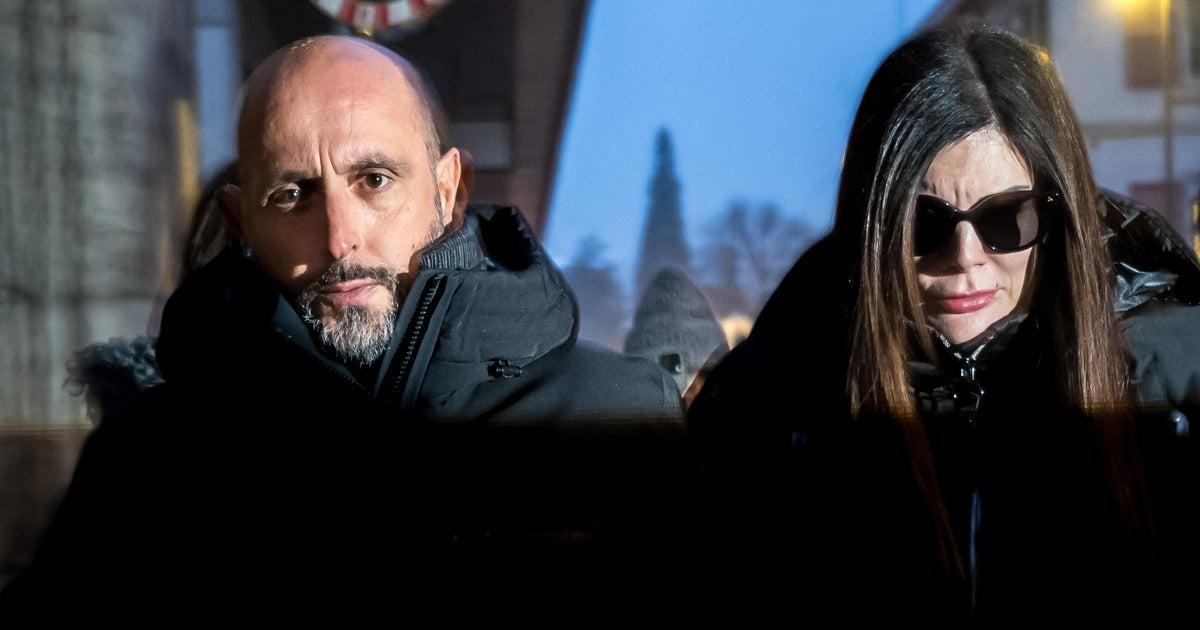
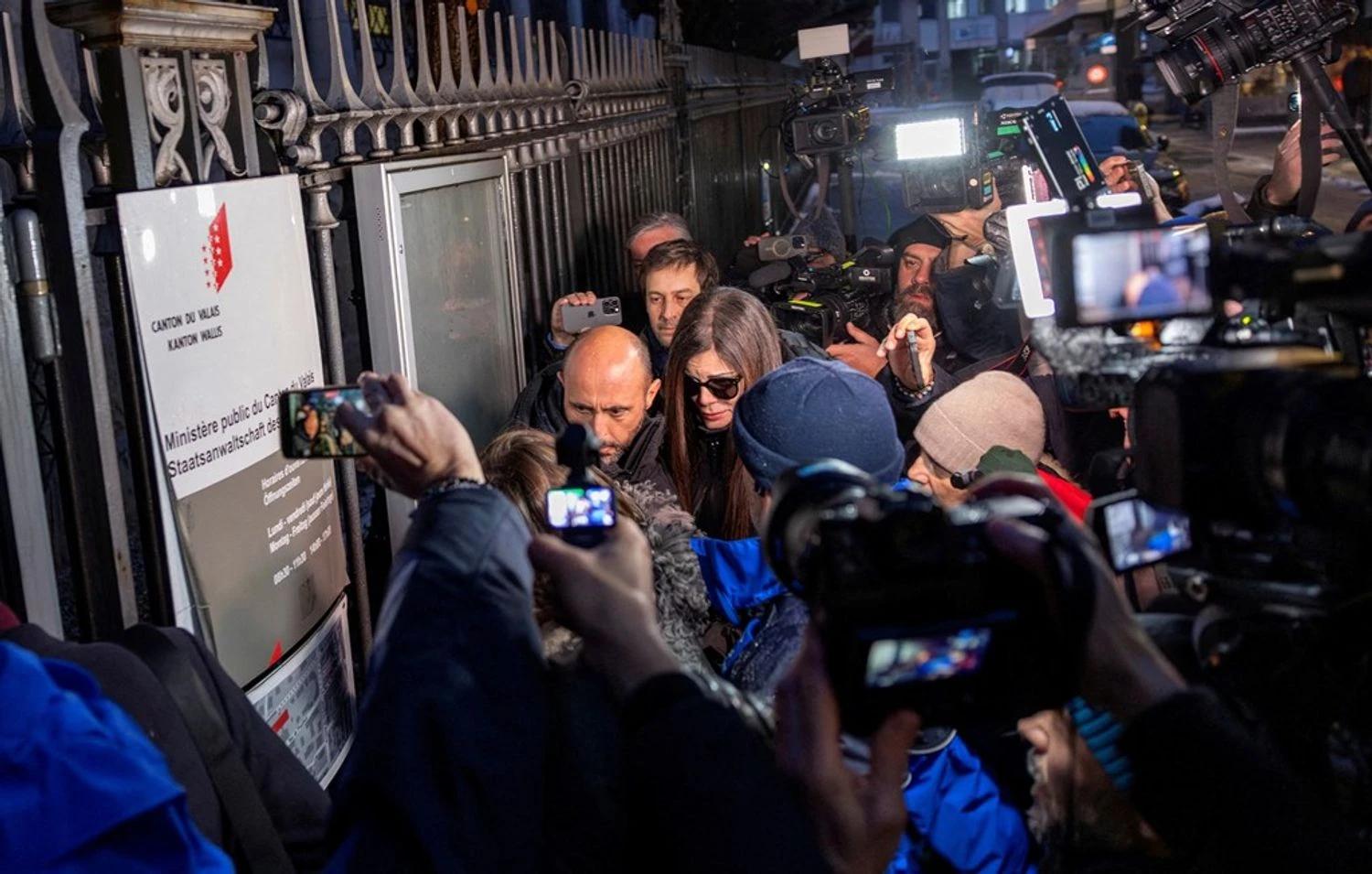
Swiss prosecutors have opened criminal investigations into the bar’s French owners on suspicions that include manslaughter or homicide by negligence, negligent bodily harm and negligent arson. Jacques Moretti, one of the co‑owners, has been detained or held in custody amid concerns he might flee.
“Co‑owner Jacques Moretti was arrested after a six‑hour hearing and held in custody as prosecutors cited a flight risk.”
His wife and co‑owner Jessica has been released under judicial supervision or house arrest depending on the outlet, with both questioned by investigators. Victims’ families have filed legal complaints and prosecutors are weighing pre‑trial detention requests as courts consider whether to formally remand the suspects, reflecting differing judicial steps reported across sources.
Blaze aftermath and reactions
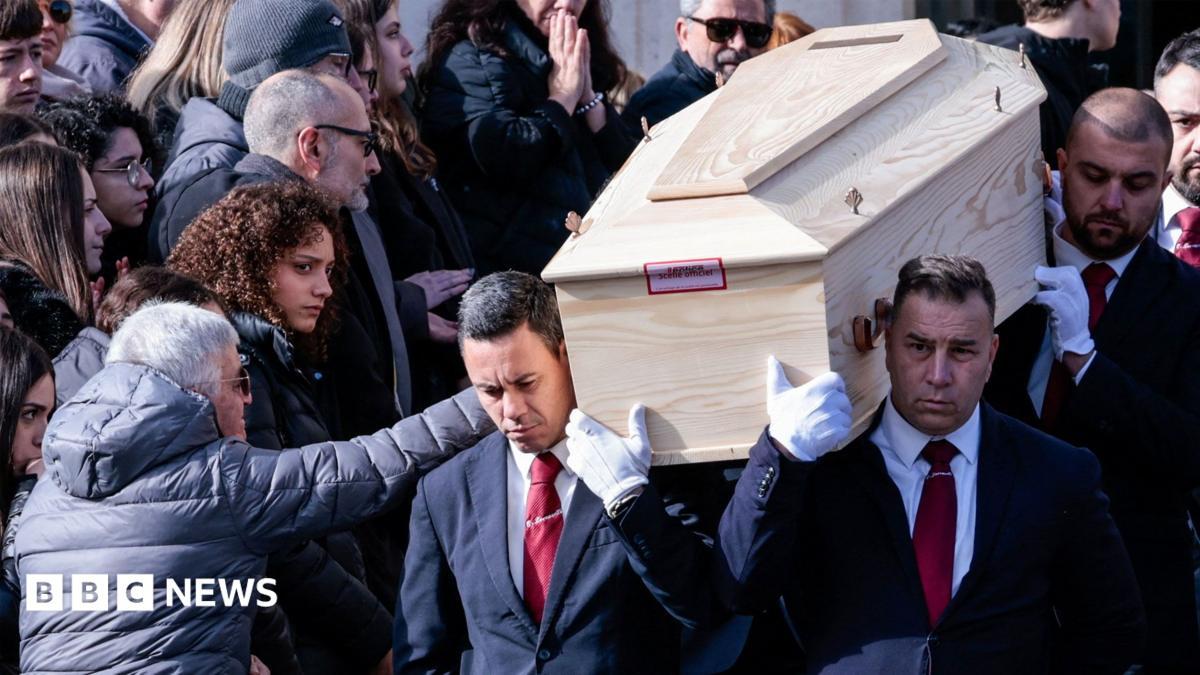
Switzerland observed a national day of mourning after the blaze, with memorials and an official ceremony in Martigny attended by senior leaders from affected countries including France and Italy. Politicians demanded accountability, and President Guy Parmelin urged the justice system to identify failures and impose consequences.
Many mourners praised first responders and described the scene as a community in shock. Coverage differs in tone, with some outlets emphasizing national soul-searching about safety standards and Switzerland's reputation, while others focus on dignified mourning and calls for prompt justice.
Media coverage and allegations
Beyond official mourning and criminal probes, media coverage diverges on allegations and ancillary claims. Tabloid and local reports have circulated unverified accusations such as staff fleeing with cash, locked emergency exits, or prior criminal records for the owner. Mainstream outlets concentrate on formal investigations, legal filings by victims’ families, and possible regulatory reforms.
“Victim lawyers allege staff fled with cash, that emergency exits may have been locked, and that social‑media accounts were suspended during rescue efforts; the Morettis deny criminal or civil wrongdoing.”
Prosecutors have received complaints from bereaved relatives and are pursuing questions about negligence. Several sensational claims, however, remain reported as allegations rather than established facts in more cautious outlets.