Syria07 January, 20263 min read
Syria Bombs Kurdish Neighborhoods in Aleppo
Syrian government forces shelled Kurdish-majority Sheikh Maqsoud and Ashrafiyah districts Clashes killed multiple civilians and soldiers, displacing tens of thousands
42 outlets told this the same way.
Outlets did split on France Suspends Police Stun Grenades at High School Protests After 15-Year-Old Loses Hand →
Aleppo fighting and evacuations
On Jan. 6–8, heavy fighting erupted in Aleppo after the Syrian army declared the predominantly Kurdish neighborhoods of Sheikh Maqsoud and al‑Ashrafiyah closed military zones.
“Aleppo’s Directorate of Social Affairs and Labor said more than 46,000 people have been displaced across the province.”
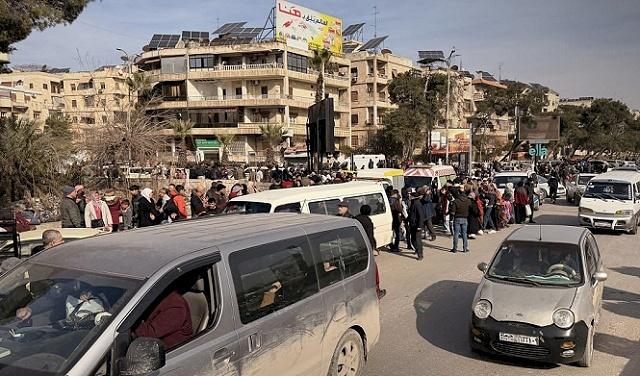
The army imposed a 3 p.m. curfew and ordered evacuations, and state authorities said they opened humanitarian corridors and organized bus evacuations.
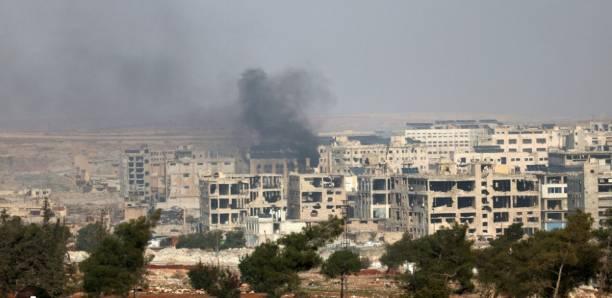
Explosions and shelling were reported as tens of thousands fled.
Multiple outlets described the immediate measures similarly: Al Jazeera said 'military tension flared' and noted the 3 p.m. curfew.
WSLS and Fox 59 reported the government ordered civilians to evacuate and that more than 46,000 people were displaced, while The Jerusalem Post said authorities opened humanitarian corridors and evacuated civilians by city buses.
Casualty and displacement reports
Reports vary on casualties and the scale of displacement; initial tallies and hospital reports differ across outlets, with some counting a handful of deaths and others reporting higher tolls and many wounded. WHEC and Fox 59 cite displacement figures of "more than 46,000" and describe dozens wounded. WHEC also reports that clashes and shelling killed at least 12 people—seven in areas held by the Syrian Democratic Forces and five in government-held areas—and wounded dozens.
State media cited by ABC News and EconoTimes put lower immediate military and civilian death figures, with SANA reporting at least four dead in one account and state TV blaming SDF shelling for three civilian deaths in another. The discrepancy reflects rapidly changing counts and competing claims tied to immediate reporting from front lines and state sources.
Competing claims in Syria
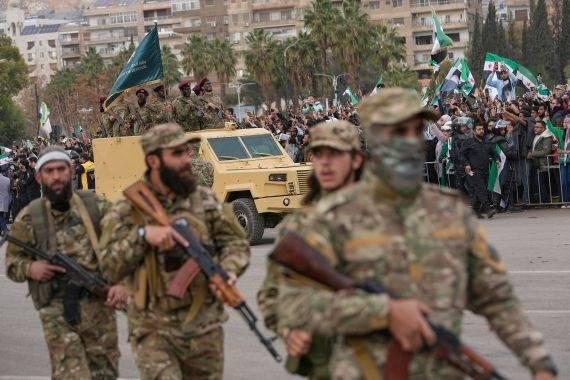
Damascus and state media accuse the Kurdish-led Syrian Democratic Forces (SDF) of launching rockets, drones and mortar attacks from Kurdish-held areas. The army and state outlets say they will treat SDF positions there as legitimate military targets. Kurdish leaders and SDF officials deny initiating large-scale assaults and accuse government forces of besieging and shelling civilian districts and committing atrocities.
Kurdish figures such as Ilham Ahmed called the operation a 'genocidal war' and urged dialogue, and multiple outlets quote the SDF as vowing to resist. These are contradictory narratives, with state sources framing operations as counter-attacks and security measures while Kurdish sources portray the actions as ethnic targeting and mass displacement.
Syria integration deal fallout
The clashes threaten a fragile political process. Many sources link the flare-up to a stalled March integration deal intended to fold the SDF into Syrian state institutions by the end of 2025. Observers warn the violence could unravel that arrangement and prompt regional reactions.
TRT World and other outlets note the integration agreement and report accusations that the SDF has failed to implement it. The Straits Times and Hürriyet highlight political fallout and international concern, with KRG Prime Minister Masrour Barzani calling the actions "ethnic cleansing" and Turkey signaling possible support for Damascus if asked. Reuters‑citing outlets such as LBCI report Washington mediation efforts, underscoring competing international interests in the confrontation.

Divergent humanitarian coverage
Humanitarian reporting and the tone of coverage diverge across outlets. Kurdish and local outlets highlight immediate shortages, damaged medical response capacity, and alleged attacks on ambulances and rescue teams. State-aligned and some international outlets emphasize security rationales and attribute civilian harm to SDF actions.
Rudaw reports that there is only one functioning ambulance left and that medical supplies are running low. Al-Jazeera Net and Haberler stress mass displacement and the use of mosques as shelters.

State media quoted in multiple outlets stresses efforts to protect civilians and property and says measures target armed groups rather than ethnic communities. The mix of reported facts, direct quotes, and accusations across outlets creates competing pictures of cause, scale, and intent.