Syria Puts Atef Najib on Trial in Damascus for 2011 Crackdown
Key Takeaways
- Atef Najib, former head of political security in Daraa, faces public trial in Damascus.
- Najib attended the hearing in Damascus in person, before victims’ families.
- The case inaugurates Syria's transitional justice, with Assad and allies facing in-absentia trials.
First Assad-Era Trial
Syria opened its first public trial of officials who served under longtime leader Bashar al-Assad, 15 years after the start of the civil war, with proceedings beginning in Damascus on Sunday for Atef Najib, the former head of political security in southern Syria’s Deraa province.
“Syria has begun its first public trial of officials who served under longtime leader Bashar al-Assad, 15 years after the start of the civil war”
Al Jazeera reported that trial proceedings opened in Damascus on Sunday for Najib, who is accused of overseeing a violent crackdown on protesters during the 2011 uprising and faces charges related to “crimes against the Syrian people”, according to Syria’s state-run news agency, SANA.

DW described the session as a preparatory hearing, saying a Syrian court held a preparatory session for a trial of several former officials in President Bashar Assad’s deposed government, with only one defendant physically present in court.
Judge Fakhr al-Din al-Aryan told the court, “Today we begin the first trials of transitional justice in Syria,” as he opened the session, and DW added that the judge said the hearing included “a defendant in custody, present in the dock, as well as defendants who have fled justice.”
France 24 likewise said the first session began in Damascus for Bashar al-Assad and his brother Maher in absentia, alongside an in-person trial for security and military officials including former security official Atif Najib.
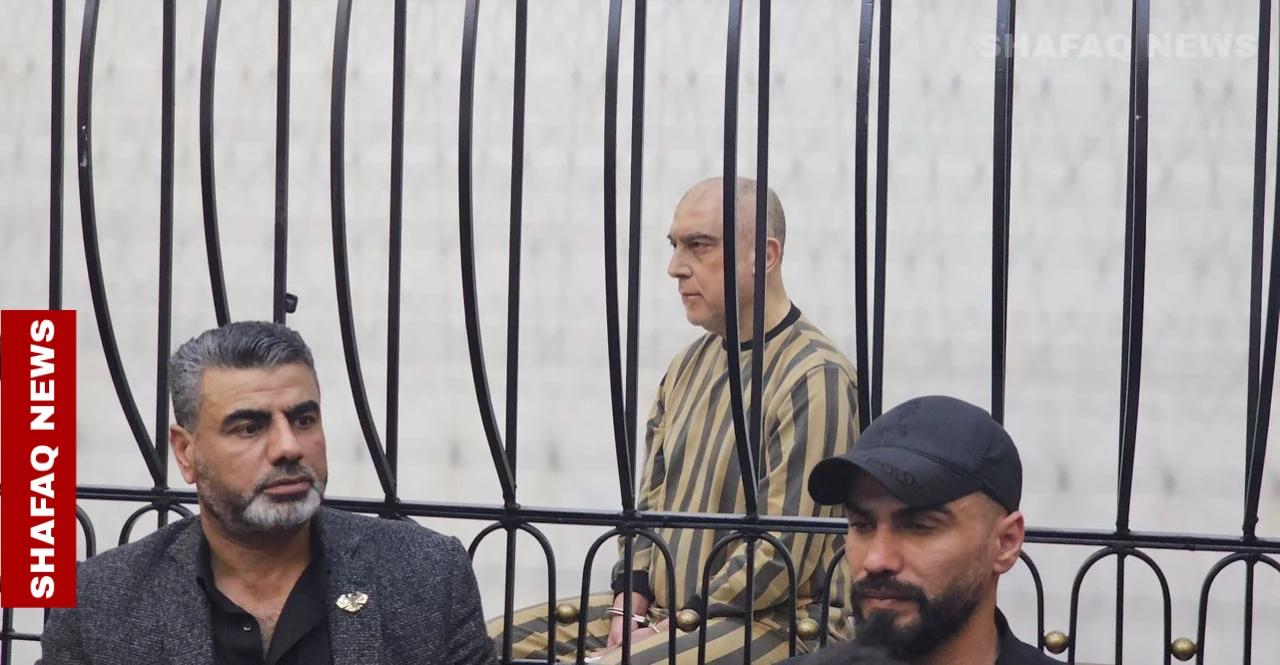
Middle East Eye placed the scene inside the Palace of Justice near al-Hamidiyah souk in central Damascus, describing a cage in the courtroom as Atef Najib was brought in around 11 am on Sunday wearing a brown striped prison uniform.
Multiple outlets reported that Najib was not questioned during Sunday’s brief session, which was dedicated to preparatory administrative and legal procedures, and that another hearing was scheduled for May 10.
How the Case Built
The trial’s opening session was framed as the start of a transitional justice effort after the fall of Bashar al-Assad’s government in December 2024, when Syria’s civil war ended with al-Assad’s overthrow in a lightning rebel offensive, according to Al Jazeera.
Al Jazeera said al-Assad fled to Russia and that most members of his inner circle had also escaped Syria, while DW described Assad and his brother Maher fleeing Syria after more than a decade of civil war.

In the courtroom, the focus on Atef Najib connected the prosecution to the 2011 uprising in Deraa, where Al Jazeera said Najib oversaw political security when teenagers who scrawled antigovernment graffiti on a school wall in Deraa were arrested and tortured.
Los Angeles Times similarly said Najib was in that position in 2011 when teenagers who scrawled antigovernment graffiti on a school wall in Daraa were arrested and tortured, and that the case became a catalyst for mass protests against the repressive policies of Assad’s security forces.
DW reported that Najib was arrested in January 2025 and previously headed Syria’s Political Security Branch in the southern province of Daraa, where the 2011 uprising first erupted and escalated into a 14-year civil war.
Middle East Eye added a specific courtroom symbol from the early uprising, describing a panel bearing the face of Hamza al-Khatib, a 13-year-old boy who became a symbol of the early days of the Syrian uprising, and it said the judge did not question Najib during Sunday’s session, which focused on preparatory administrative and legal procedures.
The prosecution process was also described through the lens of in-absentia legal mechanics, with France 24 citing the Syrian Code of Criminal Procedure and explaining that “the in-absentia path allows the Court of Criminal Proceedings to pursue charges against defendants who are not detained or who have fled.”
Voices in and out of Court
Reactions around the trial were reported as both celebratory and emotionally charged, with crowds gathering outside the courthouse and victims’ families attending the session.
Al Jazeera said crowds gathered outside the court on Sunday in celebration, as families of victims, including some from Deraa, attended the session, and it quoted a spokesman for Syria’s Justice Ministry saying holding the trial in public was important to ensure transparency and judicial independence as part of the transitional justice process.
DW described crowds outside the courthouse to celebrate and jostled for entry to the building waving flags, with police on hand to keep order, and it quoted a judge’s opening statement about transitional justice.
In the courtroom, Middle East Eye reported that emotions ran high as families filed past the dock in front of a crowd of journalists, and it recorded chants including “The martyrs are the heroes. Atef, you are the dog.”
It also quoted Damascus Public Prosecutor Hosam Khatab saying, “Transitional justice begins with him, trust the state and justice,” and Khatab added, “This will be neither the first nor the last. We will pursue them all.”
Los Angeles Times included a plaintiff’s direct remarks, quoting one of the plaintiffs, Ramez Abu Nabbout, saying his brother was killed when security forces opened fire on protesters at Daraa’s Omari Mosque and adding, “He was a civilian and peaceful, but Atef Najib greeted peaceful [protesters] with gunfire,” before saying, “Of course we hope Atef Najib will be quickly convicted and will get the most serious sentence, which is the death penalty.”
Outside the courthouse, Middle East Eye quoted Warda, in her 50s, saying, “This is the most beautiful day of my life. God has put him in a cage. We hope justice will prevail,” as she waited for the bus back to Deraa in southern Syria.
Different Outlets, Different Emphases
While all the reports describe the same Sunday opening in Damascus for Atef Najib and the preparatory nature of the session, they diverge in what they foreground—legal procedure, symbolism, or the broader political narrative around transitional justice.
DW emphasized the court’s structure and scheduling, stating that the judge’s session was dedicated to “preparatory administrative and legal procedures” and that “Another hearing has been scheduled for May 10,” while it also listed additional in-person defendants expected to be tried, including Wassim Assad and former grand mufti Ahmed Badreddin Hassoun.

France 24 foregrounded the dual-track approach, saying the first session began for Bashar al-Assad and Maher in absentia and for an in-person trial for officials including Atif Najib, and it quoted a judicial source describing “the first session of transitional justice proceedings opens with the start of the preparatory process for an in-absentia trial.”
Middle East Eye leaned heavily into courtroom imagery and protest-era references, describing the cage at the Palace of Justice near al-Hamidiyah souk, the panel bearing Hamza al-Khatib’s face, and the chant “Syria is ours, not the Assad family's.”
The Jerusalem Post framed the trial as the first public trial of criminals linked to the former Assad regime after the regime fell on December 8, 2024, and it said the next hearing was scheduled for May 10, while also describing the trial as reflecting “broader interest” with relatives of victims, Arab and international lawyers, and media representatives attending.
Los Angeles Times tied the opening to the 2011 Daraa Omari Mosque protests and included a plaintiff’s call for the death penalty, while it also quoted Baraa Abdulrahman, a spokesperson for the Syrian Ministry of Justice, saying the trial “is of great importance for the independence of the judiciary, for transparency and accountability.”
Anadolu Ajansı centered the presidential message, reporting that Syrian President Ahmad al-Sharaa said justice would remain “a major goal pursued by the state and its institutions to ensure fairness for victims, heal wounds, strengthen civil peace and coexistence,” and it described the Fourth Criminal Court in Damascus holding the first public hearing of Atef Najib.
What Comes Next
The next steps in the transitional justice process were repeatedly tied to the May 10 scheduling and to the broader set of defendants named during Sunday’s session.
DW said the judge did not question Najib in the preparatory session and that another hearing was scheduled for May 10, while France 24 similarly said the judge announced a second trial session on May 10 and described the in-absentia mechanism under the Syrian Code of Criminal Procedure.

Middle East Eye reported that the judge announced a list of 10 suspects to be tried, with the first name cited being Bashar al-Assad and others including his brother Maher al-Assad, Wassim al-Assad, former Grand Mufti Ahmed Badreddin Hassoun, and military and security officials arrested in recent months.
Al Jazeera reported that Najib was the sole defendant in court for Sunday’s preparatory session, with Al-Assad and his brother Maher charged in their absence, and it said along with other former high-ranking security officials they are accused of killings, torture, extortion and drug trafficking.
Los Angeles Times described Najib as the only defendant arrested and present in person in court Sunday for a preparatory session in the trial, which will continue next month, and it said the government of interim President Ahmad al-Sharaa had faced criticism over delays in launching a promised transitional justice process.
Beyond the courtroom schedule, outlets also linked the trial’s opening to other arrests and cases, with Al Jazeera saying that on Friday Syrian authorities arrested former intelligence officer Amjad Yousef, the main suspect accused of the 2013 Tadamon massacre in Damascus, when at least 41 people were killed.
Across the reporting, the stakes were expressed in terms of accountability and the legal framing of crimes, with Middle East Eye noting that the death penalty remains in force in Syria and that crimes against humanity and war crimes have yet to be incorporated into national law.
More on Syria
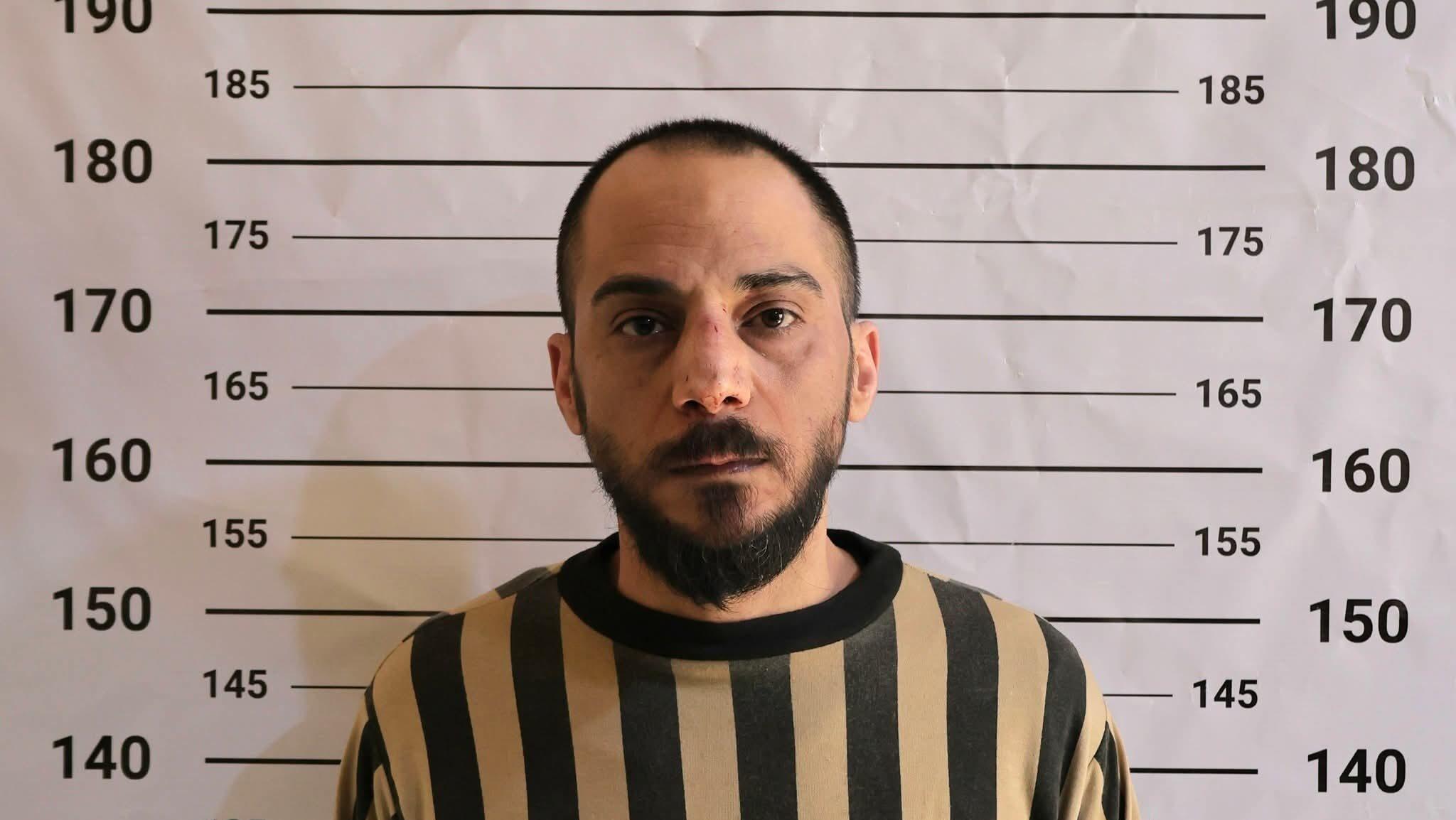
Syrian Authorities Arrest Amjad Yousef, Main Suspect in 2013 Tadamon Massacre
58 sources compared

FBI, House Oversight Committee Probe Deaths and Disappearances of U.S. Nuclear, Aerospace Scientists
13 sources compared

Damascus And SDF Hold Consultations To Implement January Agreement In Hasakeh
11 sources compared

Chemical Leak Kills Two at Catalyst Refiners Plant in Institute, West Virginia
10 sources compared