Syria04 February, 20262 min read
Syria Signs Chevron and Qatar's Power International to Develop Its First Offshore Oil and Gas Field
Syrian Petroleum Company signed an MoU with Chevron and Qatar’s Power International U.S. envoy Tom Barrack attended and called the deal a historic step for Syria’s recovery
13 outlets told this the same way.
Outlets did split on France Suspends Police Stun Grenades at High School Protests After 15-Year-Old Loses Hand →
Syria offshore energy deal
Syria’s state-owned Syrian Petroleum Company (SPC) signed a memorandum of understanding with U.S. energy giant Chevron and Qatar’s Power International Holding to open the country’s first offshore oil and gas field. The deal was announced by Syria’s state news agency SANA and reported widely. The signing was presented as a major step toward reviving Syria’s hydrocarbon sector.
“Syria’s state-owned Syrian Petroleum Company signed a memorandum of understanding in Damascus with U.S. energy giant Chevron and Qatar’s Power International Holding to develop the country’s first offshore oil and gas field.”
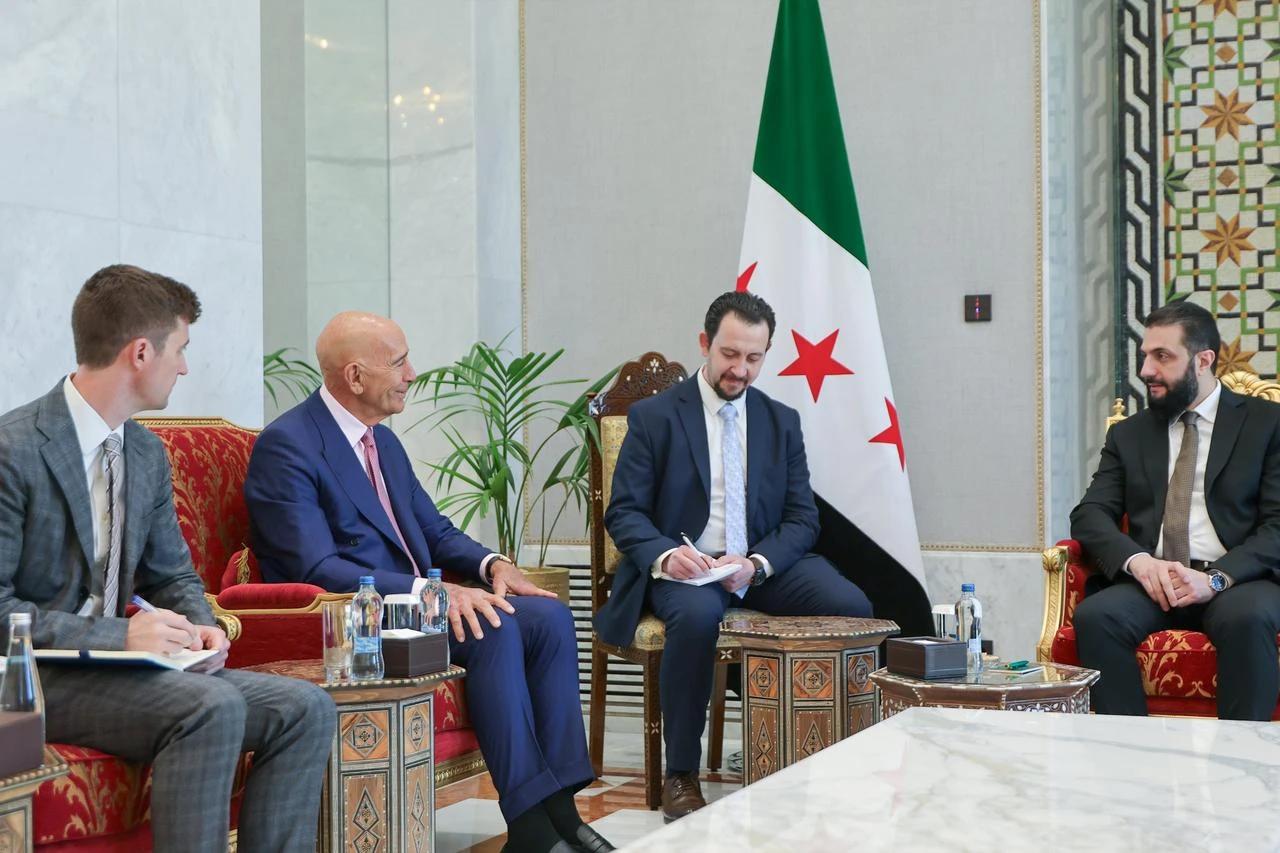
SPC CEO Youssef Kabalawi (also spelled Qablawi in some reports) described the agreement as one of the most important offshore energy deals in the nation. He said mobilisation and drilling could begin "before summer" and that it may take up to four years to reach gas reserves. The ceremony was attended by U.S. special envoy Tom Barrack, whose presence was singled out by multiple outlets.

Syria energy reconstruction context
The agreement is framed against nearly 14–15 years of conflict that severely damaged Syria’s energy infrastructure and economy. Several outlets note that pre-2011 production was substantially higher — roughly 380,000 barrels per day and more than $3 billion in export revenues in 2010.
Reports say the war caused large-scale damage, with some citing a multi-hundred-billion-dollar toll and high human casualties. Analysts and regional reporting emphasize that rebuilding wells, pipelines and other infrastructure will be a central challenge if offshore exploration is to deliver economic benefits.

Media framing of deal
The diplomatic and political framing varies by outlet. U.S. special envoy Tom Barrack attended the signing and was quoted welcoming the deal, and some regional reports portray his presence as part of a broader push for stability and reconstruction. Kurdish-focused and other regional outlets linked the energy agreement to wider political moves, reporting that Barrack tied the deal to a reported comprehensive accord between the Syrian government and the Syrian Democratic Forces (SDF) that would include a ceasefire and institutional arrangements.
“The deal, announced by state news agency SANA in the presence of U.S. special envoy Tom Barrack, covers offshore exploration, development of hydrocarbons in Syria’s territorial waters and broader investment and energy-sector cooperation.”
MoU and investor coverage
Reporting also differs on practical next steps and the investor landscape. Some pieces emphasize immediate technical steps and a timeline toward drilling and reserve access. Other reports focus on the legal and contractual process to convert the MoU into a binding contract and note security challenges.
Anadolu Ajansı reports a team has been tasked with converting the MoU into a binding contract. Anadolu Ajansı quotes SPC saying some wells had been sabotaged before state forces retook them. AL-Monitor adds background on prior offshore attempts and names a different investor involved in reconstruction deals, a detail not repeated elsewhere.

Reporting inconsistencies
There are clear factual inconsistencies across reports that readers should note when assessing the story. These include disagreements about where the MoU was signed, the exact reserve and production figures cited, and how the deal's broader political implications are presented.
“Syria’s state-owned Syrian Petroleum Company signed a memorandum of understanding in Damascus with U.S. energy giant Chevron and Qatar’s Power International Holding to develop the country’s first offshore oil and gas field.”
For instance, most outlets report the signing took place in Damascus, but Anadolu Agency reports the MoU was signed in Istanbul. Reserve and current production numbers vary across sources, and some outlets supply detailed reserve estimates and post-conflict production levels that others do not.
