Syrian And Lebanese Military Officials Meet In Damascus To Discuss Border Issues And Smuggling
Key Takeaways
- Syria and Lebanon held a Damascus meeting on border issues and smuggling.
- Officials agreed to enhance coordination and mutual understanding on border security.
- There is ongoing deployment and coordination to deter cross-border activity and spillover.
Border talks and reinforcements
Syrian and Lebanese military officials met in Damascus to discuss border issues, smuggling, and enhancing coordination as tensions rose across the region.
“The head of the Syrian General Staff, Major General Ali al-Naasan, and a number of officers in the capital Damascus discussed with a delegation from the Lebanese Army led by liaison officer Brigadier General Michel Batros the border issues between the two countries, smuggling, and how to enhance coordination”
The Syrian General Staff head, Major General Ali al-Naasan, met with a Lebanese Army delegation led by liaison officer Brigadier General Michel Batros, according to the Al-Jazeera Net report, which said the talks covered “the border issues between the two countries, smuggling, and how to enhance coordination.”

The official Syrian news agency SANA characterized the meeting as “understanding and cooperation,” and said “during it many topics were discussed, including the Syrian-Lebanese border issue and smuggling, and coordination at all levels.”
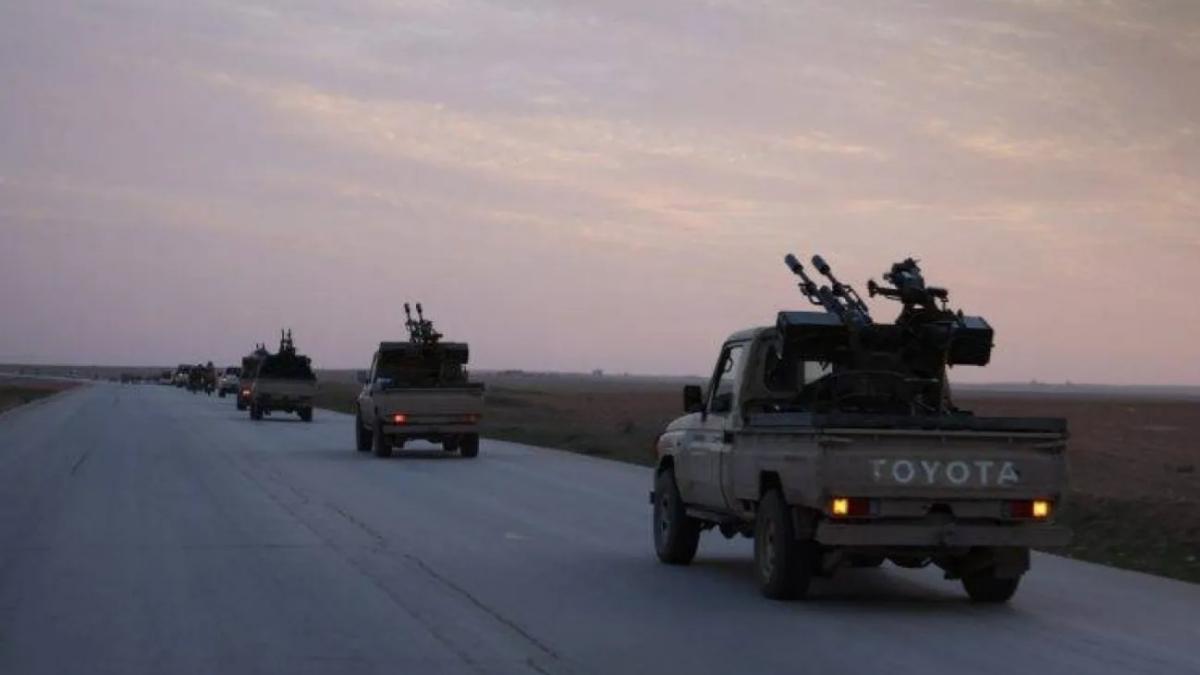
In parallel, SANA reported that the Syrian Arab Army strengthened its presence along the border with Lebanon and Iraq as defensive measures to protect the borders and prevent security spillovers.
The Operations Command of the Syrian Arab Army announced an expansion of unit deployments along the border with Lebanon and Iraq by involving units from the Border Guard and reconnaissance battalions in coordinated field deployment focused on monitoring border activities and combating smuggling.
SANA’s account stressed that the step was “purely defensive and sovereign in nature,” and that Damascus “does not plan any military action against neighboring countries, but is ready to deal with any security threat targeting it.”
The Al-Jazeera Net report linked the timing to regional escalation, saying that with the intensification of Israeli attacks on Lebanon, the Syrian-Lebanese border saw “a large displacement movement estimated at thousands of Syrians and Lebanese heading toward border crossings” in Rif Dimashq, Homs, and Tartus.
Why Damascus says it’s defensive
Syrian officials framed the border build-up as a defensive, sovereign response to smuggling, infiltration attempts, and organized crime, while insisting it was not aimed at any neighboring state.
SANA said the Syrian border with neighboring states had become “the first line of defense,” making border control an “urgent priority amid attempts at infiltration, smuggling, and exploiting gaps.”
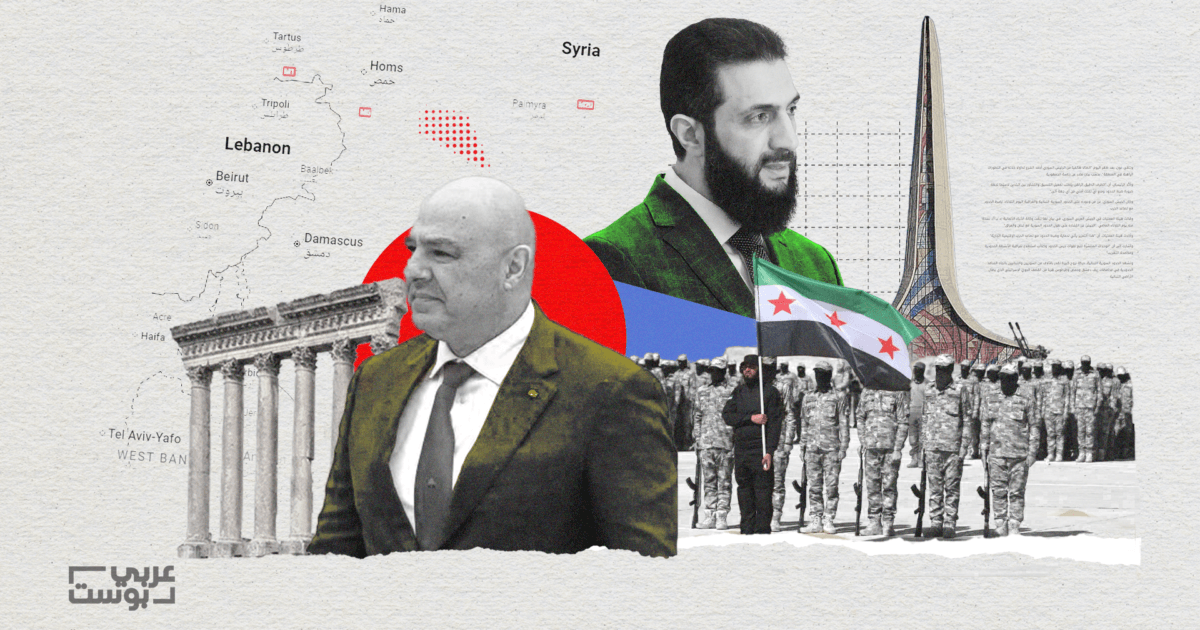
The Operations Command’s deployment, SANA added, relied on reconnaissance and continuous surveillance to detect suspicious activity “before it turns into an actual threat,” and it described the border regions as “areas of stability, not platforms for escalation.”
The Al-Jazeera Net report placed the move within a broader internal security tightening after the overthrow of Bashar al-Assad’s regime on December 8, 2024, describing “intensive efforts to tighten security in the country.”
It also said Damascus reinforced its presence on the border with Lebanon and Iraq during the war waged by the United States and Israel against Iran on February 28 of last year, linking the current posture to a longer escalation cycle.
In a separate report, Al-Quds Al-Arabi quoted a senior official in Syria’s Ministry of Defense saying there was “direct coordination with the Lebanese government” regarding deployments by Syrian Army and Border Guard units along the Syria-Lebanon border.
That same Al-Quds Al-Arabi account said the Media and Communications Directorate at the Syrian Ministry of Defense described the border areas as extending “about 375 kilometers” and the Syria-Iraq border as approaching “600 kilometers,” calling them “security-sensitive.”
It further listed the security challenges as “weapons and ammunition smuggling, drugs and narcotics, and the smuggling of fuel and subsidized goods,” and said organized crime networks exploited informal routes during the era of the former regime.
Reassurances, threats, and counterclaims
While Damascus and Beirut exchanged assurances about the purpose of the border deployments, the reporting also captured sharper warnings from armed actors and competing narratives about incidents near the frontier.
“Tension between the Syrian army and Hezbollah on the Syria–Lebanon border has been running high for days, especially after the Syrian army announced it was expanding its deployment along the border with Lebanon and Iraq to tighten security and prevent the smuggling of weapons and drugs, according to the army’s Operations Directorate at the time”
Al-Hadath’s account of the border posture said Damascus insisted it was “defensive and sovereign in nature,” and that it aimed “to deter any border transgression and to serve both the Lebanese and Syrian internal interests,” with Hassan Abdul Ghani, spokesman for the Syrian Ministry of Defense, telling MTV Lebanon that “coordination between the sides is at the highest levels.”
The same report said Abdul Ghani stressed that “there has been no ground incursion from the Syrian side,” and that “everyone knows Hezbollah's interest is to escalate tensions in the region.”
In parallel, BBC reporting described fears in Damascus that Hezbollah could “drag Syria into the ongoing confrontation between the United States and Israel on one side and Iran on the other,” while also quoting a warning from the so-called Islamic Resistance in Iraq.
That statement warned Syria’s interim president, Ahmad al-Sharq, that any move by the Syrian army toward Lebanese territory “in coordination with Israel and the United States would be tantamount to “a declaration of war on the axis of resistance,” according to the BBC.
The BBC also included the statement’s direct threat: “If you dare to violate the sovereignty of Lebanon and its patient and resistant people, we will make your land an open firing range.”
Separately, Arabicpost.net described a March 10, 2026 incident in which Syrian authorities said shells were fired from Lebanese territory and fell near military deployment points near Sargaya in western rural Damascus, directly near the Lebanese border.
Arabicpost.net said field reports described movements by Hezbollah elements on the opposite side of the border, while Hezbollah claimed the rocket fire was in the context of targeting Israeli helicopters attempting to land in the area to advance toward Lebanese territory in Beqaa.
The report added that Reuters quoted Israeli military sources saying “the Israeli army did not engage in any clashes with Hezbollah in that area, and no airborne operation was recorded,” and it said Syrian authorities confirmed they “did not detect any Israeli military activity of this kind within Syrian territory that night.”
Lebanon seeks clarity; Damascus insists
Lebanon’s leadership sought clarity on the purpose of Syrian border moves, and Syrian officials responded with messages emphasizing non-interference and coordination.
Lebanon’s Prime Minister Nawaf Salam said at a cabinet meeting that he had received a call from Syrian Foreign Minister Asad al-Shaiban, as well as a visit by the Syrian chargé d’affaires in Beirut, and Salam said the Syrian officials confirmed that the border moves were limited to measures to tighten border control and preserve Syrian internal security.
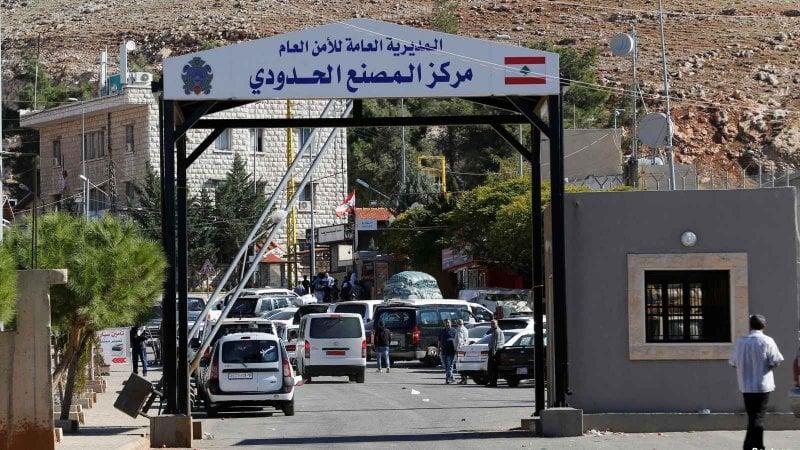
The same report said Salam added that Syria stressed during the talks its commitment to maintaining good relations with Lebanon, while the Lebanese side expressed a desire to build relations based on mutual trust and non-interference in internal affairs.
Lebanon’s President Joseph Aoun also stated that Lebanese–Syrian relations are good and that security and military coordination continues, and the Lebanese army said in a statement that its units had reinforced their presence at the eastern border in coordination with the relevant Syrian authorities.
In parallel, SANA and other Syrian official channels described the border deployments as part of a broader effort to “reassert control over all territory” by accelerating steps to integrate the Kurdish-led SDF into state institutions, while also continuing efforts to stabilize internal security after years of war.
The Al-Jazeera Net report said the meeting between the two countries came “in tandem with notable military moves in Syria,” including Damascus announcing it had taken over all bases of the American forces in the country and the government accelerating procedures to integrate the SDF forces into state institutions.
In the same vein, SANA’s account said the deployment coincided with a political track in which Lebanese President Joseph Aoun said relations between the two countries are good and that security and military coordination continues through joint committees addressing border issues, detainees, and border demarcation.
Al-Quds Al-Arabi’s report similarly described the measure as “purely defensive and organizational in nature,” and said it “does not target any country or party,” framing it as an organizational step aimed at tightening the borders and reinforcing stability.
The reporting also included a direct Syrian denial of offensive measures, with Enab Baladi saying Syria denied any offensive measures against Lebanon and that Hassan Abdul Ghani confirmed the mobilization was “a very normal defensive precaution.”
Regional stakes and next steps
The border posture is being presented by Damascus as part of a wider regional security effort, but the reporting also shows how quickly the situation could become entangled with other conflicts.
“As eyes turn toward Lebanon's southern front, where fighting between Hezbollah and Israel is escalating, another front moves quietly—less noisy but no less sensitive: the eastern border with Syria”
BBC reported that Ahmad al-Sharq backed disarming Hezbollah, with SANA saying al-Sharq stressed the importance of opening “a new page in the relations between Syria and Lebanon,” built on “cooperation and coordination between the two countries in the service of the interests of the two brotherly peoples.”

SANA also said al-Sharq, during a three-way phone call on March 11 with French President Emmanuel Macron and Lebanese President Joseph Aoun, stressed “the importance of opening a new page” and reinforced the defensive posture at the border.
In the BBC account, al-Sharq said in his speech that “We coordinated our unified stance with regional states and reinforced our defensive forces at the border as a precaution to prevent the spillover of the conflict into Syrian territory, to counter cross-border organizations, and to prevent them from using Syrian soil,” referring to Hezbollah in Lebanon.
The BBC also described a warning that any Syrian move in coordination with Israel and the United States would be treated as “a declaration of war on the axis of resistance,” and it included the threat that “we will make your land an open firing range.”
Al-Jazeera Net linked the meeting to broader military moves inside Syria, saying Damascus announced it had taken over all bases of the American forces in the country and that the government was accelerating procedures to integrate the SDF forces into state institutions.
SANA’s border deployment report said the new deployment helps enforce law in areas where smuggling networks and organized crime have been active, and it said the effects extend to Lebanon and Iraq by providing “an anticipatory capacity” through reconnaissance and continuous surveillance.
Al-Quds Al-Arabi’s account added that since liberation, the Syrian state has worked to reorganize border security through specialized military units that “close many illicit routes” and support security coordination to curb smuggling, while also protecting villages and towns along the border.
At the same time, Arabicpost.net described how the border strip from the Syrian Qalamoun to the Lebanese Beqaa has become a focal point, saying coordination aimed to prevent a clash that could open a new front, and it described mutual fears about whether Syrian reinforcements could presage limited operations inside Lebanese territory.
The reporting also included a view that Damascus is watching Israeli movements in Beqaa, with Arabicpost.net saying Syrian government sources believe Israel may broaden military operations in Beqaa through air strikes or limited landings targeting Hezbollah military sites, and that the highlands overlook Syrian territory including the road leading to Damascus.
More on Syria
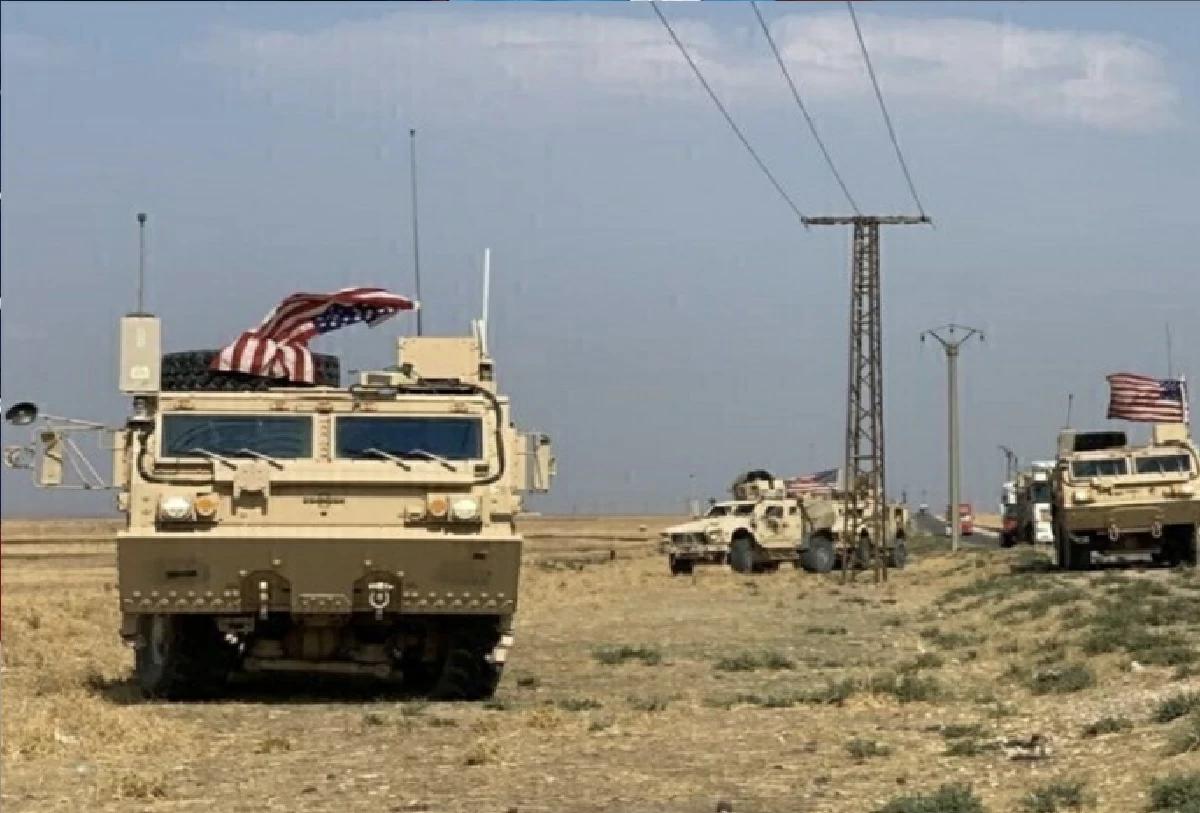
Syria Takes Full Control Of Qasrak Air Base After US Forces Withdraw From Hasakah
29 sources compared

International Court Rejects Sudan's Genocide Case Against United Arab Emirates
11 sources compared
French Court Convicts Lafarge Of Financing ISIS To Keep Syrian Plant Operating
30 sources compared
Hezbollah Denies Syrian Interior Ministry's Accusations of Damascus Assassination Plot
20 sources compared