Syria19 January, 20262 min read
Syrian Arab Army and SDF Resume Fighting Across Northeastern Syria, Flouting Ceasefire
This article is an automated aggregation of coverage from news outlets. Our editorials offer in-depth analysis curated by the NewsCord team.
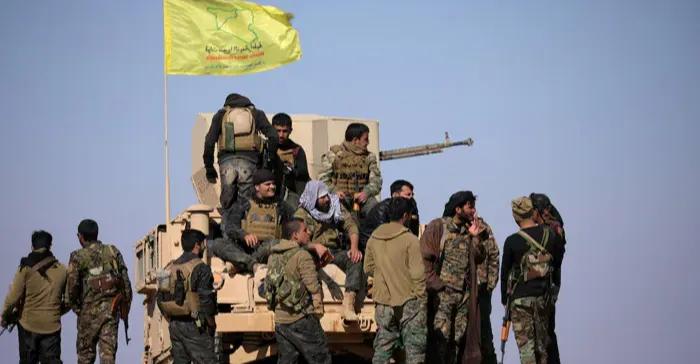
Syrian Arab Army and SDF resumed fighting despite declared ceasefire Clashes concentrated near Al-Aqtan/Taqtan prison in Raqqa province
6 outlets told this the same way.
Outlets did split on Asad Al-Shaibani Meets Saddam Haftar in Benghazi Over Syrian Consulate And Missing Syrians →
Ceasefire and renewed clashes
Fighting has resumed across northeastern Syria despite a recently declared ceasefire, with reports of clashes from both sides of the conflict.
“Factions aligned with the Syrian government have continued attacking Syrian Democratic Forces (SDF) positions in northeastern Syria despite a declared ceasefire, the SDF said Monday.”
The Syrian Democratic Forces (SDF) said pro-government factions continued attacks on SDF positions and warned of heavy fighting around key locations, while other outlets reported that the ceasefire was being implemented even as isolated incidents occurred.

These accounts depict a fragile and contested security situation in areas covered by the Jan. 18 agreement, which sought to transfer administrative authority and halt active hostilities.
Clashes and detention risks
Reported hotspots of the resumed clashes include al-Aqtan/al-Akttan prison in Raqqa, which holds Islamic State/ISIS detainees. Other hotspots include Ain Issa and al-Shaddadi, with separate incidents noted in the al-Jazira region and near the Tishrin Dam. Sources report heavy fighting concentrated near the prison and warn that any attempt to seize facilities holding those detainees would pose serious regional security risks.
Conflicting ceasefire accusations
Each side has issued conflicting claims about who initiated recent attacks. The SDF accuses pro-Damascus factions and government-aligned groups of mounting assaults on SDF positions, while the Syrian army has accused the SDF, PKK-affiliated groups and remnants of the former regime of undermining the ceasefire and has reported casualties among its forces. These mutual accusations complicate verification on the ground and reflect the broader distrust that underpins the ceasefire's fragility.
“The Kurdish-led Syrian Democratic Forces (SDF) accused pro-Damascus factions of attacking SDF positions in Ain Issa, Al-Shaddadi and al-Rakka.”
Deal and clashes in Syria
The Jan. 18 deal was signed between transitional president Ahmad Al-Sharaa and the SDF.
Sources say it would see Syrian state institutions assume administrative authority in Hasakah, Deir ez-Zor and Raqqa, envisage integration of SDF fighters, and transfer services.
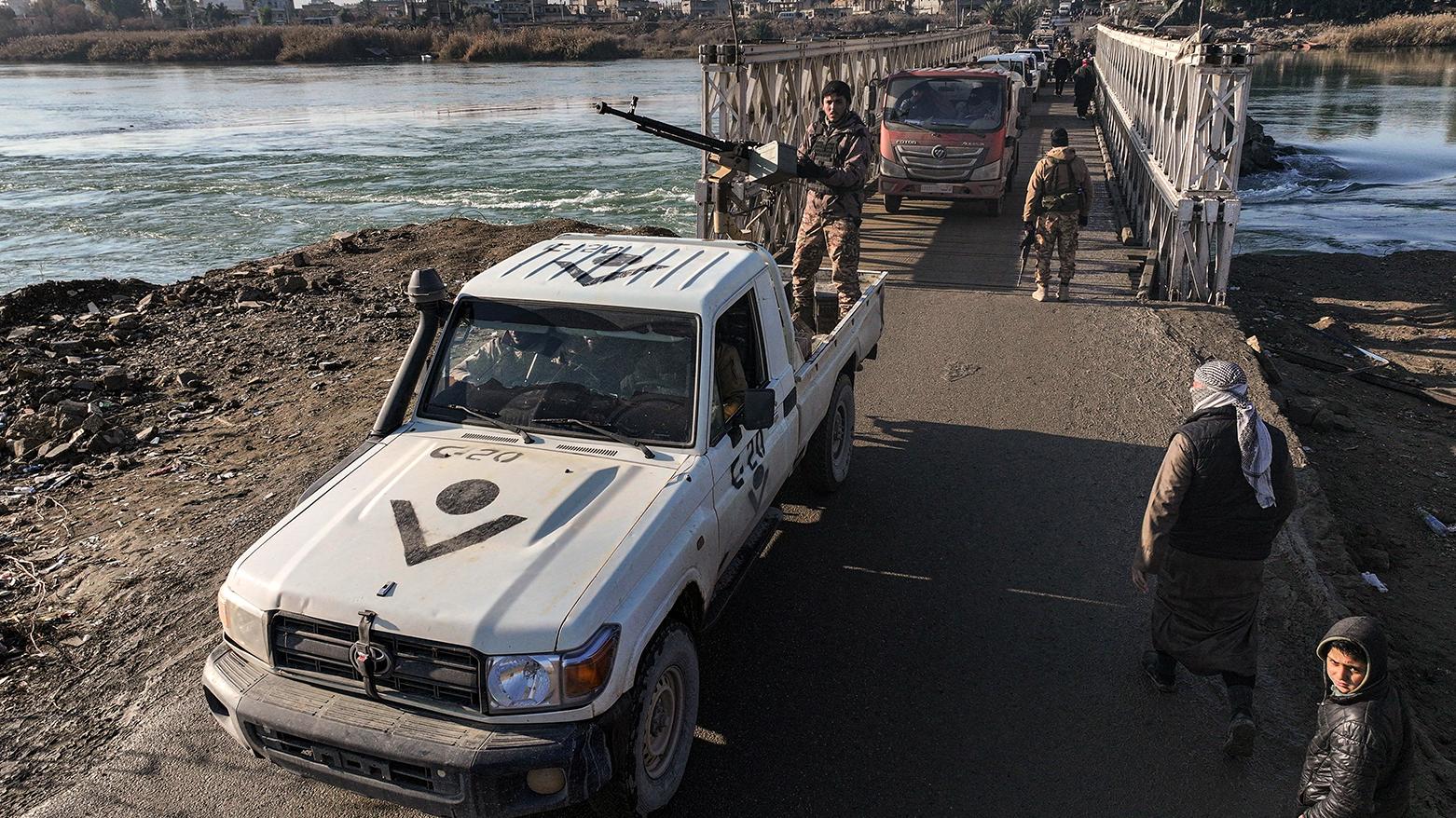
Al Jazeera frames these steps as moving forward under the ceasefire.
Shafaq and blue News emphasize that violations and clashes are already straining the agreement's implementation on the ground.
Media coverage of ceasefire
Differing emphases across outlets reflect source-specific angles and gaps. Some West Asian outlets report both the ceasefire accord and the immediate violations it faces. A local Western outlet focuses on accusations and battlefield details.
“The SDF warned of a serious deterioration in security, reporting heavy fighting around al-Akttan prison, which holds Islamic State detainees.”
Another West Asian outlet highlights institutional progress and integration. The result is a composite picture of a ceasefire whose legal and administrative steps may be advancing in parallel with localized fighting that threatens to undermine the agreement and regional stability.