Syria17 January, 20262 min read
Syrian Army and Government-Allied Tribal Forces Renew Deadly Offensive Across North From Aleppo to Raqqa
Syrian forces and allied tribal fighters seized Tabqa, the Euphrates Dam, and major oilfields. SDF withdrew east of the Euphrates under a US-mediated ceasefire and integration agreement.
56 outlets told this the same way.
Outlets did split on France Suspends Police Stun Grenades at High School Protests After 15-Year-Old Loses Hand →
Syrian offensive toward Raqqa
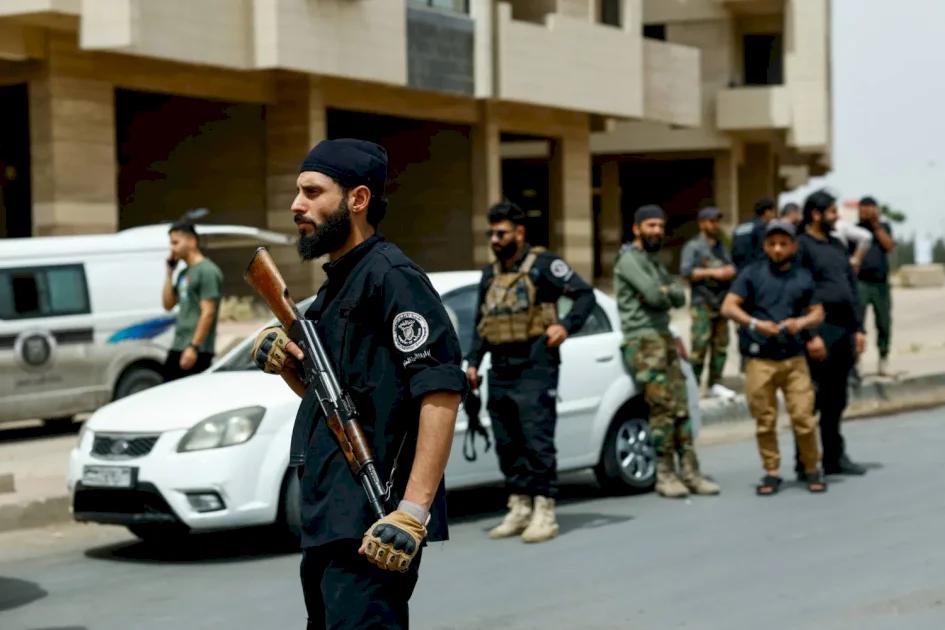
A renewed offensive by Syrian government forces and allied tribal fighters pushed across northern Syria from Aleppo toward Raqqa this week. State media and reporters described rapid advances into towns such as Deir Hafer, Maskanah and the strategic city of Tabqa and its dam. Multiple outlets report Syrian units, including tanks and armored vehicles, entering newly contested areas after Kurdish-led SDF units said they would withdraw east of the Euphrates.
“Fighting in northern Syria has surged, with troop movements across several provinces.”
State television and army statements said troops seized Jarrah air base and cleared explosives, and pro-government crowds were filmed celebrating in some towns. The fighting has been described as part of a wider push to restore central government control over Raqqa and Deir el-Zour and to secure key infrastructure after clashes earlier in Aleppo.

SDF pullback east of Euphrates
Kurdish-led SDF commanders, including Mazloum Abdi, said their forces will pull back east of the Euphrates under mediators' pressure and a March 10 integration framework. Some sources described the move as compliance to avoid a broader war, while others called it a reluctant concession amid battlefield pressure.
Outlets noted Abdi announced a planned redeployment and said international mediators and references to a previously signed agreement were central to the decision. Reports also record SDF accusations that Damascus advanced into areas before a full withdrawal was complete.

Offensive for infrastructure control
Control over strategic infrastructure — Euphrates dams, oil and gas fields and border crossings — is central to the offensive’s aims, and several sources report the government seized oilfields and key facilities around Tabqa and Raqqa. Reports flag immediate security risks, warning the fighting jeopardizes safety in cities that hold large numbers of Islamic State detainees and raising fears of instability around prisons and detention facilities. International actors urged restraint and a ceasefire even as Damascus framed the moves as reclaiming state resources and territory.
“The offensive ... captured Tabqa, the Euphrates dam and key oil and gas fields in Raqqa and Deir az‑Zor...”
Kurdish rights and reactions
The transitional government led by President Ahmed al‑Sharaa issued decrees recognizing Kurdish cultural and linguistic rights, declaring Kurdish a national language and restoring nationality to some Kurds. Many outlets called the move conciliatory, but Kurdish leaders and regional reporting described it as insufficient given stalled integration talks and lingering distrust.
Coverage varied in tone, with some regional outlets framing the decree as a formal concession to facilitate reunification. Kurdish and independent sources stressed it fell short of guarantees on security, political representation and the future of the SDF.

Humanitarian and security impacts
The offensive has produced immediate humanitarian effects. Thousands of civilians fled front-line towns. Health and public institutions temporarily closed in some areas.
“More than 11,000 people fled Deir Hafer and Maskana in recent days.”
Rights groups and reporters flagged risks to detainees and to basic services. Sources report scenes of relief or welcome for government convoys in some towns.

Other footage or claims show breaches, accusations, and continuing clashes elsewhere. The situation remains fluid and contested, with competing narratives about who controls which localities.