Syria20 January, 20262 min read
Syrian Army Attacks Kurdish-Led SDF, Forcing Withdrawal and Enabling Escape of 120 Islamic State Prisoners
This article is an automated aggregation of coverage from news outlets. Our editorials offer in-depth analysis curated by the NewsCord team.
Syrian army attacked SDF positions, prompting SDF withdrawal from a northeastern detention camp Around 120 Islamic State prisoners escaped; about 80 were later recaptured

8 outlets told this the same way.
Outlets did split on Asad Al-Shaibani Meets Saddam Haftar in Benghazi Over Syrian Consulate And Missing Syrians →
Syria clashes and escapes
Syrian government forces and the Kurdish-led Syrian Democratic Forces (SDF) engaged in intensified clashes in northeastern Syria. The clashes prompted SDF guards to withdraw from the al-Hol camp and redeploy closer to population centers. Syrian authorities reported a prison incident in al-Shaddadi in which 120 Islamic State detainees escaped and said 81 were recaptured.
“Guards from the Kurdish-led Syrian Democratic Forces (SDF) withdrew Tuesday from the al-Hol camp in northeast Syria... the AP could not independently verify any escapes and the SDF did not confirm whether anyone fled.”
The SDF withdrawal from al-Hol and the reported escapes occurred amid a fragile deal to integrate the SDF into Syrian security structures and transfer prisons and camps to Damascus. After the breakdown of a handover, fighting flared and a new four-day ceasefire was announced. The exact movement and fate of detainees remain contested and not independently verified in some accounts.

SDF pullback and deal breakdown
The SDF said it pulled back from al-Hol and redeployed forces toward population centers, blaming "international indifference" and a failed handover agreement with Damascus.
Reports emphasize that a collapsed deal to integrate the SDF into Syrian security forces and transfer prison control to the government has become a flashpoint between Damascus and Kurdish authorities.

Prisoner movements in Syria
Damascus and other Syrian authorities reported substantial detainee movement tied to the clashes. Syrian officials said 120 IS members escaped from a prison in Shaddadeh and that 81 were later recaptured.
“Just over 80 escapees were recaptured, and dozens remain unaccounted for.”
The SDF and Damascus also exchanged accusations, including claims that the government cut water to a Raqqa-area prison. The differing official counts and rival accusations underline how contested accounts of the incident are among the directly involved actors.
U.S. and international response
Outlets highlight the international and U.S. angle differently.
U.S. officials said Washington is monitoring the situation, and some reports note U.S. engagement and diplomatic contacts surrounding the escapes.
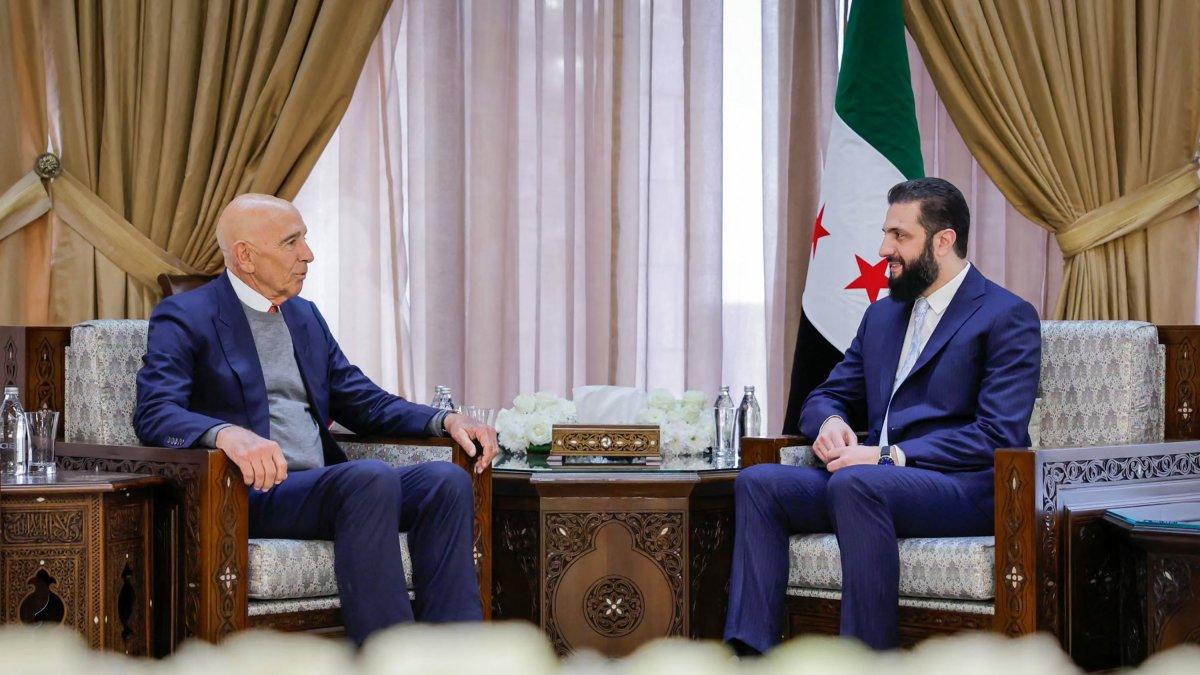
Al Jazeera relayed U.S. Special Envoy Tom Barrack's comment that the SDF's primary anti-ISIS role has 'largely expired' and that Syria joining the Global Coalition could allow Damascus to assume control of detention facilities.
The Washington Examiner reports President Trump spoke with Syrian President Ahmed al‑Sharaa and suggests Washington may now be more aligned with the Syrian transitional government than with the SDF.
Al Jazeera also noted the presence of about 900 U.S. troops in SDF areas.
Concerns from Syrian Kurds about perceived U.S. abandonment of the SDF are a recurring theme in coverage.
IS detention transfer risks
Analysts and reports warn the incident highlights significant security, humanitarian and judicial risks tied to transfers of control over IS detention facilities. Overcrowding, escapes, and unclear custody chains can raise the risk of ISIL resurgence and complicate how suspects are handled.
“Just over 80 escapees were recaptured, and dozens remain unaccounted for.”
At the same time, accounts are inconsistent on key details: the AP could not independently verify escapes and the SDF did not confirm that anyone fled. This ambiguity about the scale and immediate causes of the reported prison break underlines competing narratives between Damascus and Kurdish authorities.