Syria13 January, 20263 min read
Syrian Army Declares Eastern Aleppo Closed Military Zone, Demands Kurdish-Led SDF Withdraw
This article is an automated aggregation of coverage from news outlets. Our editorials offer in-depth analysis curated by the NewsCord team.
Syrian army ordered armed groups in Maskana and Deir Hafer to withdraw east of Euphrates SDF detonated strategic bridges linking Kurdish-held areas to government territory

8 outlets told this the same way.
Outlets did split on Asad Al-Shaibani Meets Saddam Haftar in Benghazi Over Syrian Consulate And Missing Syrians →
Tensions in eastern Aleppo
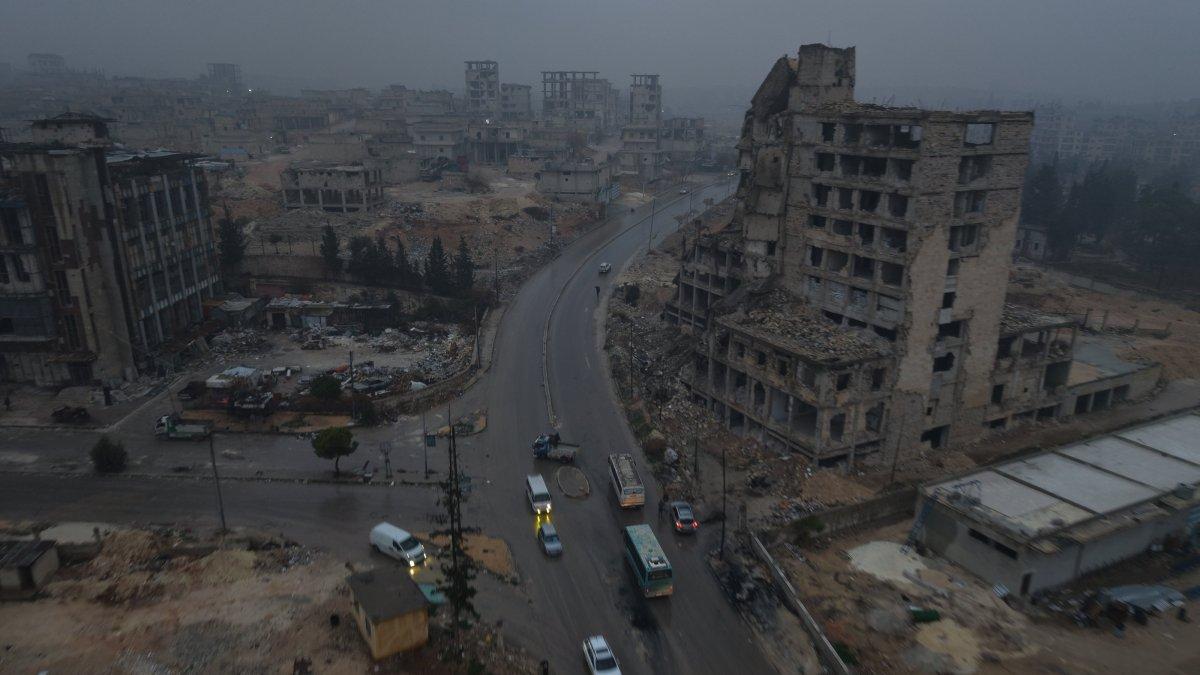
The Syrian army declared a rural area east of Aleppo a "closed military zone", signaling a potential escalation with the Kurdish-led Syrian Democratic Forces (SDF) after several days of clashes in Aleppo city. Al Jazeera reports the declaration and says a military source claimed the SDF destroyed three bridges linking its areas to government-held territory. Other outlets describe government reinforcements, and state media accused the area was being used to launch explosive drones.
“The Syrian army has declared a rural area east of Aleppo a ‘closed military zone’ amid fears of renewed clashes with the Kurdish-led Syrian Democratic Forces (SDF). A military source said the SDF destroyed three bridges linking its areas to government-held territory.”
The SDF has denied responsibility for the drone strike and for some reports of reinforcement movements. Independent reporting cites evacuations and displacement linked to the fighting. These developments have raised fears of renewed confrontation across eastern Aleppo province.

Deir Hafer military reports
Reports differ on the immediate military picture. AL-Monitor recounts that Syrian state TV showed troop movements from near Deir Hafer to the Euphrates and that AFP reporters saw reinforcements including air-defence batteries and artillery. The SDF denied any build-up and accused government forces of attacking Deir Hafer.
Al Jazeera's reporting included claims that bridges had been destroyed, which could affect frontline connectivity and movement. Daily Sabah echoes state media warnings that they 'will not stand idly by' after renewed shelling and provides official casualty and displacement figures that contrast with other accounts and are presented as government figures.

Stalled SDF integration talks
Several sources reference a March or April agreement and stalled talks about integrating the SDF into state forces by the end of 2025. Officials say that agreement has not been honored.
“Renewed fighting in Aleppo and related killings have sparked large protests in the main Kurdish city Qamishli, where a senior Kurdish official, Elham Ahmad, accused Damascus of preparing a full‑scale attack and of breaking a March agreement to integrate Kurdish forces into the state.”
AL-Monitor reports large protests in Qamishli and quotes Kurdish official Elham Ahmad accusing Damascus of preparing a full-scale attack and of breaking the March agreement. United News of Bangladesh and the Daily Sitka Sentinel say negotiations are marked by mistrust, noting the presence of former Turkey-backed fighters in proposed new units and Ankara’s labeling of the SDF as linked to the PKK, which complicates integration.
Casualty and displacement reports
Human costs and displacement are reported unevenly. Daily Sabah cites official figures saying renewed shelling allegedly killed 24 people, wounded about 130, and displaced roughly 165,000 residents from specific Aleppo districts. AL-Monitor, quoting the Britain-based Syrian Observatory for Human Rights, reports about 45 civilians and 60 combatants killed and says Aleppo civil defence teams recovered 50 bodies from two Kurdish-majority neighbourhoods.
The Winnipeg Free Press summarises the event as exchanges of fire that displaced tens of thousands and warned of worsening humanitarian conditions. Differing casualty and displacement figures, and whether they come from government officials, local civil-defence teams, or monitoring groups, create variation in the humanitarian picture.

Media framing of regional risks
Regional and escalation risks are highlighted differently across outlets. AL‑Monitor and Daily Sitka Sentinel stress wider strategic friction, reporting that Ankara praised Damascus’s Aleppo offensive, views the SDF as linked to the PKK, and notes former Turkey‑backed fighters may join proposed new units. These factors increase the risk of clashes between Kurdish groups, the Syrian government and Turkey.
“The violence has heightened tensions between Kurdish groups, the Syrian government and Turkey — Ankara has praised Damascus’s Aleppo offensive and views the SDF as linked to the PKK.”
Daily Sabah frames the situation with a security‑first tone, noting stepped‑up nationwide security efforts and relaying government warnings. Some details, such as Daily Sabah’s reference to an 'ouster of the Assad regime in December 2024', appear only in its account and are not echoed elsewhere, suggesting a differing narrative or a possible factual divergence that is unclear from available extracts.