Syria24 January, 20262 min read
Syrian Army Extends Ceasefire With Kurdish-Led SDF for 15 Days
This article is an automated aggregation of coverage from news outlets. Our editorials offer in-depth analysis curated by the NewsCord team.
Syria announced a 15-day ceasefire extension with the SDF starting Jan 24 at 11 p.m. Extension intended to support U.S. operation moving ISIS detainees from SDF prisons to Iraq.

12 outlets told this the same way.
Outlets did split on France Suspends Police Stun Grenades at High School Protests After 15-Year-Old Loses Hand →
Syria ceasefire extension
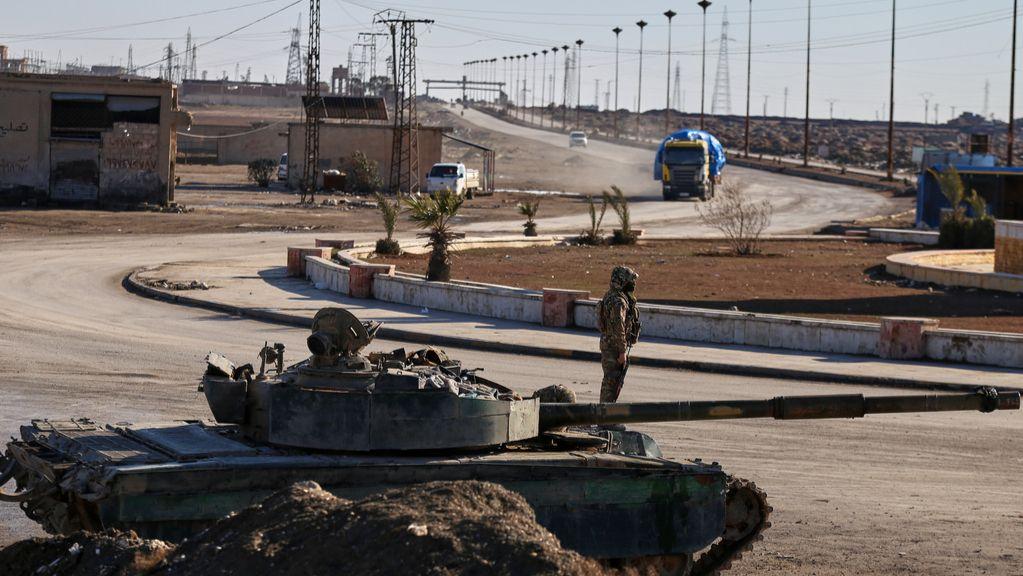
Syria’s defense ministry announced a 15‑day extension to a four‑day ceasefire with the Kurdish-led Syrian Democratic Forces (SDF). Several outlets link the pause to international mediation and U.S. efforts to relocate Islamic State detainees. Reports say the short halt took effect as the initial truce expired late Saturday and was presented by Damascus as necessary to support a U.S.-led operation to transfer detainees to Iraq.
“A four-day ceasefire between the Syrian government and the Kurdish-led Syrian Democratic Forces (SDF) that expired Saturday night has been extended for 15 days.”
The SDF confirmed it would respect the extension while saying talks with Damascus continue. The agreement is described as fragile and intended to buy time to ease local tensions and implement a revised deal.

Ceasefire context and terms
The immediate military context behind the pause included rapid government advances and significant SDF territorial losses over the preceding weeks. Reports say Damascus had given SDF elements a deadline to disarm or to join state security forces.
Outlets report the revised agreement requires SDF members who choose to integrate to do so individually. The SDF warned that observed government reinforcements and buildups risk renewed confrontation even as it pledged to abide by the truce.

IS detainee transfers
Multiple outlets link the extension to a U.S.-led operation to transfer thousands of Islamic State detainees from northeastern Syria to Iraq.
“Syrian government forces and the Kurdish-led Syrian Democratic Forces (SDF) have agreed to extend a four-day ceasefire by 15 days as they assist a U.S. operation to transfer roughly 7,000 Islamic State detainees from northeastern Syria to detention centers in Iraq.”
U.S. and other reports place the total at roughly 7,000 detainees, with about 150 already moved.
Several reports say the halt was announced to facilitate or assist that operation.
The U.S. military and U.S. Central Command are repeatedly cited as conducting or beginning transfers.
Some reports say the pause was timed specifically to support those transfers.
Hasaka security and diplomacy
Security and humanitarian concerns remain prominent in reporting. Several sources say government forces have seized at least two prisons while most IS suspects remain in SDF-run jails. Some outlets report that Damascus has promised humanitarian corridors in Hasaka and accused the SDF of violations.
Observers and the SDF warn that government troop movements and buildup risk renewed fighting even during the pause. Western diplomatic activity, including U.S. and French warnings and shuttle diplomacy, is reported as trying to prevent escalation.
Temporary truce and tensions
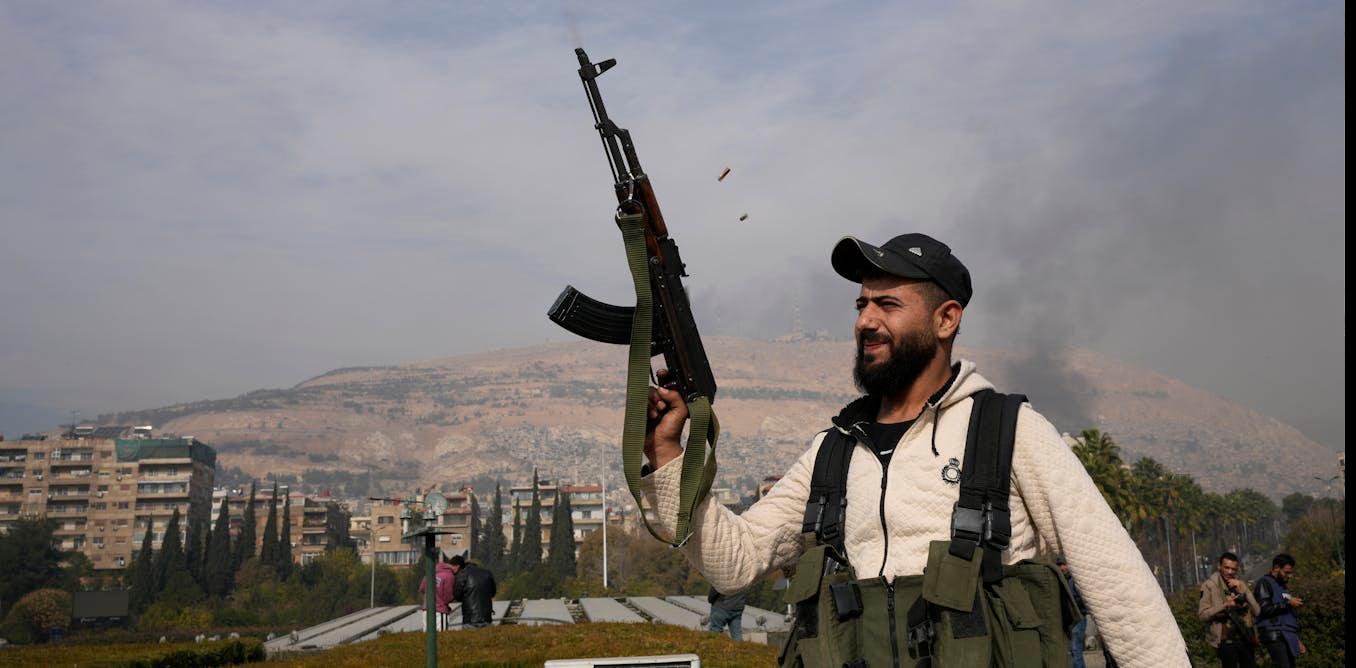
Looking ahead, reporting stresses that the extension is a temporary, fragile pause. Several pieces say international mediation produced the deal and that talks between Damascus and the SDF continue. Others warn that observed Syrian military buildups or stalled integration plans could trigger renewed fighting.
“A fragile ceasefire between the Syrian government and the Kurdish-led Syrian Democratic Forces (SDF) has been extended for 15 days after international mediation.”
Media accounts differ on tone: some cite official Damascus statements presenting the move as a protective, territorial-restoring measure, while others emphasize Kurdish concerns and international warnings. Most agree the truce mainly buys time for detainee transfers and diplomacy rather than resolving core political disputes.