Syria09 January, 20262 min read
Syrian Army Seizes Aleppo’s Sheikh Maksoud After Failed Ceasefire and Days of Deadly Fighting
This article is an automated aggregation of coverage from news outlets. Our editorials offer in-depth analysis curated by the NewsCord team.
Syrian army said it seized Aleppo's Sheikh Maqsoud district after a military operation. A temporary ceasefire and six‑hour withdrawal deadline collapsed when SDF refused to withdraw.
27 outlets told this the same way.
Outlets did split on France Suspends Police Stun Grenades at High School Protests After 15-Year-Old Loses Hand →
Syrian government operation in Aleppo
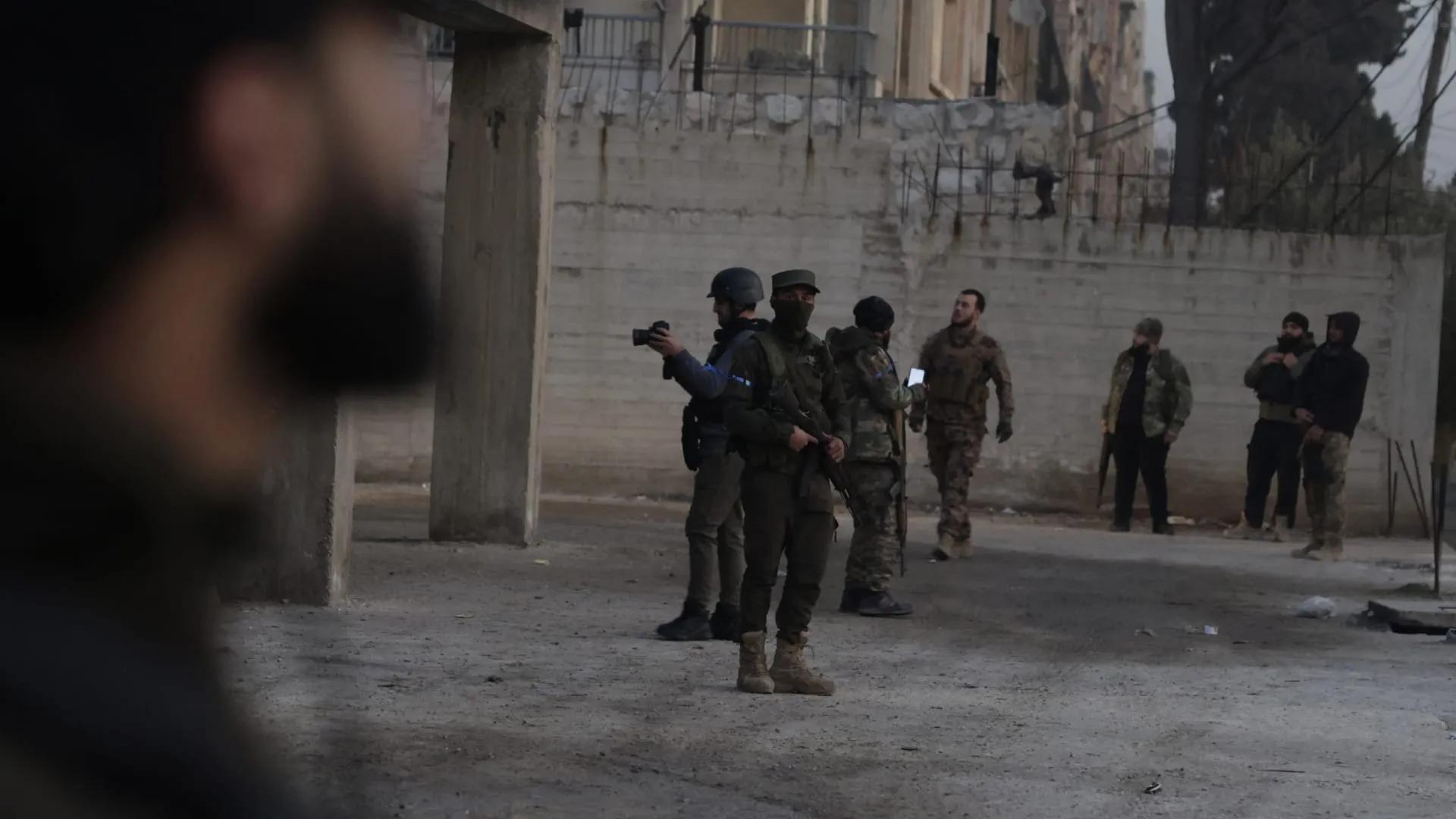
Syrian government forces launched an operation in Aleppo’s Kurdish-held districts after days of intense clashes. A ceasefire failed to hold, and state and international media reported the army swiftly moved to seize Sheikh Maqsoud and nearby neighborhoods. Several outlets said the Defense Ministry announced a truce effective at 03:00 and ordered fighters to withdraw by 09:00.
“Syria’s defence ministry announced a ceasefire Friday for the Aleppo neighbourhoods of Sheikh Maqsud, Ashrafiyeh and Bani Zeid, effective 3:00 a.m., allowing Kurdish SDF fighters a six-hour window until 9:00 a.m. to withdraw eastward to Kurdish-held areas carrying only light weapons.”
After that government units advanced, declared the area a closed military zone, and witnesses and reporters described smoke, artillery and ground assaults across the city. The government framed the move as restoring state authority after deadlines expired and evacuation offers were made. Kurdish sources and local councils said they would defend their districts.

Ceasefire and evacuation terms
Several outlets reported similar ceasefire terms and practical mechanics. The truce was set to begin at 3:00 a.m. and cover Sheikh Maqsoud, Ashrafiyeh/Ashrafieh, and Bani Zeid/Bani Zayd. Fighters were given until 9:00 a.m. to withdraw eastward and were allowed to carry only light or personal weapons.
The army said it would escort departing fighters toward Kurdish-held areas. Journalists and AFP reporters observed preparations for evacuations and army vehicles. Kurdish councils and the SDF publicly rejected the order and vowed to defend the districts instead.

Casualties and displacement reports
Reports differ markedly on casualties and displacement, with state-aligned and some regional outlets giving lower immediate figures while other outlets and local sources report higher tolls and large-scale displacement. Daily Sabah cites government figures of nine killed, 55 wounded and about 165,000 displaced; Roya News reports 21 dead and thousands displaced; Gulf News warns of 'thousands, and possibly tens of thousands' fleeing Kurdish neighbourhoods. Multiple sources describe heavy shelling, damage to residential areas and hospitals, and active clashes that contributed to civilian flight.
“The government said the fighting killed nine, wounded 55 and displaced about 165,000 people.”
Clashes and accusations in Syria
Kurdish security bodies (Asayish) and local councils said they fought back against pro-government forces. They accused those units of heavy shelling and reported strikes on army targets. Syrian state organs and allied media accused Kurdish fighters of attacking evacuation convoys and army positions.
Middle East Monitor cited state media alleging SDF attacks on evacuation buses and casualties among soldiers. Kurdish outlets and Hürriyet relayed Asayish claims of strikes on government forces and damage to civilian infrastructure.

Stalled Kurdish integration talks
Observers place the fighting in a wider context of stalled talks to integrate Kurdish forces into central state structures and broader regional tensions. The government frames its actions as enforcing integration agreements. Kurdish groups reject those moves.
“The government says it has captured Ashrafieh and Bani Zeid and framed the operation as restoring state authority under prior integration agreements after talks to fold Kurdish units into the Syrian army failed.”
International actors have either expressed concern or welcomed pauses. Hürriyet reports the clashes followed a limited army operation and a breakdown in talks over integrating SDF forces.

Gulf News and other outlets point to continuing US-backed security discussions. Analysts warn the operation could have serious consequences for civilians and for stability in northern Syria.