Syria11 January, 20262 min read
Syrian Army Seizes Sheikh Maqsoud in Aleppo, Forces Tens of Thousands of Kurds to Flee
This article is an automated aggregation of coverage from news outlets. Our editorials offer in-depth analysis curated by the NewsCord team.
Syrian government forces seized control of Sheikh Maqsoud and Ashrafiyah in Aleppo Hundreds of SDF fighters were evacuated or bused to Kurdish-held northeastern Syria
44 outlets told this the same way.
Outlets did split on France Suspends Police Stun Grenades at High School Protests After 15-Year-Old Loses Hand →
Sheikh Maqsoud ceasefire and evacuations
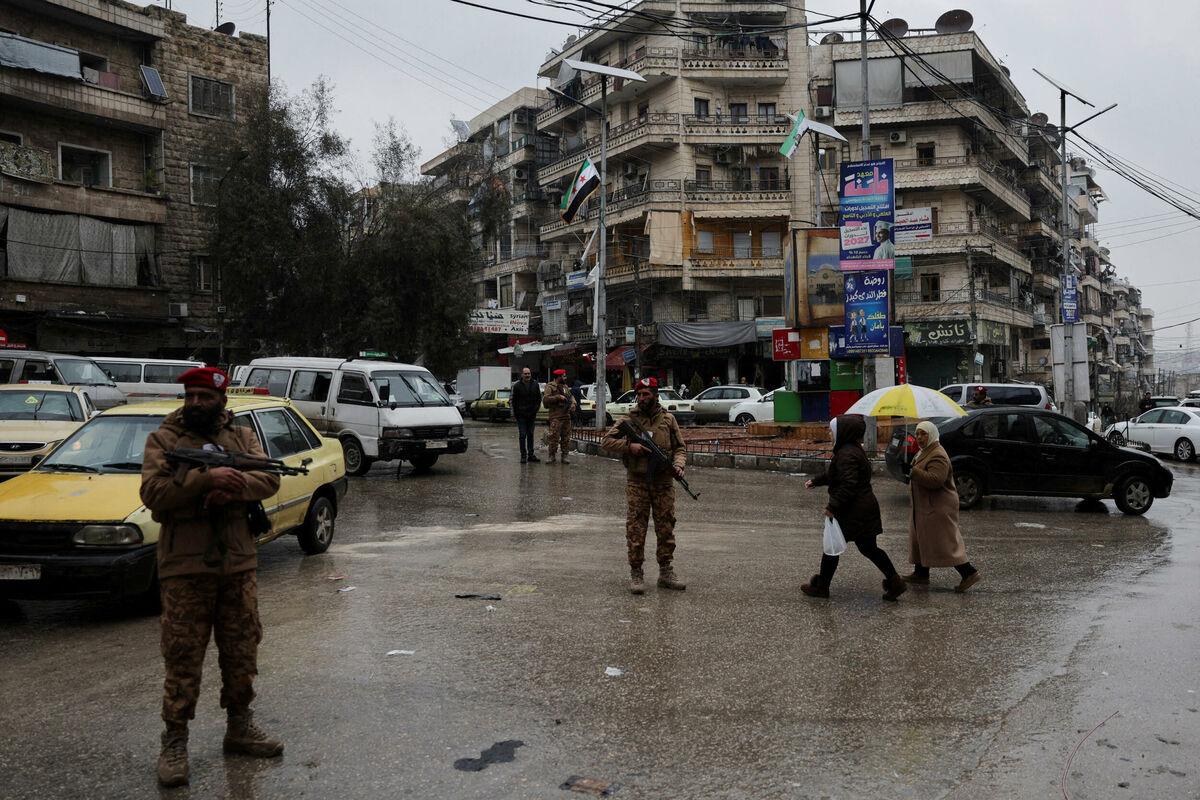
Syrian government forces moved into the predominantly Kurdish Sheikh Maqsoud neighbourhood in Aleppo after days of heavy clashes, and state outlets reported that the army had "completed operations" and that Kurdish fighters had been evacuated by bus under a mediated ceasefire. Several outlets said buses carried fighters, civilians, the wounded and the dead to northern and eastern Syria, and SDF commander Mazloum Abdi described an internationally mediated understanding that produced a ceasefire and evacuations. While state media and some reporters showed footage of calm and residents returning, Kurdish and SDF-linked sources disputed Damascus's control claims and described parts of the movement as forced displacement or contested evacuations.
“Syrian government forces, whose leader Hossam al-Sharaa has recently been embraced politically by the U.S. and EU (he has been removed from wanted lists and invited to visit), reportedly seized control of the Kurdish-majority Sheikh Maqsoud district in Aleppo on Saturday. The SDF and Kurdish sources disputed Damascus’s claims, accusing the government of misinformation and saying fighting continued. The Syrian Arab Army nevertheless announced it had completed operations after securing both Sheikh Maqsoud and nearby Ashrafiyeh. On Sunday morning a ceasefire — reportedly brokered by international mediators — was announced between government forces and the Kurdish Internal Security Forces (Asayish) to ‘halt attacks and violations in Aleppo,’ the SDF commander said, offering condolences to fighters’ families. State-affiliated outlets and Al Jazeera circulated footage showing calm and residents returning, while some Kurdish media contradicted those images.”
Civilian impact and displacement
The clashes inflicted significant civilian harm, with outlets reporting dozens of deaths and the displacement of well over 100,000 residents. Numbers vary by source: the Los Angeles Times described the fighting as leaving at least 22 people dead and displacing more than 140,000. Al Jazeera reported at least 30 people killed and more than 150,000 displaced.
Novinite and other reporters cited figures up to roughly 155,000 displaced. Images and journalists' accounts show people fleeing with belongings and seeking shelter in mosques and reception centres.

Reports on detainees and transport
Witness and reporter accounts describe buses moving large numbers of people and reports of detainees or separated men. Sources disagree sharply over whether those taken from the neighbourhood were captured fighters or civilians. Several outlets said reporters observed buses staged near neighbourhood entrances and that roughly 360 fighters were transported.
“Kurdish fighters were evacuated early Sunday from the contested Sheikh Maqsoud neighborhood in northern Aleppo after five days of intense clashes with Syrian government forces, state media and journalists reported. Buses carried the last roughly 360 fighters — after earlier transports of civilians and detained fighters — to northeastern Syria under the control of the Kurdish-led Syrian Democratic Forces (SDF). SDF commander Mazloum Abdi said an internationally mediated understanding produced a ceasefire and safe evacuations and urged mediators to secure returns for displaced residents.”
Other outlets report dozens of young men were separated and moved to detention centres. Syrian officials call them detained fighters, while Kurdish sources and some international outlets describe the actions as abductions or forced displacements.
Clashes over SDF integration
The clashes unfolded against the backdrop of a stalled integration deal and intense regional diplomacy. Many outlets tie the violence to collapsed talks to fold SDF units into the national army under a March 2025 agreement that largely wasn’t implemented. They report that U.S. envoy Tom Barrack and other mediators pressed for a pause and evacuations.
Some sources emphasize Turkey’s regional role and the presence of former extremists among pro-government fighters. Other analysts warn the dispute over decentralisation and SDF integration continues to pose the risk of renewed coercion or wider escalation.

Coverage by outlet type
Coverage differs by outlet type: tabloids and state-affiliated sources tend to present a decisive government victory and footage of calm. West Asian broadcasters and local outlets stress high displacement and often give higher casualty figures or show searches and arrests. Western mainstream media generally underscore competing claims, limited independent verification, and the role of international mediators.
“State-affiliated outlets and Al Jazeera circulated footage showing calm and residents returning, while some Kurdish media contradicted those images.”
Readers should note these differences in tone and sourcing. Some reports rely heavily on state media images or government statements (which France 24 warns are not fully verified), while Kurdish or independent reporters emphasise forced displacement and detained men.
