Syrian Authorities Bombard FDS Positions After FDS Withdraws West of the Euphrates
Key Takeaways
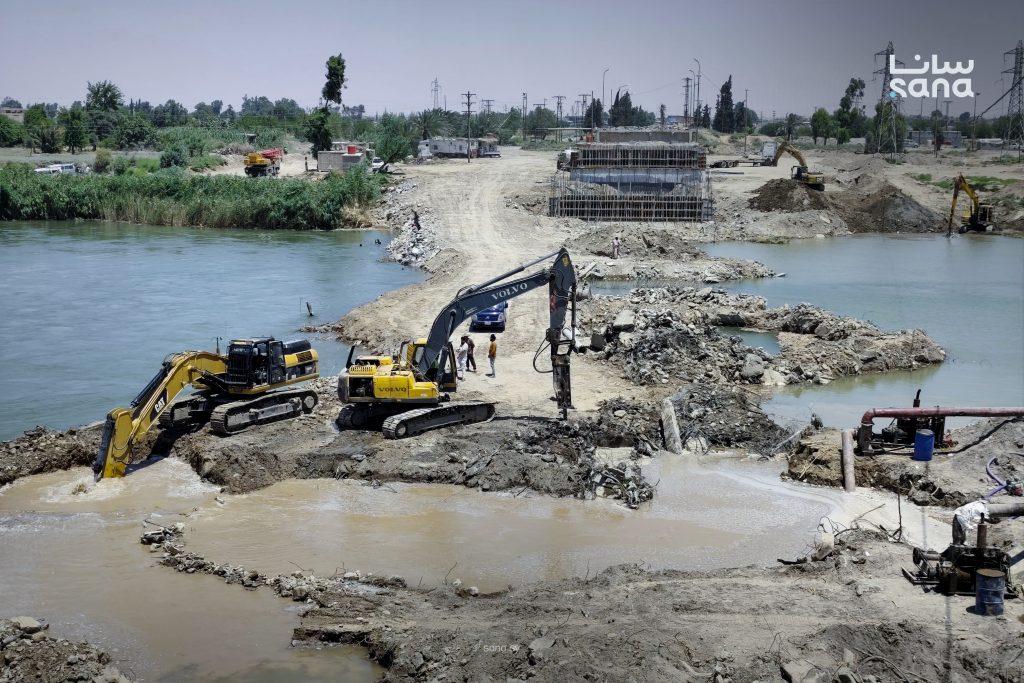
- Floating military bridge over the Euphrates begins in Deir Ezzor with Turkish army cooperation.
- FDS withdraws west of the Euphrates after US-brokered talks amid Kurdish-Damascus arrangements.
- Damascus signs a decree recognizing Kurdish rights amid a deal with the Kurds.
Kurds, Deir Hafer, and a Deal
After negotiations orchestrated by the United States, the Forces démocratiques syriennes (FDS) withdrew from territories west of the Euphrate that they had seized more than a year earlier, following the fall of Bachar Al-Assad on 8 décembre 2024.
“Syrian Ministry of Defense announced yesterday (Wednesday) the start of works to construct a floating military bridge over the Euphrates River in Deir al-Zor, eastern Syria, in cooperation with the Turkish army, with the aim of reconnecting the river banks and facilitating civilian movement”
In exchange, the Syrian president signed a decree recognizing the national rights of the Kurds, as residents from villages around Deir Hafer and Maskana—declared a closed military zone by Syrian authorities—fled toward government areas.

Le Monde.fr reported that more than 13 000 civilians fled into government zone before fighting began, and that Syrian authorities massed more than 25 000 men on the front line before starting artillery bombardment of FDS positions on Friday evening.
Abou Khaled, a resident of Deir Hafer who fled with his wife and six children, said: "Ce matin, on a pris une route secondaire."
He also described fear that FDS “mettent des mines partout et ont des tireurs embusqués,” while the FDS denied preventing departures to use civilians as human shields.
Voices, Accusations, and Numbers
Le Monde.fr said the Syrian authorities began evacuating civilians through a humanitarian corridor toward government zones after the FDS withdrawal, while residents described being stopped at FDS checkpoints and forced onto secondary routes.
Abou Khaled told Le Monde.fr that when he tried to leave, "on a été arrêté au barrage des FDS, sur la route principale," and he said the FDS did not let them pass.

The same report said Syrian authorities started bombing FDS positions with artillery after massing more than 25 000 men on the line of front, and that the “déluge de feu” was short.
Orient XXI framed the broader Kurdish situation as the Syrian army being on the outskirts of Al-Hasakah after the fall of Aleppo, Raqqa, and Deir ez-Zor, and it described the autonomous Kurdish region as threatened.
Orient XXI also quoted Tom Barrack on X on January 20, saying: "The initial objective of the SDF as the main anti-IS Islamic State force on the ground has largely disappeared".
Floods, Bridges, and Emergency
After the January 2026 negotiations and fighting around Deir Hafer, a separate crisis hit Deir ez-Zor Governorate in late May 2026 as the Syrian Ministry of Electricity, via the General Organization for the Euphrates Dam, announced a new flood wave entering from the Jazrat region.
The ministry said the current water discharge reached 1,800 cubic meters per second and expected water levels to rise by about 70 to 100 centimeters, with the flood peak around 10:00 PM local time on Thursday.
Local and medical sources reported seven drowning deaths, including six children, in areas along the riverbed including Zghair Jazira and Al-Khrita, while several crossings and bridges went out of service due to erosion and damage.
The flood also disrupted drinking water pumping stations as muddy water entered intakes, and the Central Emergency Committee declared general alert and called residents to evacuate Al-Hawaij river islands.
In response to the damage from rising water levels of the Euphrates, SANA reported that Deir Ezzor Deputy Governor Badri Al-Masloukh inspected rehabilitation works including the war/military bridge, the floating military bridge implemented by the Military Engineering Directorate and the Turkish Army, and the Siyasa Bridge.
More on Syria
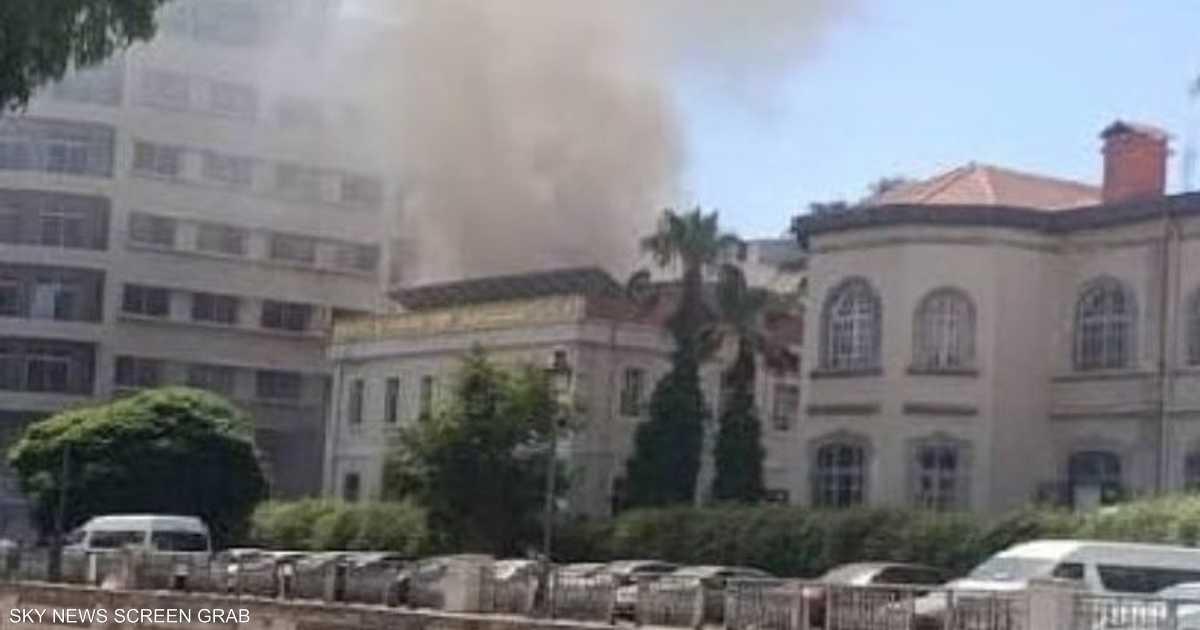
Syrian Authorities Arrest Damascus Bombing Cell Linked To Islamic State During Macron Visit
11 sources compared

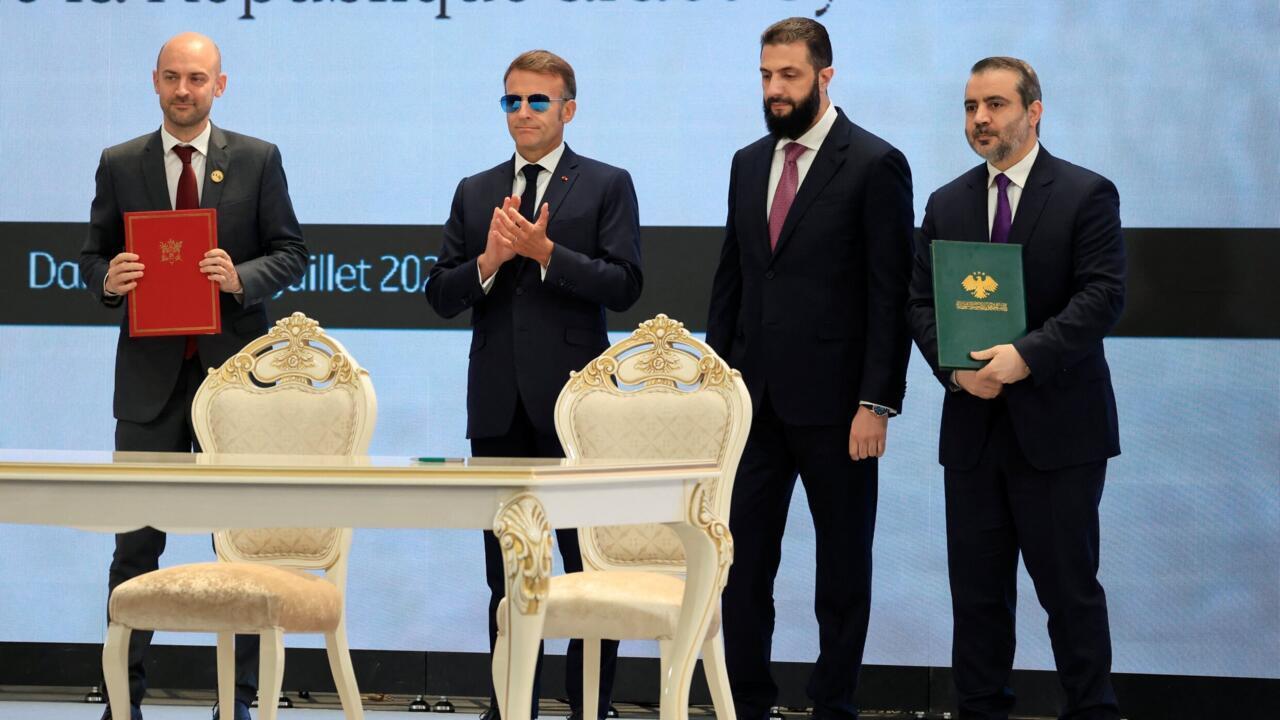
Ahmed al-Sharaa and Emmanuel Macron Sign 16 Syria-France Agreements in Damascus
13 sources compared
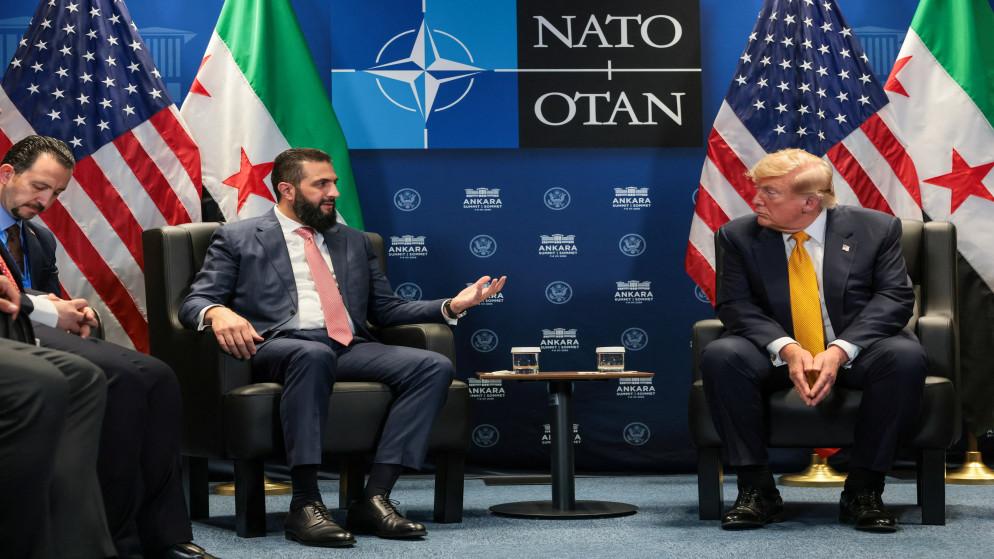
Trump Moves to Delist Syria as State Sponsor of Terrorism After Rubio Assurances
29 sources compared
Two Bomb Explosions Injure 18 in Damascus During Emmanuel Macron Visit
17 sources compared