Syria22 February, 20262 min read
Syrian Authorities Close al-Hol Camp After Relocating Thousands of ISIS-Linked Families
This article is an automated aggregation of coverage from news outlets. Our editorials offer in-depth analysis curated by the NewsCord team.
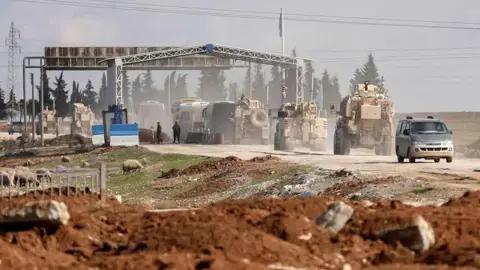
Syrian authorities evacuated all residents and closed al-Hol camp in northeast Syria Camp primarily housed families and relatives of suspected IS fighters, mainly women and children
6 outlets told this the same way.
Outlets did split on Asad Al-Shaibani Meets Saddam Haftar in Benghazi Over Syrian Consulate And Missing Syrians →
Closure of al-Hol camp
Syrian authorities announced the closure of the al-Hol camp in northeast Syria after relocating thousands of residents, officials said, and security forces were conducting final sweeps of the site to ensure no one remained. Fadi al-Qassem, described in multiple reports as the government-appointed official overseeing the operation, said Syrian and non-Syrian families have been relocated and that security forces were searching tents to confirm the camp was empty. Al-Hol, located in a remote desert area of Hasake province, was Syria's largest holding site for relatives of suspected Daesh/ISIS fighters, peaking at about 24,000 people, mostly Syrians and Iraqis, plus roughly 6,000 foreign nationals from about 40 countries.
“Fadi al-Qassem, the government-appointed official overseeing the operation, said Syrian and non-Syrian families have been relocated from Al-Hol and security forces are carrying out final sweeps of the tents.”
Al-Hol handover and relocation
Reports say remaining residents were moved earlier in the week to a camp in Akhtarin in northern Aleppo and to undisclosed locations. Humanitarian teams evacuated the al-Hol site as the Syrian government took control following clashes and an SDF withdrawal in January.
Rudaw reports the handover followed Syrian government attacks and the SDF's withdrawal, which the SDF said was prompted by international inaction on ISIS detainees. Separate reporting links the sequence of events to mid-January clashes that prompted prison breaks and a wider relocation of detainees from the northeastern Syrian detention network.

Detainee transfers to Iraq
Parallel to the camp relocation, U.S. Central Command and Iraqi authorities reported a large transfer of Islamic State detainees from northeastern Syria to Iraq.
“U.S. Central Command said it transferred more than 5,700 Islamic State detainees from northeastern Syria to Iraq after the Syrian Democratic Forces withdrew from the al-Hol camp and the Syrian army took control. The operation began on January 21 and lasted 23 days.”
Al-Jazeera Net states CENTCOM oversaw the movement of more than 5,700 detainees in an operation begun on January 21 and lasting 23 days, and Iraqi officials told reporters the detainees — reportedly from over 67 countries — would be held under Iraqi security and judicial oversight while governments are asked to repatriate nationals.
Rudaw likewise reported mid-January transfers of more than 5,700 detainees and noted Iraqi officials’ statements that those detainees will not remain permanently in Iraq.
Camp humanitarian and security concerns
Humanitarian and security concerns recur across the reporting, with sources describing residents as largely women and children in need of reintegration support and criticizing the camp’s history for poor living conditions and fears it could foster extremism. Rudaw quotes officials saying residents were 'mostly women and children in need of reintegration support,' and its broader coverage notes the camp was previously run by the Kurdish‑led SDF and criticised for poor conditions and risks of fostering extremism. عالم تسعة’s assessment underscores shortages, stating a needs assessment found a lack of basic living conditions.