Syria26 November, 20253 min read
Syrian Authorities Impose Strict Curfew in Homs as Alawite Protesters Rally After Bedouin Couple Killing
This article is an automated aggregation of coverage from news outlets. Our editorials offer in-depth analysis curated by the NewsCord team.
Bedouin Bani Khaled couple found killed near Homs; man stoned, wife burned alive Alawite demonstrators rallied in Homs following the Bedouin couple's killing

5 outlets told this the same way.
Outlets did split on Asad Al-Shaibani Meets Saddam Haftar in Benghazi Over Syrian Consulate And Missing Syrians →
Curfew after Bedouin killings
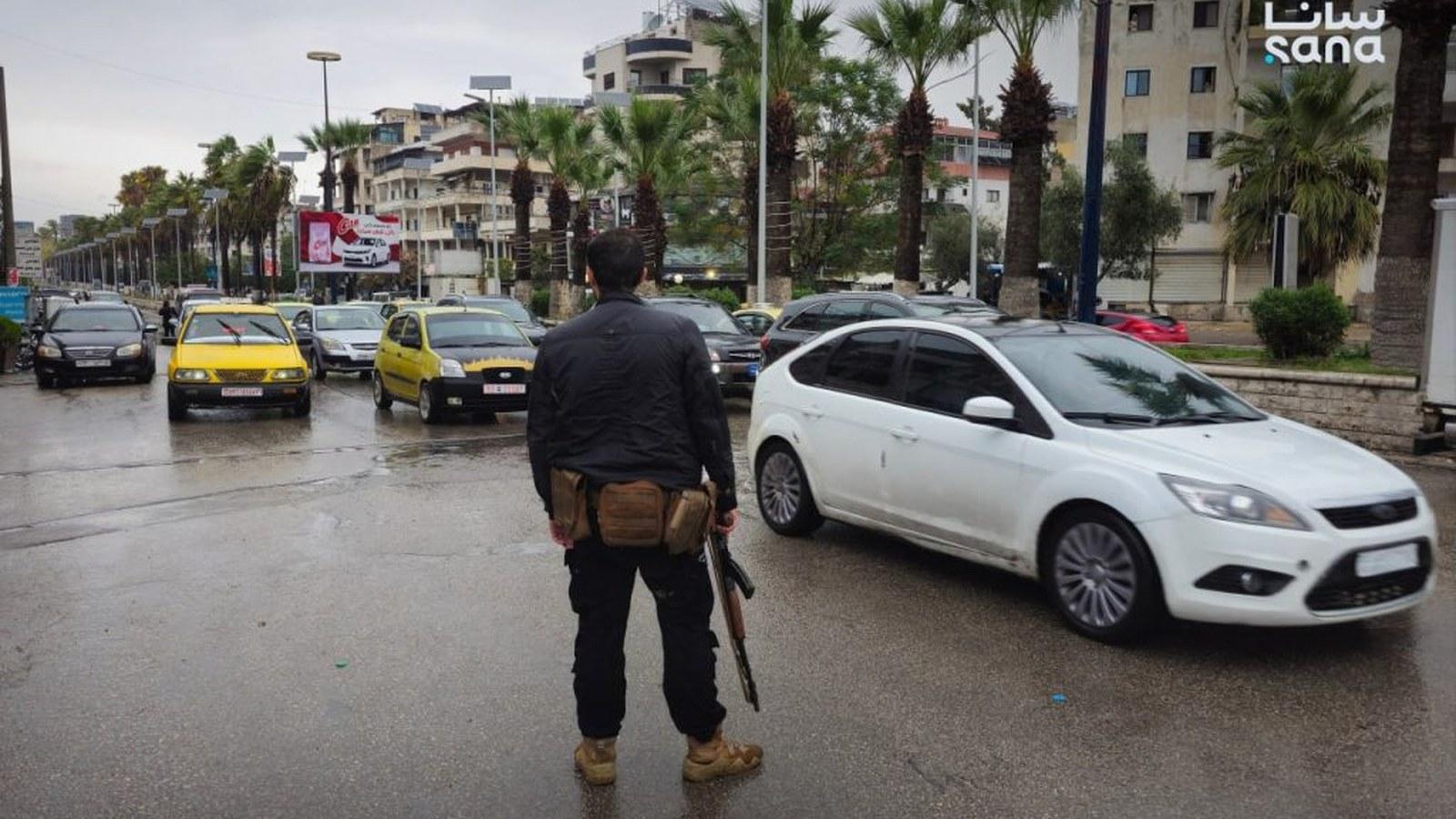
Syrian authorities imposed and later extended a strict curfew in Homs after the killing of a Bedouin couple. The move was intended to contain rapidly escalating unrest in the mixed city. State and local reports linked the violence directly to the November 23 incident.
Middle East Eye reports that a Sunni Bedouin man from the Bani Khaled tribe was reportedly stoned to death and his wife burned alive in nearby Zaidal. Zoom Bangla News similarly says Syrian authorities imposed and extended the curfew after the November 23, 2025 killing of a Bedouin couple.

The New Arab ties the unrest to the same murders, noting the violence in Homs following the murder of a Sunni Bedouin couple, initially blamed on Alawites. Authorities said the measures were to restore order as tensions flared across districts.
Alawite protests and attacks
The killings sparked large Alawite protests in Homs and along the coast, with demonstrators demanding political reforms and protection. Zoom Bangla News reported that the protests were endorsed by the community’s top religious leader and that demonstrators demanded political decentralization or federalism, the release of detainees, and better protection.
The New Arab similarly recorded Alawite demonstrators calling for an end to sectarian discrimination, the withdrawal of government-affiliated militias, the release of prisoners held in regime jails, and even federalism. Middle East Eye documented retaliatory attacks by armed Bani Khaled tribesmen that targeted Alawite-majority neighbourhoods in Homs, burning homes and cars and firing indiscriminately.
Security response to unrest
Security forces and local authorities responded with heightened deployments, curfews and arrests as they sought to prevent the unrest from spreading. Middle East Eye said plainclothed security personnel were seen helping Alawi residents evacuate and noted authorities imposed, and later extended, a curfew. Zoom Bangla News recorded that the Syrian Observatory for Human Rights reported security forces fired on some crowds, causing injuries and arrests.
“The Syrian Observatory for Human Rights reported that security forces fired on some crowds, causing injuries and arrests.”
It also reported the interim government vowed to protect peaceful protest while warning against sectarian incitement and made numerous arrests as it urged calm and unity. The New Arab reported counter-protests involved rock-throwing and that authorities said one security member was seriously injured when regime supporters opened fire.
Context for Homs unrest
Observers and the outlets consulted situate the unrest within long-running sectarian fault lines and recent conflict trauma. The New Arab links the tensions to Assad’s Alawite-dominated rule and Syria’s 14-year civil war, which killed more than 500,000 people. Zoom Bangla notes that Homs, which suffered heavily in earlier conflict, remains a flashpoint in Syria’s complex sectarian landscape.
Middle East Eye underscores the city's mixed demography, describing Homs as a mixed city of Sunnis, Alawis and Christians. It reports that the clashes later escalated into revenge attacks that killed hundreds of Alawis. Together, these angles frame the Homs unrest as both an immediate security incident and part of enduring communal grievances.

Conflicting accounts of motive
Significant ambiguities and competing narratives remain about motive, perpetrators, and responsibility. Middle East Eye reports the interior ministry said there was no definitive evidence the murders were sectarian and suggested the killings may have been intended to inflame sectarian tensions. The New Arab notes the couple were initially blamed on Alawites.
Zoom Bangla records the interim government accusing external actors of stoking unrest even as it vowed to protect peaceful protest. Each source therefore emphasizes different points: denial of a clear sectarian motive, early attribution to Alawites, and government accusations of outside interference, leaving the true chain of events and intent unclear.