Syria25 January, 20262 min read
Syrian Authorities Release 126 Minors From Al-Aqtan Prison in Raqqa After Seizing Facility From SDF
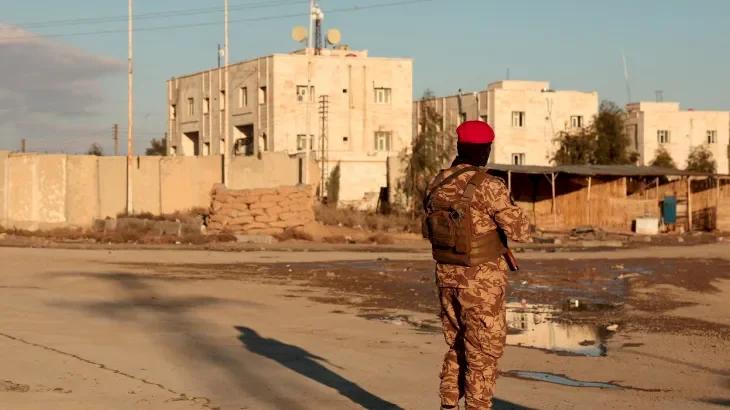
Syrian government forces seized control of the Al‑Aqtan prison from the SDF in Raqqa Authorities released 126 detainees under 18 from Al‑Aqtan prison; footage showed family reunions
25 outlets told this the same way.
Outlets did split on France Suspends Police Stun Grenades at High School Protests After 15-Year-Old Loses Hand →
Minors released in Raqqa
Syrian authorities say they released 126 minors from Al‑Aqtan prison in Raqqa after government forces took control of the facility from the Kurdish-led Syrian Democratic Forces (SDF). State television footage and social-media images showed children leaving the prison and families reuniting, and state agencies published lists of remaining detainees to assist searches, according to multiple reports. Authorities described the freed detainees as under 18 and said the Interior Ministry has begun reviewing their legal files after formally taking over the site.
“Syrian authorities announced they released 126 minors from Al-Aqtan Prison in Raqqa after taking control of the facility from the Syrian Democratic Forces. Images and video of the children leaving the prison spread widely on social media and in news coverage, prompting broad public reaction.”
Ceasefire and detention handovers
The releases were reported as part of a broader ceasefire and handover agreement between Damascus and the SDF.
According to several outlets, the deal assigns control of some detention facilities to the Syrian state and begins integrating SDF members into government institutions.

Reports cite different dates for the deal's announcement (Jan. 18 or Jan. 23 in various accounts) and describe initial movements of fighters and detainees.
These movements included transfers of Kurdish fighters from Al-Aqtan to Ain al-Arab (Kobani) and handovers of prison management to the Interior Ministry as first steps.
State statements framed the handover as implementing a political and security integration plan.
Syria detainee transfers
The Al‑Aqtan release took place against the backdrop of international efforts to relocate Islamic State suspects from northeastern Syria to Iraq. State and local reports cite around 9,000 Islamic State suspects held across SDF‑run jails in the region.
“State media said authorities released 126 teenage boys from Al-Aqtan prison near Raqqa — one of several facilities holding about 9,000 Islamic State detainees in the region.”
U.S. and other officials are reported as planning transfers of up to about 7,000 detainees to Iraqi custody, with roughly 150 already moved in initial stages. Coverage differs on scale and emphasis, with some outlets noting that most Islamic State suspects remain in SDF hands even after government seizures of a few prisons.
State response to detentions
Government officials used strong language to describe the prior detentions, framing the children involved as victims. Information Minister Hamza al‑Mustafa called them 'sons and daughters whose childhoods were stolen,' and presidential advisers labeled the detentions a 'complete scandal' during state broadcasts.
State news agency SANA and state TV footage were widely cited by pro‑government and regional outlets, which showed reunions and published detainee lists to aid searches. Those official characterizations appear consistently when the source of reporting is state media.

Media coverage of camp risks
Coverage reflects divergent emphases on security risks, international involvement, and Kurdish reactions. Some outlets highlight U.S. and international operations to move detainees to Iraq and stress the need to secure camps and transfer sites. Kurdish or local outlets urge an end to fighting and warn of mass escapes and humanitarian risks.
“Syria’s defense ministry extended a 15‑day ceasefire with the Kurdish-led SDF to allow a U.S. operation to move suspected Islamic State detainees from northeastern Syria to Iraqi detention centers; U.S. officials say roughly 7,000 detainees will be transferred and about 150 were moved this week.”
The Kurdish-led authorities’ public responses vary across reports, with some noting no immediate comment from the SDF and others quoting Kurdish officials calling for an end to fighting. Many reports warn that most IS suspects remain in SDF custody even as a handful of facilities change hands.
