Syria23 January, 20262 min read
Syrian Forces Seize Al-Aqtan Prison in Raqqa From U.S.-Backed SDF
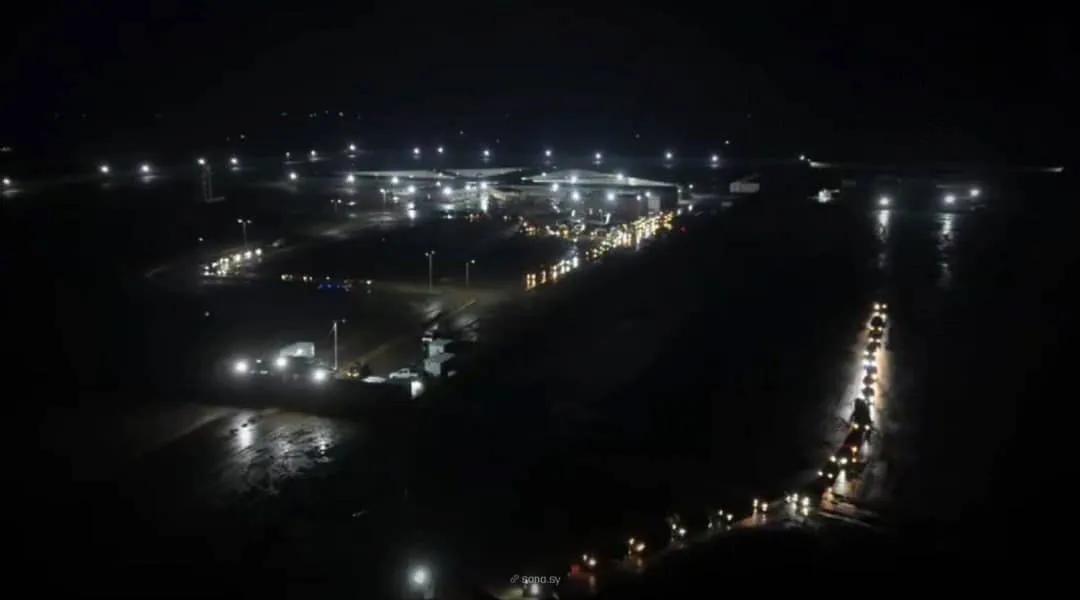
Syrian government forces seized al-Aqtan prison in Raqqa after the SDF withdrew SDF withdrew under a U.S.-supervised four-day ceasefire
14 outlets told this the same way.
Outlets did split on France Suspends Police Stun Grenades at High School Protests After 15-Year-Old Loses Hand →
Aqtan Prison Handover
Syrian government forces seized al‑Aqtan prison in Raqqa after Kurdish‑led SDF fighters withdrew under a four‑day ceasefire.
“Syrian government forces seized al‑Aqtan prison in Raqqa after Kurdish‑led SDF fighters withdrew under a four‑day ceasefire, with Prisons and Correctional Facilities officials taking control Friday to inspect detainees and records.”
Syria’s Prisons and Correctional Facilities officials took control to inspect detainees and records amid chaotic scenes as civilians pushed to check on relatives and gunfire was reported nearby.

Reports say SDF personnel and prison security began evacuating and relocating to SDF-held areas around Kobani under U.S. supervision.
Dozens—or in one account nearly 800—fighters were moved to the outskirts of Kobani to celebratory crowds despite severe local shortages.
Syrian troops demined the facility and removed SDF weapons.
Damascus says the Interior Ministry will assume control of the site as part of a Jan. 18 agreement that envisions Syrian state institutions regaining administrative authority over parts of the northeast.
Detainee transfers in Syria
The transfer of custody at al‑Aqtan happened as movements of Islamic State detainees out of northeast Syria accelerated, with U.S. Central Command and other U.S. military officials conducting or planning airlifts to Iraq.
Media report that hundreds have already been moved and U.S. officials say transfers could scale to thousands, with some outlets emphasizing priority for the most dangerous fighters.

Damascus welcomed visible cooperation to secure detainees even as questions remain over oversight, detainee lists and long-term custodial arrangements between Damascus, the Global Coalition and neighboring Iraq.
Syrian advance and integration
The seizure of al‑Aqtan is part of a wider Syrian military advance.
“Syrian government forces have pushed the U.S.-backed Syrian Democratic Forces (SDF) out of military bases, oil facilities and a dam on the Euphrates, weakening the SDF’s bargaining position over the fate of thousands of its fighters.”
That advance reclaimed much SDF-held territory and saw government forces push into military bases, oil facilities, and key crossings.
Those gains sharpened the SDF’s bargaining position and prompted a Jan. 18 deal invoking integration of SDF elements into state bodies.
Coverage diverges on what integration will mean, with some accounts listing concrete guarantees for Kurdish cultural and citizenship rights under new decrees and others highlighting deep mistrust and the practical hollowing-out of SDF autonomy after losses to state forces.
Humanitarian and security risks
Humanitarian and security concerns are prominent across the coverage: sources warn of overcrowded camps and detention sites (al‑Hawl holds tens of thousands) that could become extremist hotbeds if security collapses. Local civilians already face shortages of fuel, food and water. Some outlets report alleged jailbreaks or escapes at nearby prisons, and others highlight families’ demands for information and the risk of unrest if detainee files are not transparently reviewed, creating competing pressures on Damascus to secure facilities and placate affected communities.
Fragile ceasefire concerns
Observers warn the ceasefire and handovers are fragile. Analysts caution that unresolved issues over governance, weapons, integration, and the status of detainees could trigger renewed clashes.
“The government now faces competing pressures: obligations to the international anti‑ISIL coalition to keep detainees secure, and demands from families who say relatives were wrongly detained under SDF custody; an Interior Ministry review of files was welcomed by some but many families remain uninformed and unrest could recur.”
Regional commentators frame the developments as a test of centralization versus local autonomy in Kurdish-majority areas. Israeli and Western outlets emphasize deep mistrust, the need for external guarantees and monitoring, and clauses that could allow fighting to resume if the deal unravels.