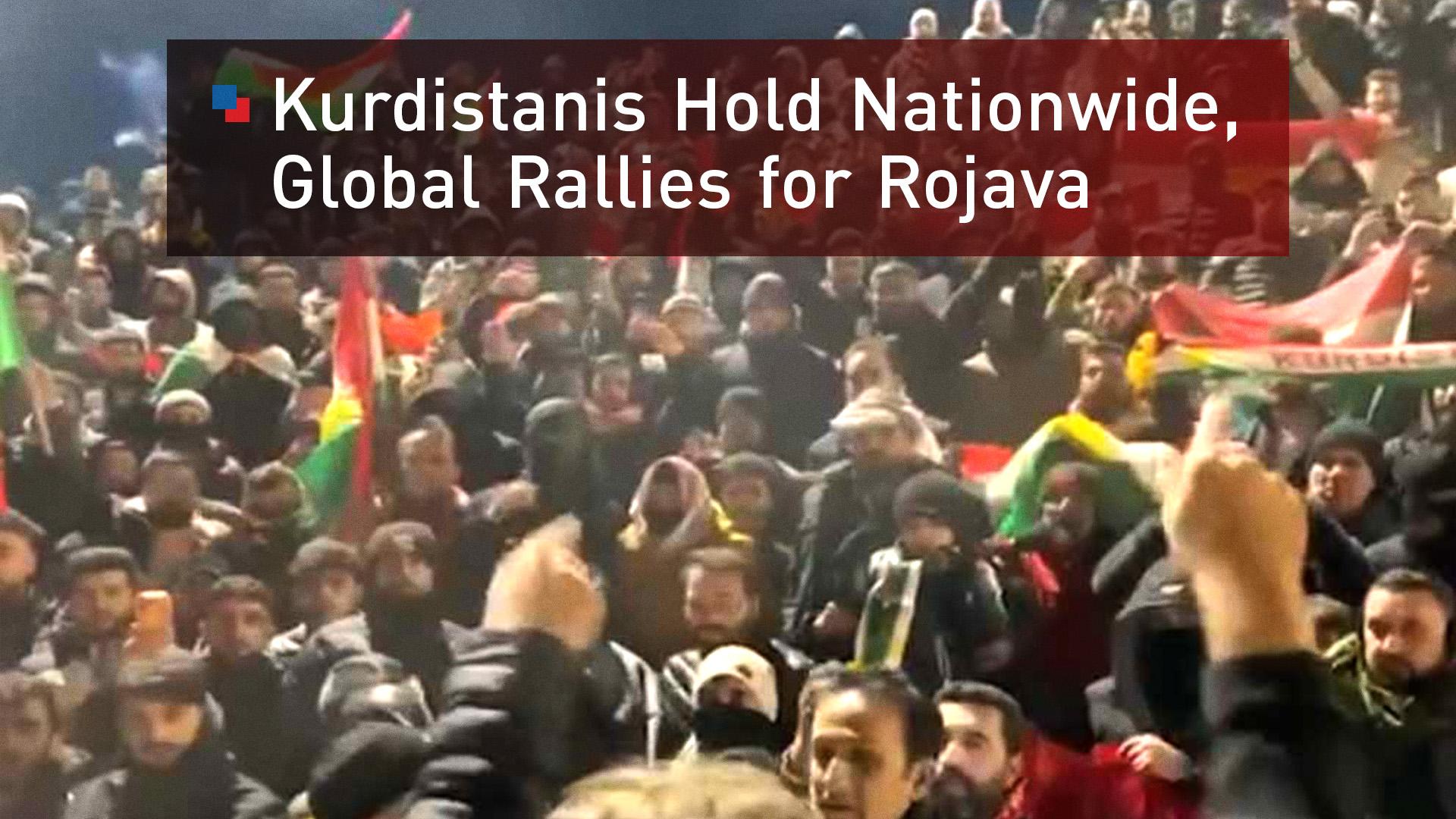
Syria21 January, 20262 min read
Syrian Government Attacks Kobane, Cuts Internet and Power Across Rojava
This article is an automated aggregation of coverage from news outlets. Our editorials offer in-depth analysis curated by the NewsCord team.
Syrian government forces attacked Kurdish-held areas, clashing with SDF and seizing districts. Damascus cut electricity and internet across Rojava, causing widespread communications blackouts.

5 outlets told this the same way.
Outlets did split on Asad Al-Shaibani Meets Saddam Haftar in Benghazi Over Syrian Consulate And Missing Syrians →
Northeast Syria humanitarian crisis
Syrian government-affiliated forces have reportedly cut communications, electricity and water across northeast Syria (Rojava) as they press attacks toward Kobane and other Kurdish-led areas, prompting urgent appeals and large protests. Local sources describe appeals to private providers—most notably a Kurdish resident of Kobane asking SpaceX CEO Elon Musk for Starlink satellite internet—to bypass the blackout and restore contact with displaced populations, while civil society groups warn of an 'imminent humanitarian catastrophe'.
“A Kurdish resident of Kobane in northeast Syria appealed to SpaceX CEO Elon Musk to provide Starlink satellite internet after Damascus-affiliated forces cut communications, electricity and water amid intensifying attacks on Kurdish-led areas (Rojava).”
Meanwhile, thousands of Kurds rallied across Iraqi Kurdistan and the diaspora demanding international intervention as footage and reports surfaced of mass displacement amid the offensive. The political backdrop includes an escalating contest between the Syrian interim government and the Kurdish-led Syrian Democratic Forces (SDF), turning a year-long standoff over governance into active clashes.
Alleged abuses and coverage
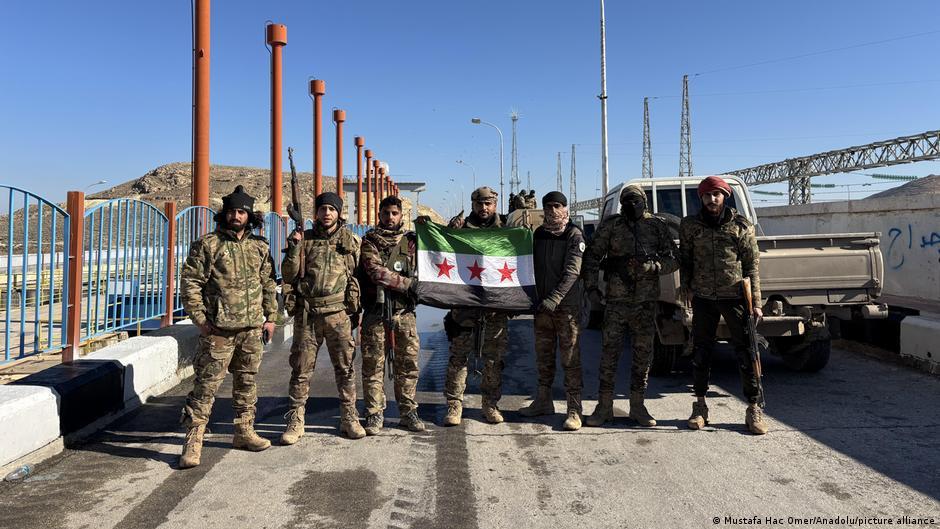
Social media posts and SDF footage, cited by local outlets, allege graphic abuses including beatings, executions and decapitations of captured fighters and civilians, with specific threats against women. Residents also dispute the identity of some attackers, saying elements appear to include ISIS or jihadist-aligned fighters operating alongside Damascus-affiliated groups.
West Asian reporting highlights these allegations and links them directly to a communication blackout, arguing the cutoffs are intended to silence Kobane's pleas. Western mainstream coverage presents the crisis as driven by contested security and governance arrangements and does not include the same graphic details.
Kurdish protests and responses
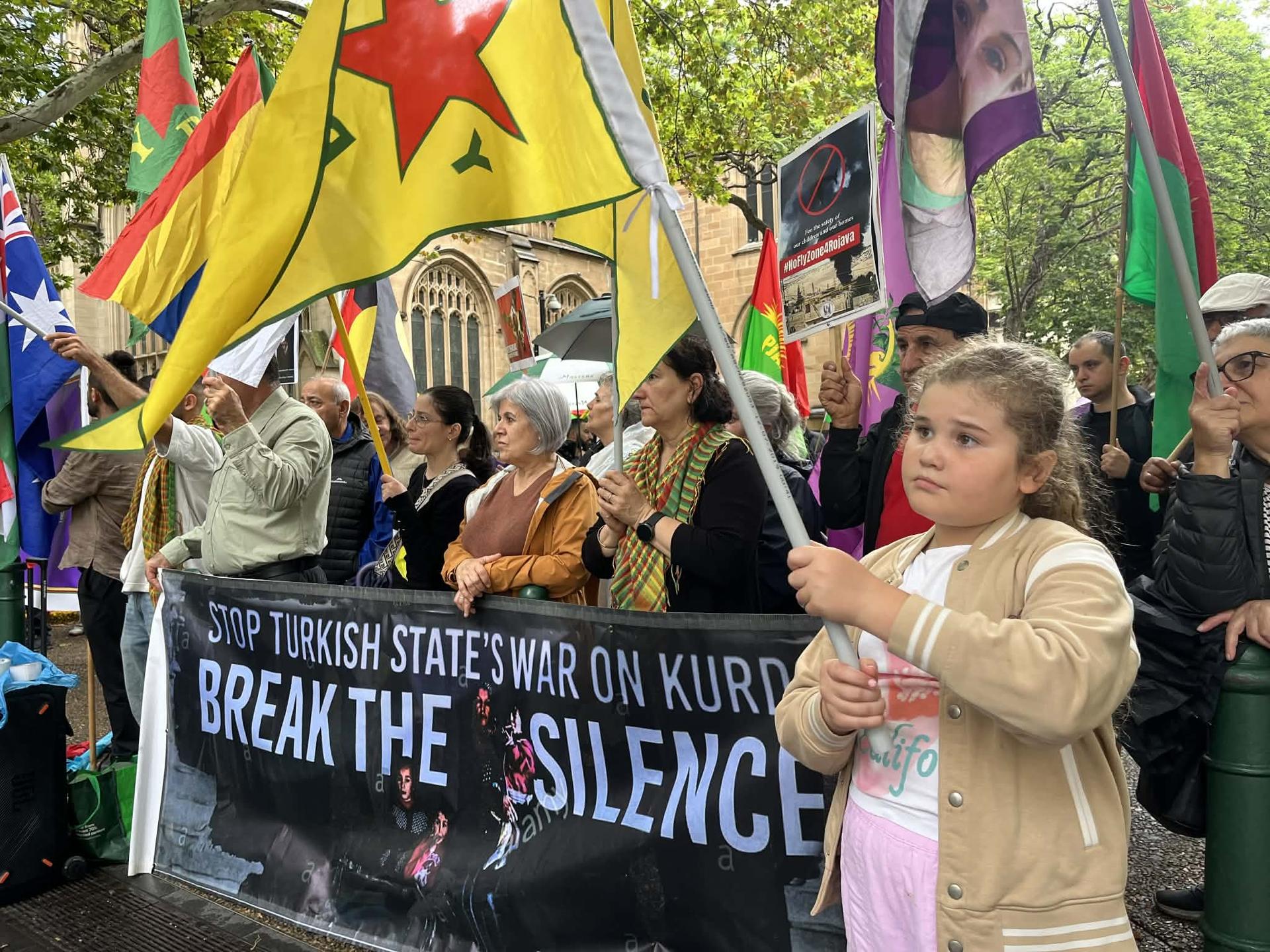
Local Kurdish and diaspora mobilization has been substantial, with demonstrations in Erbil, Zakho, Duhok, Ranya, Khanaqin and Kalar and protests also reaching abroad; demonstrators accused Western governments of inaction and called for direct intervention.
“Rallies from Erbil—where crowds gathered outside the U.S. Consulate—to Zakho, Duhok, Ranya, Khanaqin and Kalar, and abroad in Bochum, Germany, expressed anger at perceived Western inaction.”
Kurdistan24 reported crowds outside the U.S. Consulate in Erbil and framed the protests as a reaction to both the offensive and to religious-state messaging linked to Damascus-affiliated institutions.
Rudaw highlighted civil society appeals to the KRG, the UN and the international community, while DW framed the unrest within a broader political effort by the interim government to reassert central control over formerly autonomous areas.
Media framing comparison
The three sources differ in what they foreground and what they omit. Rudaw.net focuses on the humanitarian blackout, graphic allegations, and an explicit technology appeal. Kurdistan24.net centers protests, diaspora pressure, and religious-state messaging that frames the offensive as 'restoring state unity'.
DW emphasizes state-building and the contested absorption of SDF forces into a central army after a 2025 agreement. These differences shape how readers perceive culpability, urgency, and potential remedies. Rudaw and Kurdistan24 urge immediate international action and technical fixes, while DW presents a structural political dispute whose contested implementation has turned violent.