Syria22 December, 20252 min read
Syrian Government Forces Clash With SDF On Aleppo Outskirts, Kill and Injure Civilians
This article is an automated aggregation of coverage from news outlets. Our editorials offer in-depth analysis curated by the NewsCord team.
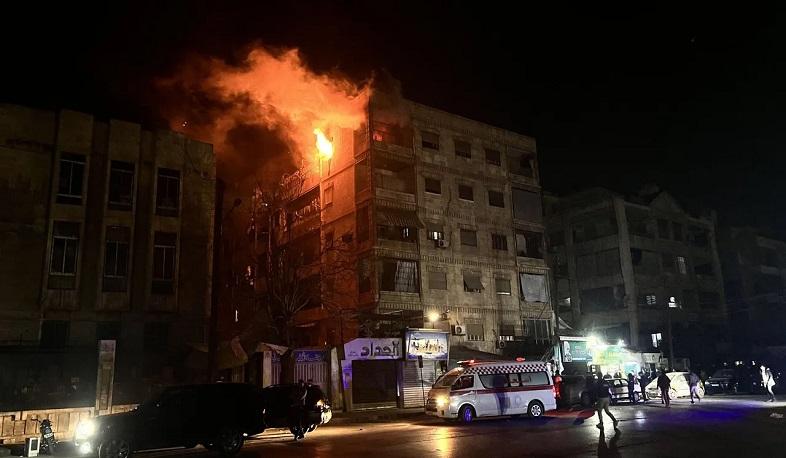
Syrian government forces and SDF fought around Ashrafiyah, Sheikh Maqsoud, al‑Layramoun junctions in Aleppo Clashes killed at least two civilians and wounded dozens, including civil‑defence rescuers
28 outlets told this the same way.
Outlets did split on France Suspends Police Stun Grenades at High School Protests After 15-Year-Old Loses Hand →
Clashes near Aleppo roundabouts
Heavy fighting erupted on the outskirts of Aleppo on Monday as Syrian government forces and the US-backed, Kurdish-led Syrian Democratic Forces (SDF) exchanged fire around the Sheihan/Shihan and Lairmoun/Lairamoun roundabouts, killing civilians and wounding dozens. Local and regional outlets reported varying casualty totals, with some medical and civil-defence sources saying at least two civilians were killed and more than a dozen wounded, while other reports put the toll higher.
“A clash in Aleppo between Syrian government forces and the Kurdish-led Syrian Democratic Forces (SDF) left at least two civilians dead and more than a dozen wounded after heavy gunfire near the Sheihan and Lairmoun roundabouts.”
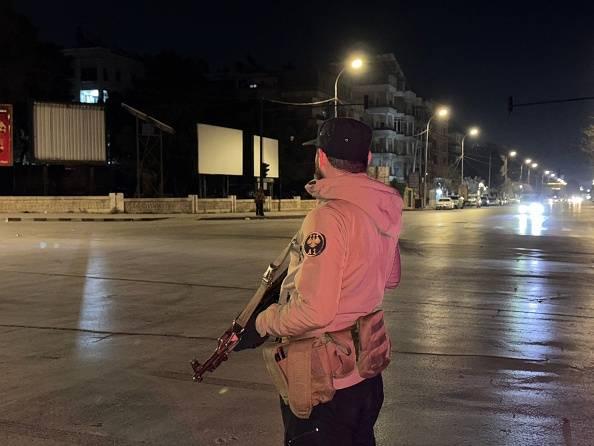
Witnesses and officials described intense small-arms exchanges, mortar and machine-gun fire that forced families to flee nearby neighbourhoods and temporarily closed key roads. After several hours of clashes, both sides announced a halt to fighting, citing de-escalation contacts or mutual pauses.
Conflicting Accounts of Violence
Accounts differ sharply over who initiated the violence. Syrian state media and the Interior Ministry accused the SDF of opening fire on joint checkpoints and described the action as treacherous. The SDF denied targeting civilians and blamed pro-government factions or other loyalist groups.
State and pro-government outlets emphasize SDF responsibility for the strikes on security personnel. SDF statements and Kurdish-area reporting instead describe government rocket, tank and artillery fire on densely populated Kurdish districts. Some local groups released video they say shows government forces withdrawing before strikes.
Civilian impact of fighting
Fighting reached near residential districts, exacting a heavy toll on civilians and rescue workers. Multiple sources reported two Civil Defence rescuers and two children among the wounded and said ambulances came under fire. Dozens of families fled the areas around Sheihan/Shihan and Lairmoun as clashes intensified.
“Sniper, artillery and mortar fire struck civilian areas, killing two civilians and wounding at least seven, with additional civilians and several Syrian Civil Defense (White Helmets) workers also hurt; two Civil Defense staff said they were wounded when a marked rescue vehicle came under fire.”
Local health officials and the Syrian Civil Defence said sniper, artillery and mortar strikes hit civilian neighbourhoods and closed the Gaziantep-Aleppo road. The clashes disrupted businesses and prompted authorities to close schools and government offices in parts of the city the following day.
SDF integration talks
The clashes occurred against the backdrop of high-stakes political talks about integrating roughly 50,000 SDF fighters into Syrian state institutions under a March 10 agreement that has largely stalled. Damascus has proposed folding those fighters into partly state-controlled divisions and brigades. Turkey, which views the SDF as linked to the PKK, opposes retaining the SDF command and sent Foreign Minister Hakan Fidan to Damascus amid the tensions.
Analysts and several outlets warned that implementation remains sensitive and potentially destabilising for northeastern Syria and fraught for regional diplomacy. The violence was widely framed as connected to those outstanding political issues.

Media and regional reactions
International and local reactions varied in tone. Western mainstream outlets framed the clash as part of a fragile de-escalation process and emphasized conflicting official statements. West Asian and Kurdish-area media placed stronger emphasis on alleged government shelling of populated areas and the humanitarian threat to civilians.
“Each side blamed the other: the Damascus‑run Aleppo Health Directorate said SDF shelling killed two civilians and wounded eight, while SDF media said government‑affiliated attacks killed one civilian and wounded 23 (including six security personnel).”
The UN and local spiritual leaders called for halting the fighting and renewed negotiations. Regional coverage also warned that stalled integration and Turkish pressure could spark further incidents. Overall, reporting differences reflect source perspective: state and pro-government outlets stress SDF culpability, Kurdish and West Asian sources underscore civilian danger from government fire, and Western outlets focus on contested claims and casualty tallies.
