Syria09 January, 20262 min read
Syrian Government Forces Expel Final Kurdish SDF Fighters From Aleppo After Days Of Deadly Clashes
Syrian forces seized and cleared Aleppo’s Sheikh Maqsoud, expelling remaining SDF fighters. Government announced a ceasefire and offered buses for SDF withdrawal to eastern areas.
34 outlets told this the same way.
Outlets did split on France Suspends Police Stun Grenades at High School Protests After 15-Year-Old Loses Hand →
SDF Evacuation from Aleppo
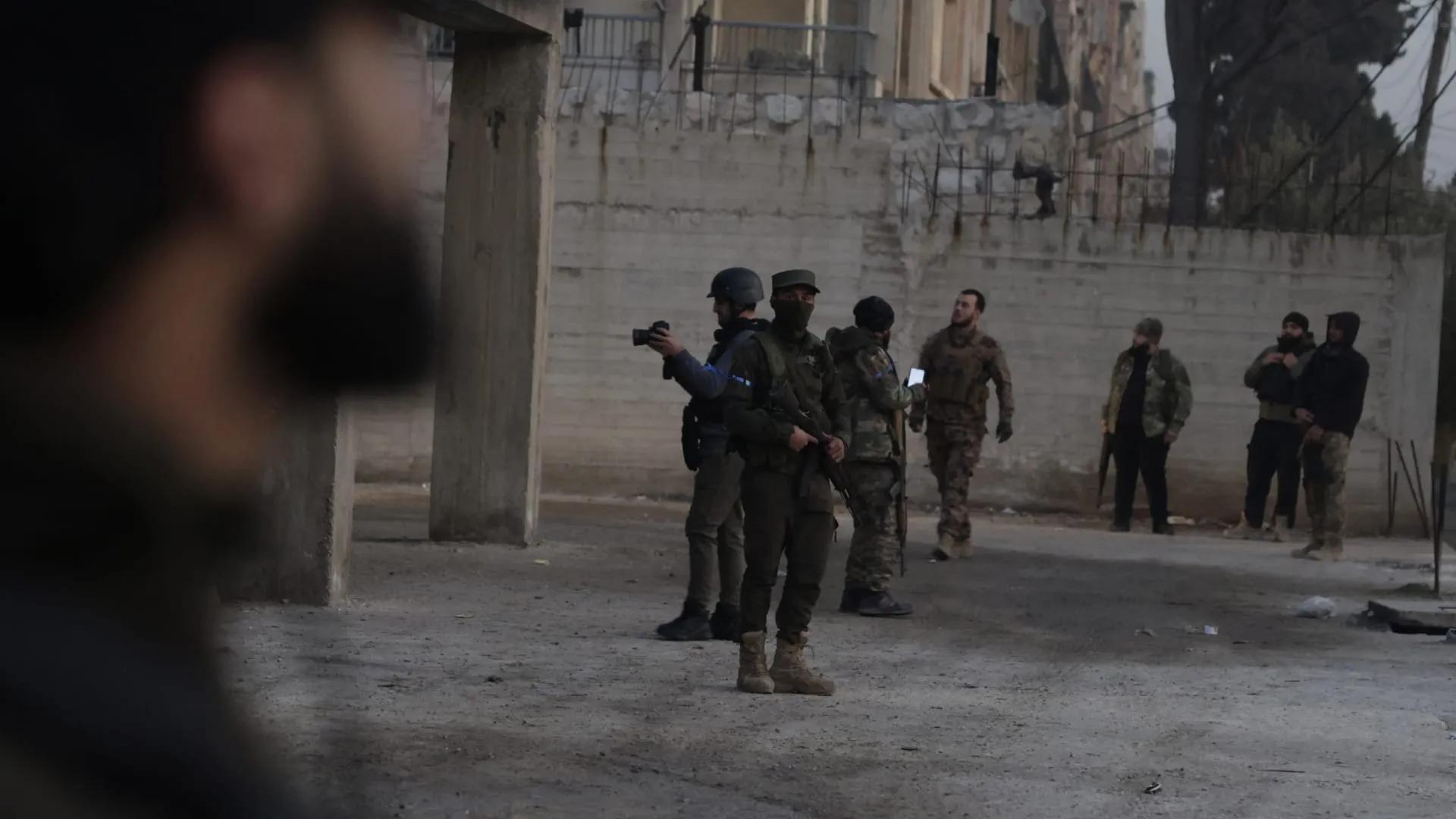
Syrian government forces expelled the last Kurdish-led Syrian Democratic Forces (SDF) fighters from the remaining pockets of Aleppo after days of heavy clashes that culminated in a mediated ceasefire and evacuation deal, according to multiple reports citing Reuters and on-the-ground observations. The Reuters-based accounts say the departures ended Kurdish control in city enclaves held since 2011 and involved escorted buses and departures to northeastern Syria, while Syrian state media and army statements described operations to clear and secure neighbourhoods such as Sheikh Maqsoud. International envoys and mediators were reported to have helped broker the evacuation amid ongoing tensions over integration of Kurdish units into Syria’s new security architecture.
“The Reuters article (Jan. 10, 2026) reports that the last Kurdish-led Syrian Democratic Forces (SDF) fighters have left Aleppo after a mediated ceasefire and evacuation deal, ending Kurdish presence in city pockets they had held since 2011.”
Casualties and displacement
The weeks-long escalation and the intense days of fighting produced conflicting tallies of deaths and displacement, with sources giving different scales for the humanitarian impact. Several Western mainstream and regional outlets cited large displacement figures running into the tens or hundreds of thousands and reported civilian casualties amid shelling and exchanges of fire. Other outlets reported smaller immediate flight figures and gave varying death tolls.
Accusations in conflict
Kurdish officials and sources aligned with the SDF accused Syrian government forces of indiscriminate bombing, saying a hospital was struck and alleging Turkish drone involvement. The army and state outlets accused the SDF of using civilians as shields, mounting attacks, and possessing explosives. Independent reporting noted damage to public infrastructure, including a school and a hospital, and said journalists saw civilians being escorted out under military supervision.
“The SDF accused government forces of indiscriminate bombing, including of a hospital, and blamed Turkish drone support—Turkey denied drone involvement; the army denied indiscriminate strikes and accused the SDF of a drone attack.”
Syrian integration and tensions
The clashes carry wider political implications tied to a stalled 2025 integration agreement and regional dynamics. U.S. envoys pressed for restraint and mediation while the integration plan to fold SDF units into a new Syrian army remained unfinished.
Ankara, viewing the SDF as linked to the PKK, was a key regional actor whose stance complicated outcomes. Observers warned the violence jeopardised the March 10, 2025 deal and left open the risks of further escalation or Turkish involvement.
