Syria11 January, 20263 min read
Syrian Government Forces Reassert Control Over Aleppo Neighborhood After Kurdish SDF Lay Down Arms
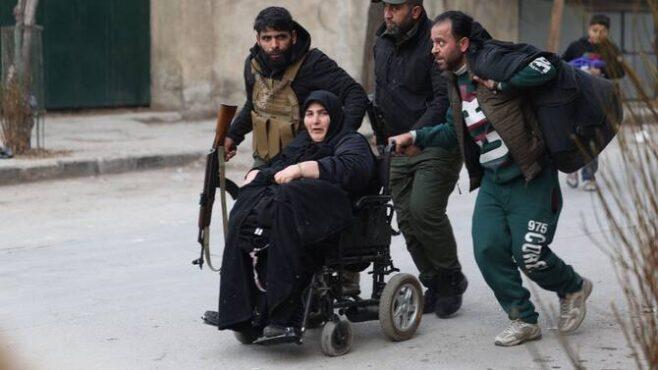
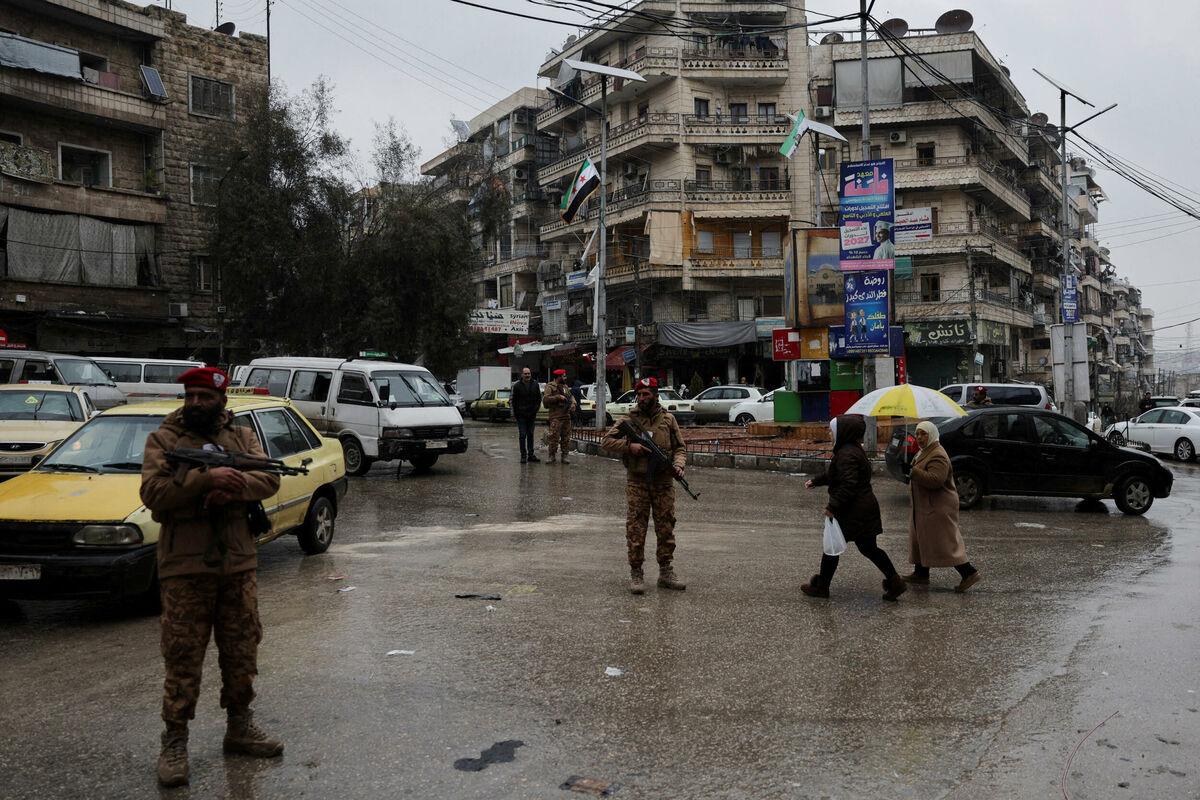
SDF fighters evacuated from Aleppo's Sheikh Maqsoud and Ashrafiyah under an internationally mediated ceasefire Syrian security forces entered and conducted security sweeps in the vacated Aleppo neighborhoods
27 outlets told this the same way.
Outlets did split on France Suspends Police Stun Grenades at High School Protests After 15-Year-Old Loses Hand →
Aleppo evacuation and control
Syrian government forces say they have reasserted near-complete control of the mostly Kurdish Aleppo neighbourhoods of Sheikh Maqsoud and Ashrafieh. This followed days of intense fighting with the Kurdish-led Syrian Democratic Forces (SDF) and an internationally mediated ceasefire and evacuation agreement that saw buses carry departing SDF members to northeastern Syria.
“Syrian government forces say they have reasserted near-complete control of the mostly Kurdish Aleppo neighbourhoods of Sheikh Maqsoud and Ashrafieh after days of intense fighting with the Kurdish-led Syrian Democratic Forces (SDF). Authorities reported dozens of SDF fighters laid down arms and were bused to SDF-held areas in the northeast, though some factions were said to still be resisting.”
Local and international outlets reported seeing transports leave besieged areas while SDF commander Mazloum Abdi described the understanding as allowing the 'safe evacuation of fighters, wounded and trapped civilians' under mediation. State media and AFP correspondents said the last fighters were moved to areas like Tabqa, though some reports noted factions still resisting amid post-sweep operations.

Casualties and displacement reports
Reports varied in the human cost and scale of displacement, with casualty counts ranging from 'at least 12 people' killed in some accounts to two dozen or more. Displacement estimates spanned from tens of thousands to well over 140,000 people. Al Jazeera cited Syria's Health Directorate reporting '23 dead (including civilians) and 104 wounded'.
Castanet and Prothom Alo reported at least '22 dead' and more than '140,000' displaced. France 24 said around '21 civilians were reported killed and roughly 155,000 people displaced'. Some outlets gave smaller immediate tallies; for example, News On AIR said 'at least 12 people have been killed' and 'more than 45,000 residents have been displaced'.

Disputed Evacuations and Claims
Reports also sharply differ over who was evacuated and how those departures were characterized. Syrian state sources and SANA said security officials loaded hundreds of men in civilian clothes onto buses and labelled them surrendered Asayish (Kurdish internal security). Kurdish authorities and the Asayish denied they were fighters and described forced displacement of civilians.
“Syrian officials later loaded over 100 men in civilian clothes onto buses, calling them surrendered Asayish (Kurdish internal security) members, but the Asayish denied they were fighters and said they were civilians forcibly displaced.”
Witness and AFP accounts described buses carrying fighters to Tabaqa and the separation of dozens of young men "forced to sit with their heads down" before being taken away. Some outlets present these accounts as detention, while others describe them as the processing of surrendered combatants.
Kurdish integration clashes
Fighting escalated after implementation of a March 2025 integration deal between Kurdish forces and Syria’s government collapsed, with reports highlighting diplomatic interventions and mutual accusations. Multiple outlets said the breakdown of talks over Kurdish integration triggered the clashes, with Al Jazeera reporting that fighting began after failure to implement the March 2025 deal and France 24 and The New Arab saying the episode undermined President Ahmed al‑Sharaa’s reunification efforts.
Both sides accused each other of drone and air attacks; Al Jazeera reported a drone hit the governorate building and that the SDF denied targeting a civilian site, while state media and Castanet accused Kurdish forces of using explosive drones. US envoy Tom Barrack was repeatedly mentioned as meeting Syrian officials to urge a return to dialogue and press for restraint.

Aleppo aftermath and implications
The aftermath leaves a contested political and humanitarian picture: state outlets and some West Asian commentary hailed the return of government control and the handing back of institutions. Other outlets warned the clashes exposed the fragility of reunification, the risk of renewed displacement, and the possibility of detention or forced moves of civilians. Economic and civic life was disrupted, with reports of a closed Aleppo airport, a blocked highway to Turkey, and factory shutdowns.
“For the first time since 2012, the last SDF fighters left Aleppo after withdrawing from Sheikh Maqsoud at dawn and being bused to Tabqa in the Raqqa countryside.”
Observers warned that international mediation and follow-up will determine whether the calm holds. Commentators on pro-state programs described Aleppo as 'completely green' and a 'full return' to state control. Western analysts flagged doubts about long-term integration and the potential for further instability.