Full Analysis Summary
Offensive in Northeastern Syria
Syrian government forces have launched a full-scale offensive into Kurdish-held areas of northeastern Syria (Rojava).
The assault has triggered heavy fighting and large-scale displacement of Kurdish civilians.
Reports describe tank and artillery strikes and a feared breakdown of a ceasefire.
At least three Kurdish-majority districts in Aleppo have been lost as clashes continued between the Syrian Arab Army and the Kurdish-led Syrian Democratic Forces (SDF).
More than 150,000 Kurdish civilians have been displaced.
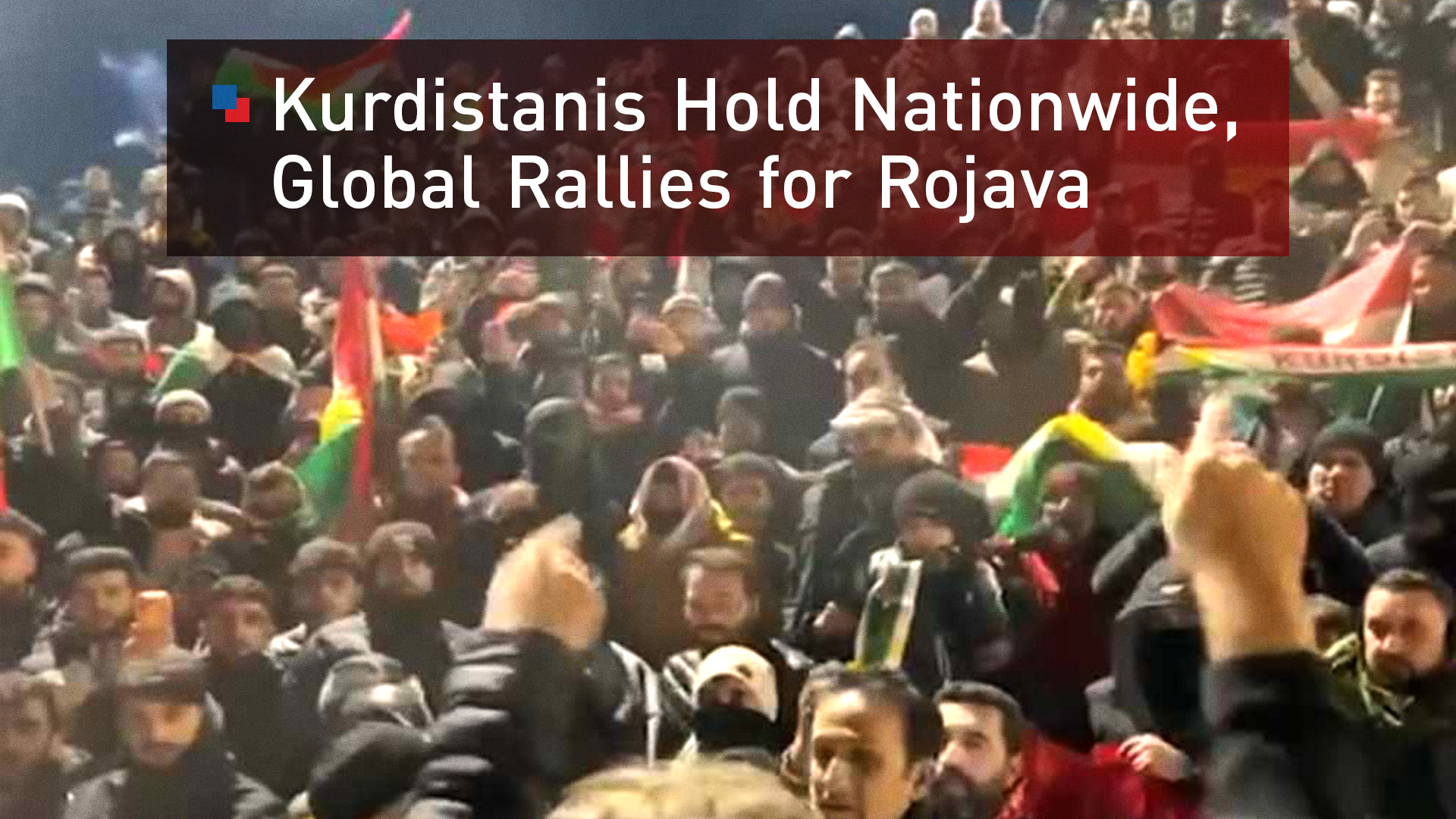
Protesters and activists across Kurdistan and the diaspora have demanded urgent international intervention in response to the offensive.
One source provided no substantive article text.
Coverage Differences
Tone/Narrative
kurdistan24 (West Asian) frames events as an urgent humanitarian and political crisis, using language like 'emerging campaign of ethnic cleansing' and emphasizing mass protests; jpost (Israeli) reports military and territorial specifics—lost districts, displaced numbers and SDF withdrawals—while also noting political demands by Damascus; DW (Western Mainstream) did not provide substantive reporting in the snippet and instead requested the article text.
Deir ez-Zor update
Territorial and political shifts followed intense clashes.
Sources report the SDF agreed to withdraw from two Arab-majority areas in Deir ez-Zor to avoid further bloodshed.
Damascus’s newly formed Arab Islamic-leaning government is demanding that the SDF integrate into the Syrian army and dismantle Rojava’s semi-autonomous governance.
Kurdish leaders and commanders warn a larger assault could be imminent as negotiations over logistics and troop movements reportedly continue.
Coverage Differences
Narrative focus
jpost (Israeli) emphasizes concrete military and political developments—SDF withdrawals, demands from Damascus to integrate and dismantle Rojava—whereas kurdistan24 (West Asian) emphasizes the humanitarian fallout and the breakdown of a ceasefire as a driver of protests; DW again offers no substantive reporting in the snippet.
Protests in Iraqi Kurdistan
Mass demonstrations erupted across Iraqi Kurdistan and in the diaspora on January 20, 2026, with rallies recorded in Erbil, Zakho, Duhok, Ranya, Khanaqin, Kalar and Bochum, Germany.
Activists and protesters explicitly called on the U.S. and European governments to intervene.
Demonstrators gathered outside the U.S. Consulate in Erbil to express frustration at Washington's perceived silence despite previous warnings.
Coverage Differences
Emphasis on activism versus diplomacy
kurdistan24 (West Asian) foregrounds popular mobilization and direct appeals to Western capitals—detailing cities and the U.S. Consulate protest—while jpost (Israeli) focuses more on political accusations by Kurdish commanders that Western actors have abandoned them; DW provides no content to corroborate or dispute these accounts.
Kurdish conflict developments
Kurdish political and military figures signaled possible armed support and coordination.
The Jerusalem Post quoted PKK leader Murat Karaylan pledging fighters from Turkey to assist Kurds in Syria.
General Hussein Yazdanpanah discussed logistics and troop movement negotiations.
Public intellectual Bernard-Henri Lévy called Western responses a 'historic moral failure'.
Social media showed widespread solidarity with the Kurds.
Kurdistan24 highlighted the crisis’s sectarian turn.
Syria’s Ministry of Endowments instructed mosques to pray and recite the Takbir.
The information minister vowed to prevent autonomous Kurdish governance in Jazira.
Coverage Differences
Military versus sectarian framing
jpost (Israeli) emphasizes military pledges, leadership statements and international moral condemnation quotes, whereas kurdistan24 (West Asian) stresses sectarian measures and religious framing by Syrian authorities; again DW provides no substantive article content in the snippet.
Rojava reporting gaps
The accounts reflect both convergence and unresolved gaps.
Multiple sources agree there has been heavy fighting, displacement, and political pressure on the SDF.
Sources emphasize different aspects: territorial losses and negotiated withdrawals (JPost), and widespread protests with claims of ethnic cleansing and sectarian mobilization (Kurdistan24).
One source in the provided collection, DW, did not supply substantive reporting.
Available snippets leave uncertainties about the full scope of operations, casualty figures beyond displacement, and the longer-term outcome for Rojava's political status.
Independent confirmation and fuller reporting are needed.
Coverage Differences
Contradiction/Missed information
While both jpost (Israeli) and kurdistan24 (West Asian) describe heavy fighting and displacement, jpost provides precise territorial loss and displacement figures and notes political demands by Damascus, whereas kurdistan24 prioritizes protest activity and frames the offensive in terms of ethnic cleansing and sectarian mobilization; DW (Western Mainstream) did not provide content in the snippet to corroborate or challenge these claims.