Syria03 February, 20262 min read
Syrian Government Sends Security Forces Into Qamishli, Reasserts State Control Under US-Brokered Deal
Syrian internal security forces entered Qamishli under a ceasefire and integration agreement with the SDF Deployment implemented a US-backed, brokered deal to reintegrate northeastern areas into state control
19 outlets told this the same way.
Outlets did split on France Suspends Police Stun Grenades at High School Protests After 15-Year-Old Loses Hand →
Qamishli security reintegration
Syrian government security forces entered the Kurdish-controlled northeastern city of Qamishli on Feb. 3 to implement a U.S.-backed ceasefire and integration agreement with the Kurdish-led Syrian Democratic Forces (SDF).
“Syrian government security forces entered the Kurdish-controlled northeastern city of Qamishli on Feb. 3, implementing a U.S.-backed Jan. 30 agreement to return Kurdish-run areas to central government control, sources and witnesses told Reuters.”
Multiple outlets report the move follows agreements struck on Jan. 30 and complements earlier understandings.

State media and government statements said the deployment was intended to implement the terms of the agreement and commence their security duties.
Sources describe the operation as part of a phased reintegration of Kurdish-run security bodies into Syrian state institutions, intended to end divisions and extend Damascus control across Hasakah governorate.
Security deployments and handovers
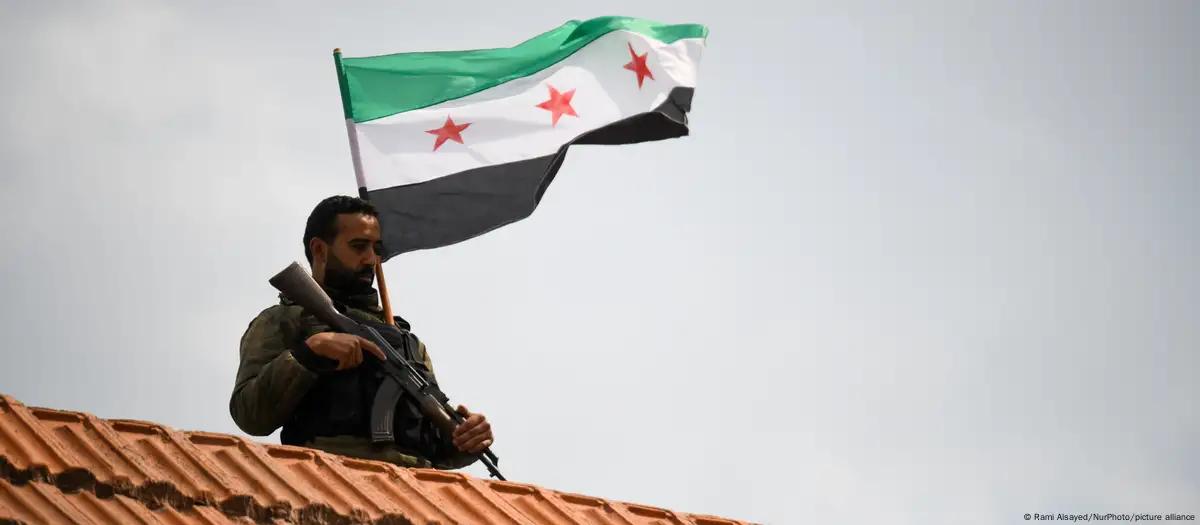
Field reports provide consistent operational details. Convoys of Interior Ministry and internal security personnel moved into key government sites and security squares instead of taking routes past the international airport. Leaders and officials set up temporary headquarters.
Sources describe movements of roughly 100 officers in groups of about 15 vehicles, including armored personnel carriers and 4x4s. Reports detail the handover of state institutions such as the post office, electricity and water authorities, and the civil registry. The agreement is expected to transfer Qamishli airport, oil fields and border crossings to Damascus within about 10 days.

Kurdish response to security changes
Kurdish authorities and local residents showed a mix of resistance, cooperation and concern. Several reports say SDF-affiliated Asayish units coordinated movements, raised readiness and facilitated the entry to limit clashes. Kurdish leaders warned that only a limited internal security presence, not full military forces, would enter Kurdish cities.
“The handover was coordinated with Kurdish internal security (Asayish), which deployed heavily to facilitate the entry and guard against security breaches or sleeper-cell activity.”
Others described fear about living under Damascus control. Observers cautioned that deep mistrust and the complexity of integrating security institutions make the process slow and fragile.
Media coverage of the deal
International and regional actors featured prominently in coverage. Several outlets described the deal as US-backed or brokered and noted shifting US-Kurd relations. Turkish leaders were recorded welcoming the accord while warning against attempts to sabotage it.
Reporting also mentioned broader political steps tied to the deal, including planned handovers of oil fields and border crossings. Reports highlighted broader reconciliation efforts involving foreign diplomacy.

Security and integration risks
Despite largely coordinated entries, risks and incidents underscore fragility. Local reports mention precautionary curfews, at least one convoy coming under gunfire in Hasakah, and arrests of suspected attackers. There are warnings that integration will be slow given deep mistrust.
“A convoy escorting government personnel into Hasakah came under gunfire from what the statement called ‘terrorist cells’; Asayish intervened, arrested several suspects, and one security member was wounded and is receiving treatment.”
Coverage diverges on whether the entry averted immediate conflict or signals a lasting shift. Analysts in several reports say implementation will be challenging and the situation remains fluid.