Syrian Kurds Register for Citizenship After Decades of Statelessness
Key Takeaways
- Thousands of stateless Kurds in northeast Syria apply for citizenship at registration centers.
- Presidential decree grants Kurdish national rights, language recognition, and schooling access.
- Citizenship steps align with January 29 agreement between Damascus and the SDF.
Citizenship Registration
Hundreds of stateless Kurdish Syrians began registering for citizenship at government centers across northeastern Syria and other provinces.
“Hundreds of stateless Kurdish Syrians have been arriving at government registration centers in northeastern Syria and in other provinces to submit applications for Syrian citizenship after decades of deprivation, according to a report by Agence France-Presse”
Feras Ahmed told AFP, "A person without a nationality is considered dead. Imagine that I cannot register my children or our home in our name."

The decree also recognized cultural and linguistic rights for the Kurds, including considering the Kurdish language a national language.
The deprivation of citizenship traces back to a controversial 1962 census that withdrew citizenship from about 20% of the Kurdish population.
Estimates by the Network of Victims of Kurdish Statelessness put the number of stateless people today at around 150,000.
The Syrian Ministry of Interior said the centers would remain open for a month, with the possibility of extension.
Political Context and Integration
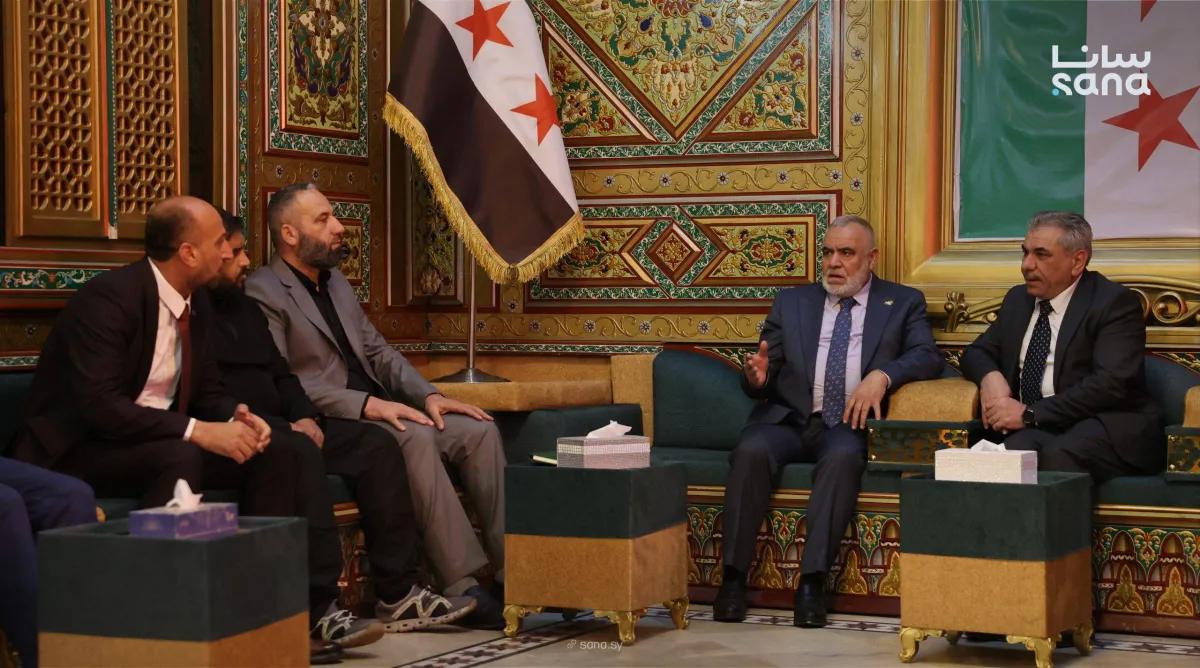
The citizenship registration followed a January decree by President Ahmed al-Shara' that granted citizenship to Kurds.
The decree came after weeks of skirmishes between Kurdish fighters and government forces ended with an integration agreement.

Al-Shara' met with SDF chief Mazloum Abdi and Kurdish politician Ilham Ahmad to discuss implementation.
The move aligned with Türkiye's terror-free initiative launched in 2024.
Amnesty International had estimated in 2005 that between 200,000 and 360,000 Kurds were stateless.
The integration included government forces entering previously YPG-controlled cities.
Daily Life Impact
The lack of citizenship affected many aspects of daily life for stateless Kurds.
“LONDON: Syrian Arab Republic President Ahmad Al-Sharaa met Syrian Democratic Forces chief Mazloum Abdi and Syrian Kurdish politician Ilham Ahmad on Thursday to discuss the implementation of the Jan”
Ghalia Kalash said her children could not complete their education and the family could not travel.
Mohammed Ayo recalled feeling helpless as a stateless person.
He was unable to obtain documents to pursue university studies or basic civil rights.
The Network of Victims of Kurdish Statelessness urged authorities to provide flexibility for residents outside Syria.
Many face travel difficulties due to their legal status as asylum seekers in European countries.
Skepticism and Regional Dynamics
Skepticism remained about the decree's implementation and the broader political context.
Conflits warned that the recognition was only a cosmetic measure designed to reassure the West.
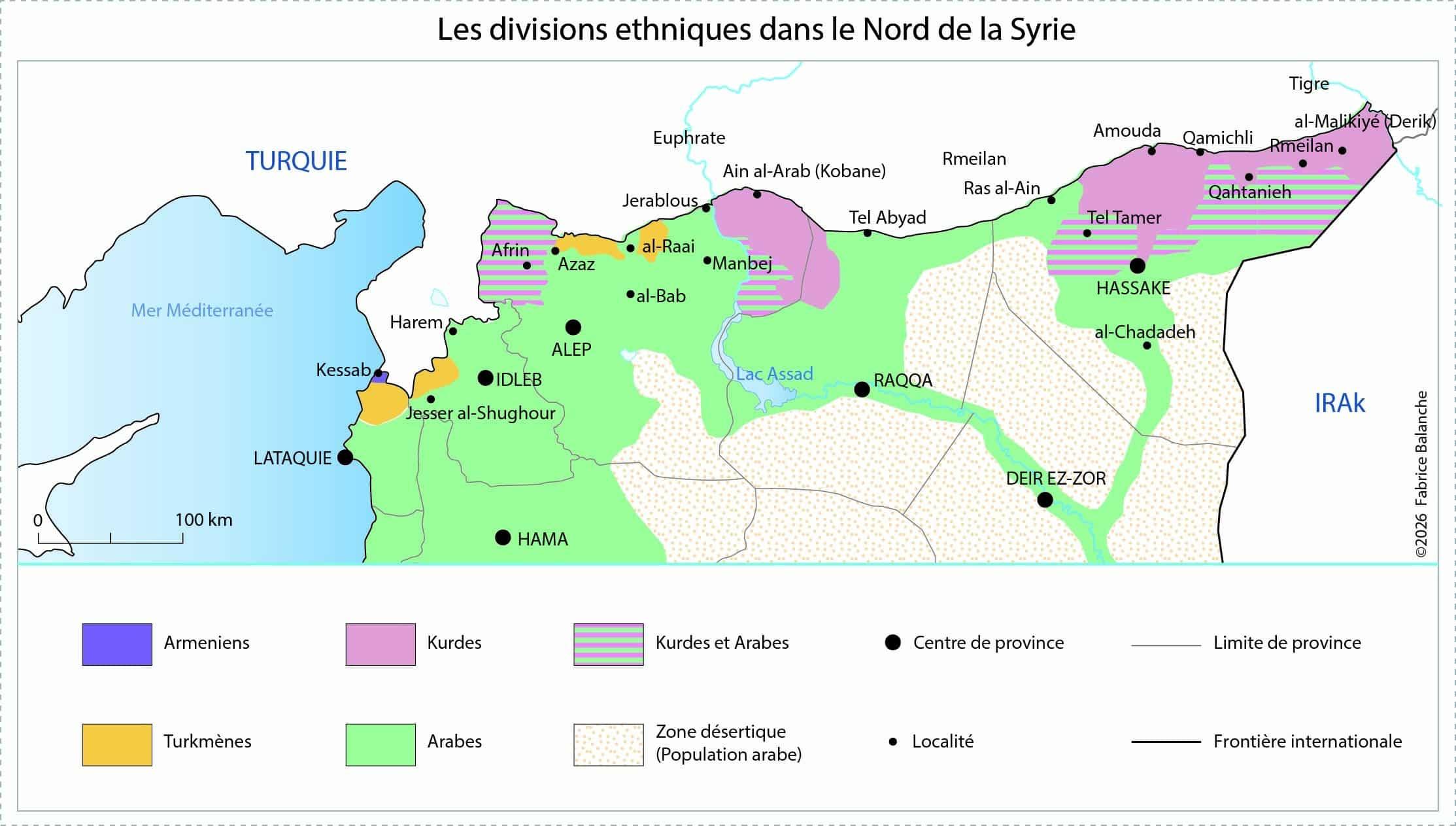
The dismantling of the AANES and the SDF had begun.
Türkiye insisted there be no state within the state nor separate armed forces.
Erdogan welcomed the decree but warned that the way forward for Syria is clear.
The integration was part of a broader effort to reassert central control over the northeast.
More on Syria
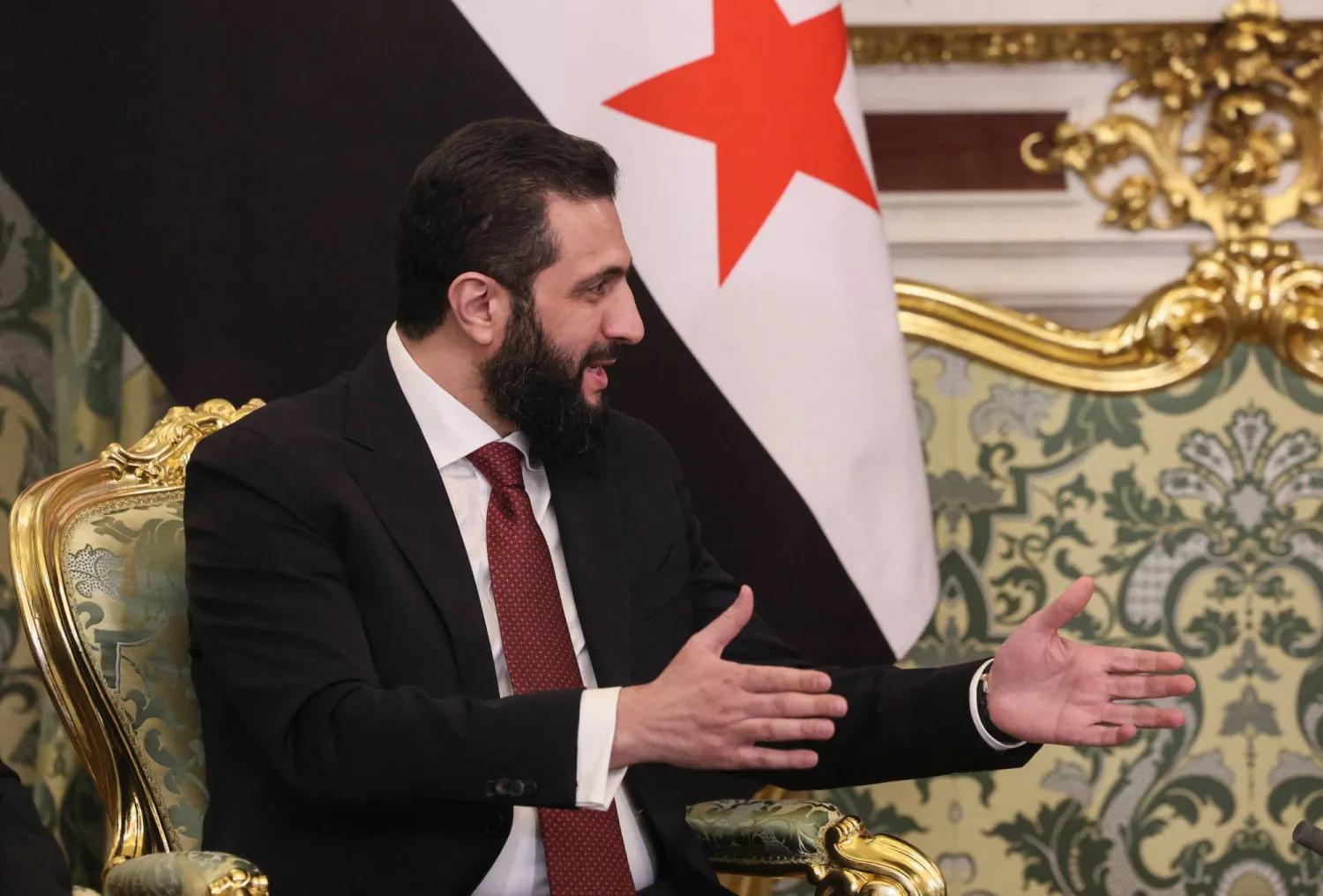
Ahmed al-Sharaa Meets SDF Leaders Mazloum Abdi and Ilham Ahmed To Complete Integration
14 sources compared

International Court Rejects Sudan's Genocide Case Against United Arab Emirates
11 sources compared
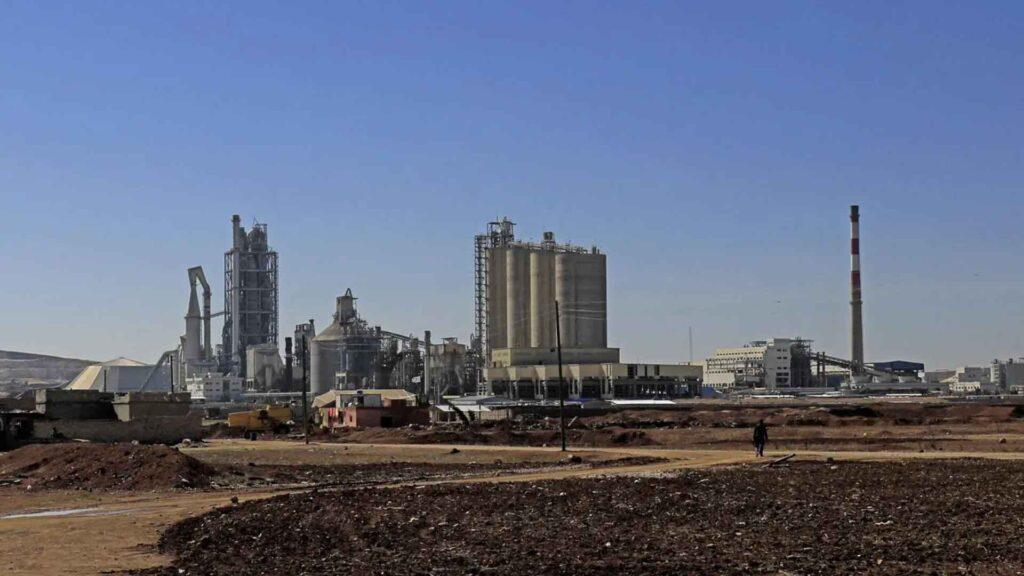
French Court Convicts Lafarge Of Financing ISIS To Keep Syrian Plant Operating
30 sources compared
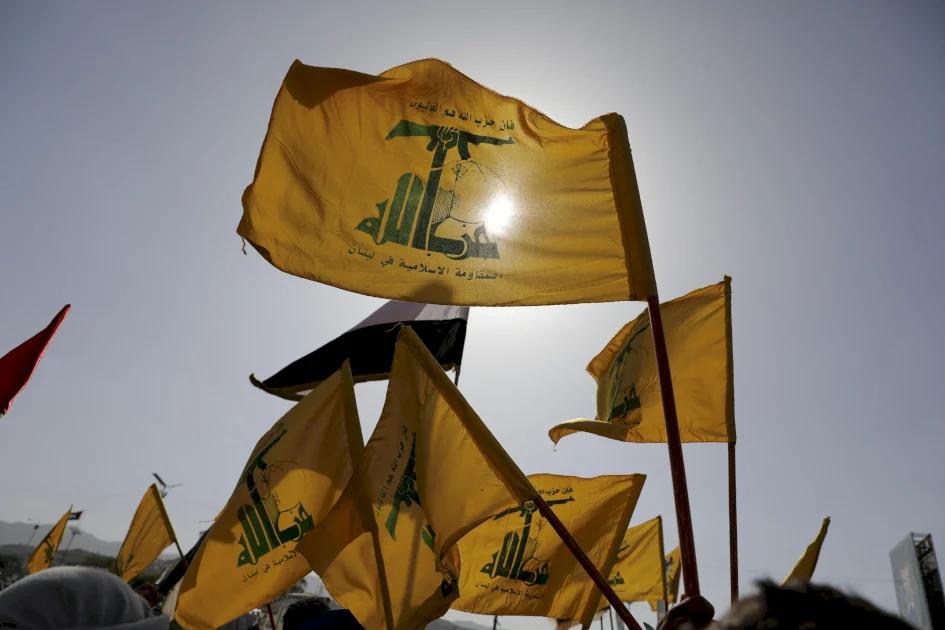
Hezbollah Denies Syrian Interior Ministry's Accusations of Damascus Assassination Plot
20 sources compared