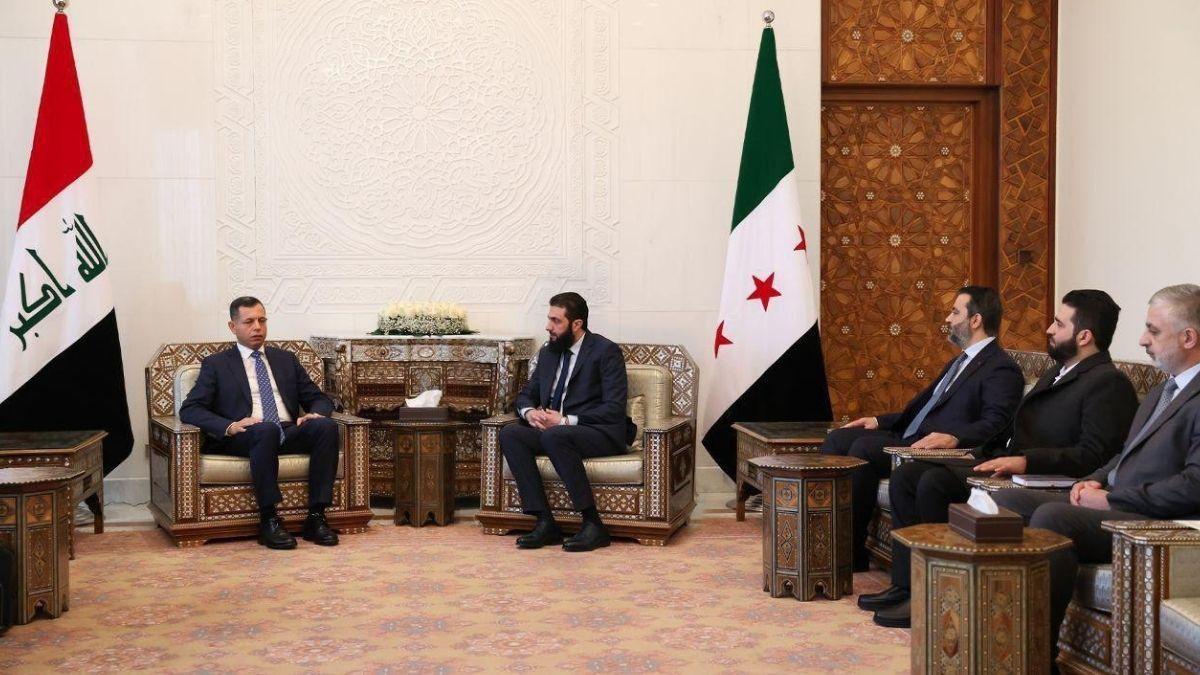
Syrian President Ahmad al-Sharaa Says Any Attack on Syria Will Be Met With Decisive Response
Key Takeaways
- Syria has no formal relations with Iran, al-Sharaa says.
- Any attack on Syria will be met with a decisive response.
- Syria seeks neutrality amid regional tensions.
Al-Sharaa’s Neutrality and Threats
Syrian President Ahmad al-Sharaa said in an interview at Chatham House in London that Syria does not have official relations with Iran, and that any attack on Syrian territory will be met with a decisive response.
“Syria, which has endured the devastation of war for many years, has emerged as one of the few pockets of calm amid the escalating regional conflict following the military confrontation between the United States and Israel on one side and Iran on the other”
In the same interview, al-Sharaa said Syria seeks to maintain its neutrality amid regional tensions and to weigh matters carefully to avoid any escalation.

He also discussed relations with Israel, asserting that attempts at dialogue had not yielded results due to sudden changes, while noting that he did not participate in Al-Qaeda's policies and did not agree with its beliefs.
On Syria’s future, al-Sharaa stressed adopting a new approach to avoid past mistakes, focusing on transitional justice and holding those who committed crimes to account, and he confirmed that the return of refugees is linked to reconstruction and establishing stability.
He explained that keeping weapons in the hands of the state and enforcing the law is a priority to ensure internal security, and he described the conversion of Russian bases in the country into training centers for the Syrian army.
On his trip to Europe, al-Sharaa said the meetings he held in Britain were productive for strengthening relations, and he affirmed that ties with Russia are historic, with his diplomatic moves between capitals reflecting the activity of Syria's foreign policy.
The visit is part of a tour that includes Germany, described as his first to both countries.
Damascus as a Corridor
Syria’s neutrality is also being presented by Syrian officials as a strategic asset in the regional war, with Damascus describing itself as a route for energy exports and a “bridge of safety.”
In a report carried by Al-Jazeera Net, the Associated Press is cited as saying Damascus has strengthened its relations with Arab states and the West through a firm commitment to neutrality since the outbreak of the confrontations.
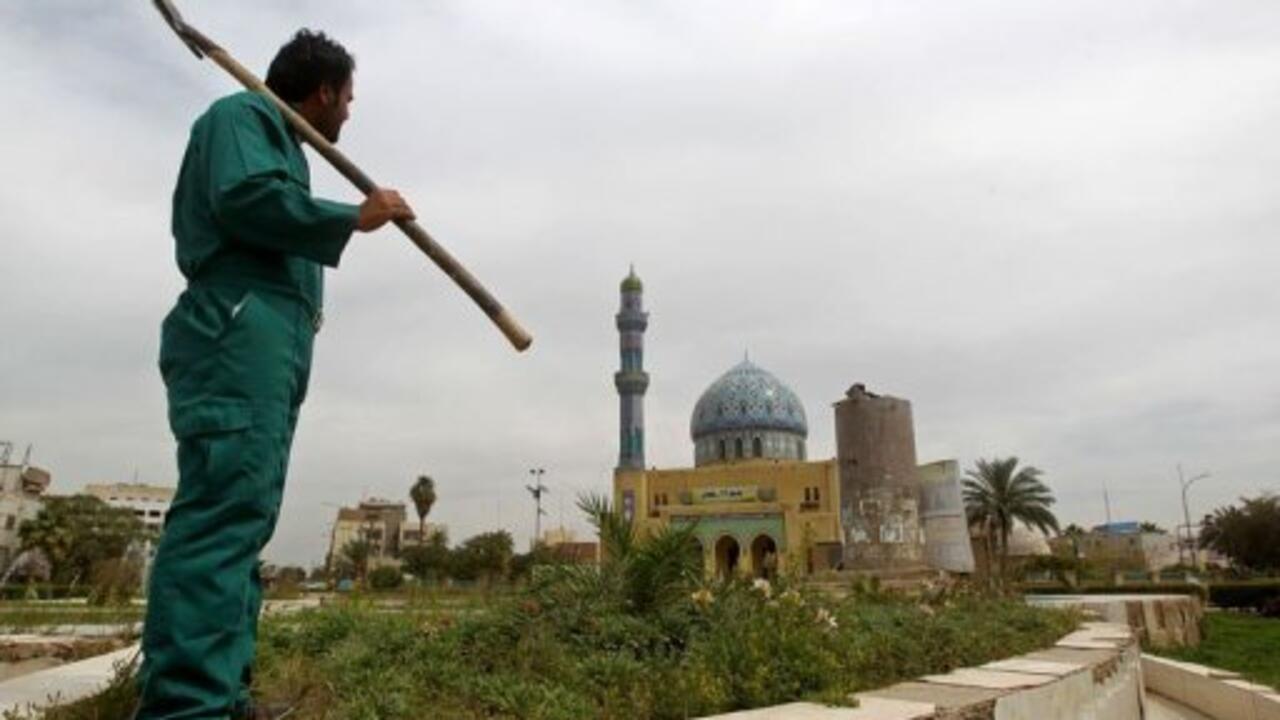
The report quotes عبيدة غضبان, an official in the Syrian Foreign Ministry, saying that his country has presented itself as a solution to the region's strategic crises and stressing that Syria has no interest in allying with either side of the ongoing war.
غضبان explained that oil shipments are now being moved by trucks from Iraq to Syrian territory and then shipped to European markets via the Syrian port of Banias on the Mediterranean Sea.
The report says this route is being used to bypass the Strait of Hormuz, which Iran has closed, making Syria “an alternative artery” that connects the region's energy resources to the heart of the European continent.
President أحمد الشرع is quoted as saying that “Syria, which was once a arena for others' conflicts, has today, by the will of its people and its institutions, chosen to be a bridge of safety and a fundamental pillar of the solution,” and he described his country as “the alternative and safe artery that links Central Asia and the Gulf to the heart of the European continent.”
The same report adds that Noah Bonsi, senior Syria adviser on Middle East affairs at the International Crisis Group, said Syria’s ability to maintain its neutrality owes partly to a “lucky timing,” including the reduction of the U.S. military presence in eastern Syria before the war with Iran began.
Iraq, PMF Rhetoric, and Border Lines
While Damascus projects neutrality, a separate thread in the region centers on Iraq’s Popular Mobilization Forces and how their stance toward Syria could affect Baghdad–Damascus relations.
“For decades, conflicts have followed one another in the Middle East without any real rupture”
Enab Baladi frames the issue as “Damascus-Baghdad relations in the crosshairs of the Popular Mobilization Forces,” describing a hawkish escalatory stance by the Iraqi Popular Mobilization Forces toward Syria emerging amid rising regional tensions and concurrent with the Israeli-Iranian war.
The article says the escalation was preceded by Syrian military movements along the borders with Iraq and Lebanon aimed at protecting its borders, and it describes intensive political contacts conducted by President Ahmad al-Sharaa with regional leaders, including the Iraqi president, to contain the war’s ripple effects.
It adds that as some elements and leaders of the Popular Mobilization Forces adopted sharp rhetoric toward the new Syrian regime, which has chosen a neutral stance regarding the Israeli-Iranian escalation, the Iraqi government was keen not to endorse this escalation officially.
Enab Baladi quotes political writer Durwish Khalifa, who told the outlet that the roots of the escalation go back to developments in Syria, with Iran’s regional branches viewing Syria as an adversary to its project and the new Syria moving out of Iran's strategic depth.
Khalifa also warned that there are attempts to heat the borders between the two sides and that may push matters to the brink of the abyss between the two countries, adding that opening new fronts could reflect on the Syrian interior and reignite the conflict again.
In contrast, Iraqi analyst and political researcher Mohammed Nasser Turki offered a different reading focused on security, saying Iraq seeks to protect its lands and safeguard its borders with Syria, especially since the border stretches for more than 600 kilometers.
Turki argued that the tone of some Popular Mobilization Forces elements cannot be treated as an escalation between Iraq and Syria, and that those who hold the borders are the Border Police and the Ministry of Defense, not the Popular Mobilization Forces.
Turkey’s Neutrality and Article 51
Turkey’s position in the same regional confrontation is described as a balancing act between deterrence and diplomacy, with Ankara trying to avoid direct involvement in a conflict it says does not serve its interests.
In a piece carried by ترك برس, the outlet says Ankara pursues a prudent neutral stance and seeks to avoid direct involvement in a conflict that does not serve its interests, while regional and international pressures increase and indicators of security provocations at its borders recur.
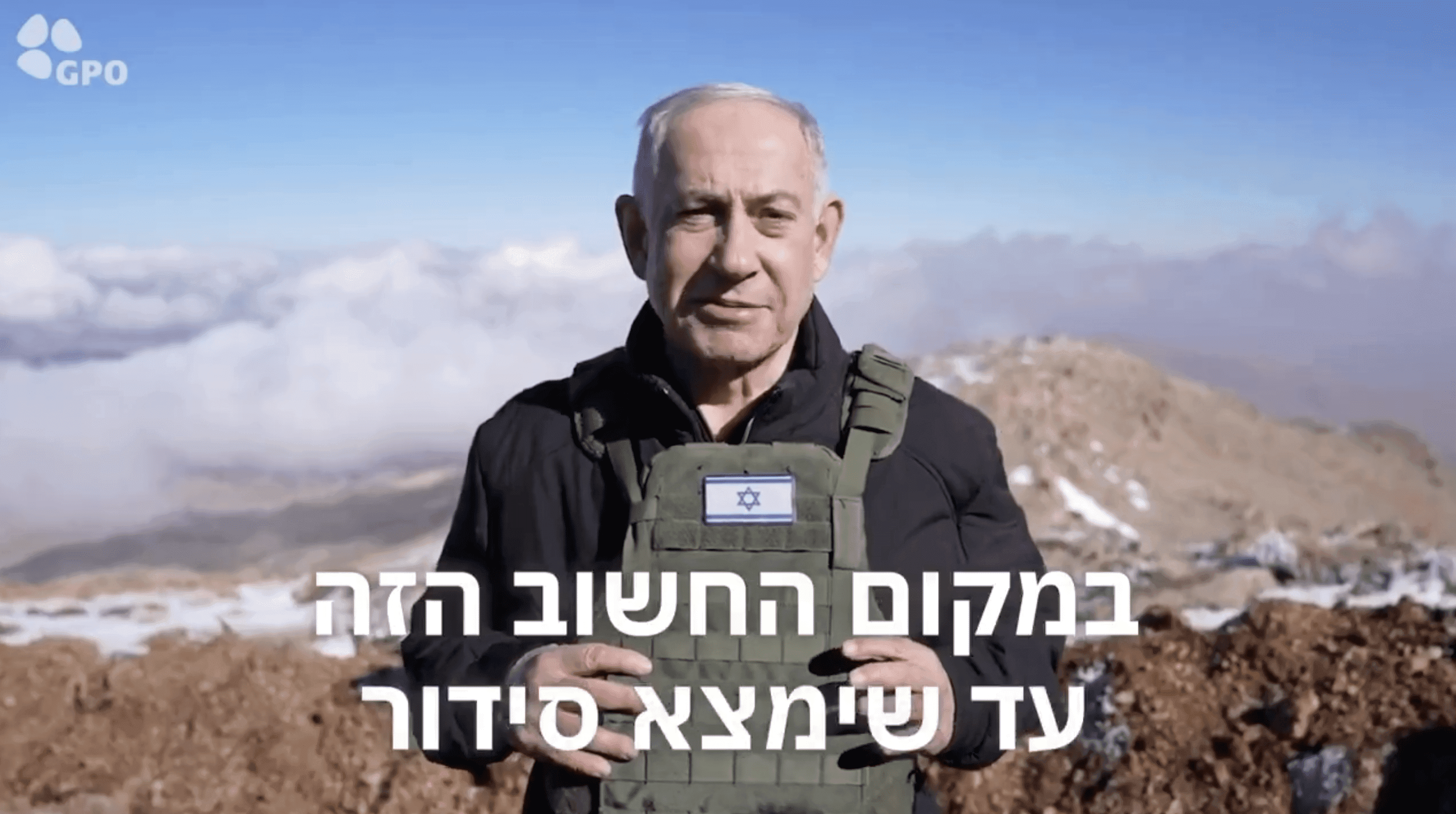
The article says Turkish neutrality in the war against Iran is “no longer merely a temporary tactical option; it has become a tool” that grants Ankara a wide margin to maneuver between military deterrence and active diplomacy.
It describes a scenario after “the second missile toward its territory,” presenting three possibilities: a limited military response, adherence to the neutral approach, or an attempt to turn the scene into an opportunity to activate mediation efforts in coordination with a number of active capitals.
The piece says Tehran has attempted to distance itself from missile strikes launched from within its territory toward the Turkish border, but it adds that Ankara’s messages did not exclude the possibility of a limited response under Article 51 of the UN Charter, or collective action with NATO partners under the umbrella of Article 5 of the alliance.
The article also states that Tel Aviv believes Turkey’s involvement could yield more than it wants, “toward widening the confrontation and altering military balances, and planting a ticking bomb in the bosom of both Ankara and Tehran alike.”
It further says that Tehran recognizes that any Turkish slide into direct confrontation could speed up a military settlement and would not serve its interests and calculations, and it warns of “heavy repercussions for its relations with the two countries and for the region’s already fragile equations.”
The overall framing is that Turkey’s ability to read power balances and anticipate opponents’ moves gives it the chance to use every, leaving the article’s final sentence truncated.
Community Fault Lines and Fragile Calm
Beyond state-to-state neutrality, the sources also describe how Syria’s internal fault lines could re-emerge as external pressures shift, including tensions between Druze and Bedouin communities in southern Syria.
“Between Iran and Saudi Arabia”
In an interview published by The Conversation, political scientist Thomas Pierret says the main settlement area of the Druze in Syria is the Soueïda region, while Druze are also found on the Golan plateau and in an isolated Druze village in the Idlib region.

Pierret says that in the 1960s, purges occurred within the Syrian army that notably targeted a large portion of Druze officers, and he notes that the purge mainly benefited officers from the Alawite community, including Hafez al-Assad.
He describes a “third way” or neutrality stance in Soueïda during the war that began in 2011, manifested in the formation of armed groups including the “Men of Dignity,” which refused both to support the rebellion and to join the regime’s paramilitary forces.
Pierret says the founder of the Men of the Dignity, Wahid al-Balous, was assassinated in 2015, “presumably by elements of the regime,” illustrating the complexity of Druze relations with the former power.
He adds that in 2018, with Russia’s help, the Assad regime regained control of southern Syria with the exception of the Soueïda region, which retains quasi-autonomous status as its self-defense groups remain armed, partly due to Israel’s tacit opposition to a central power offensive in this region.
Pierret explains that in 2024, during the collapse of the Assad regime, different Druze groups position themselves differently, with al-Hijri defending regional autonomy with a firm stance against Damascus and rejecting limited forms of decentralization proposed by the new regime, while other groups such as Laith al-Balous’s or Ahrar al-Jabal adopt a more conciliatory posture.
The interview also notes that the new government relies on more loyal factions to form a Druze local security force, distinct from fighters close to al-Hijri.
More on Syria
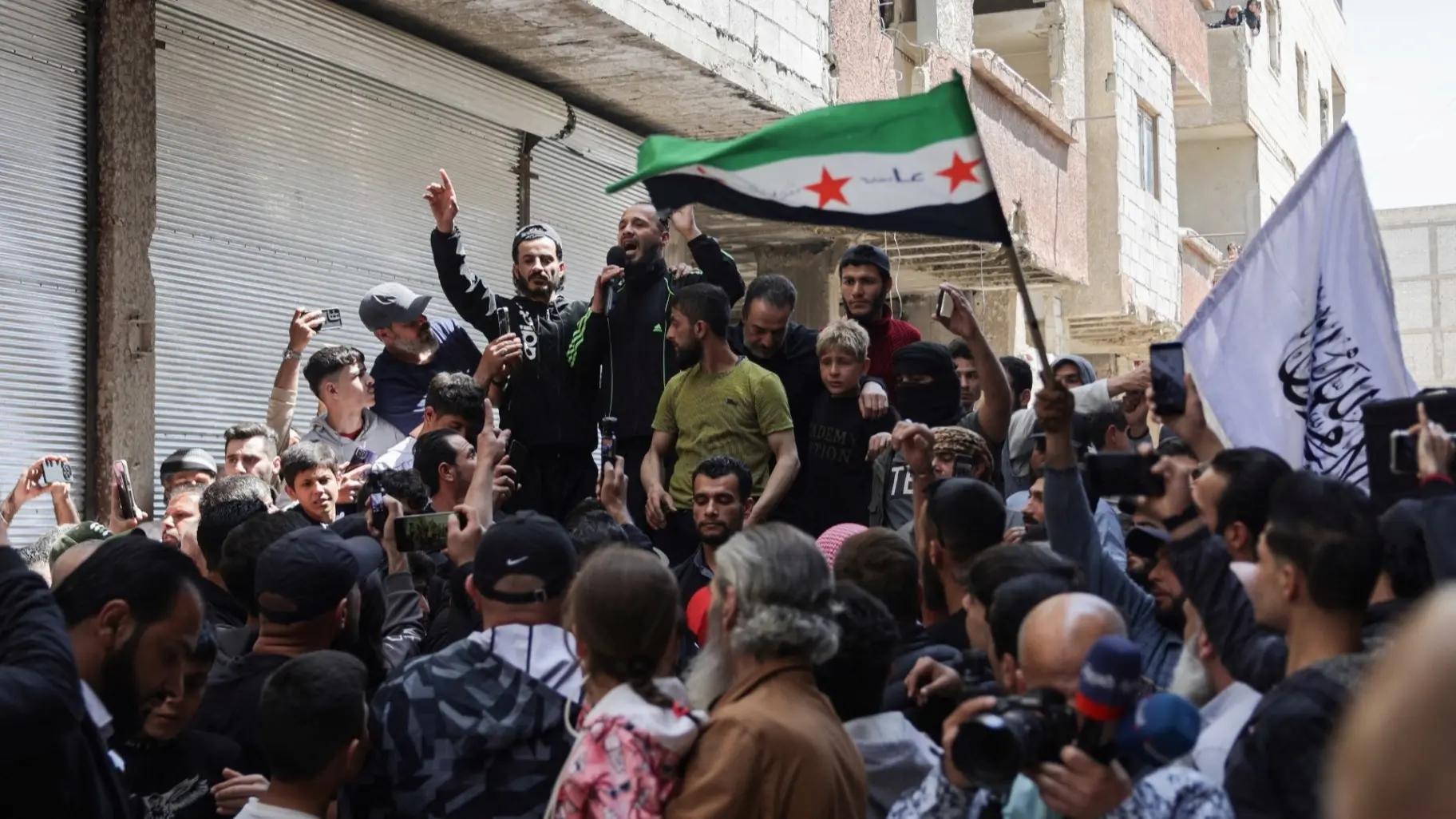
Syrian Commission Prepares War Crimes Charges Against Fadi Saqr Over 2013 Tadamon Massacre
90 sources compared
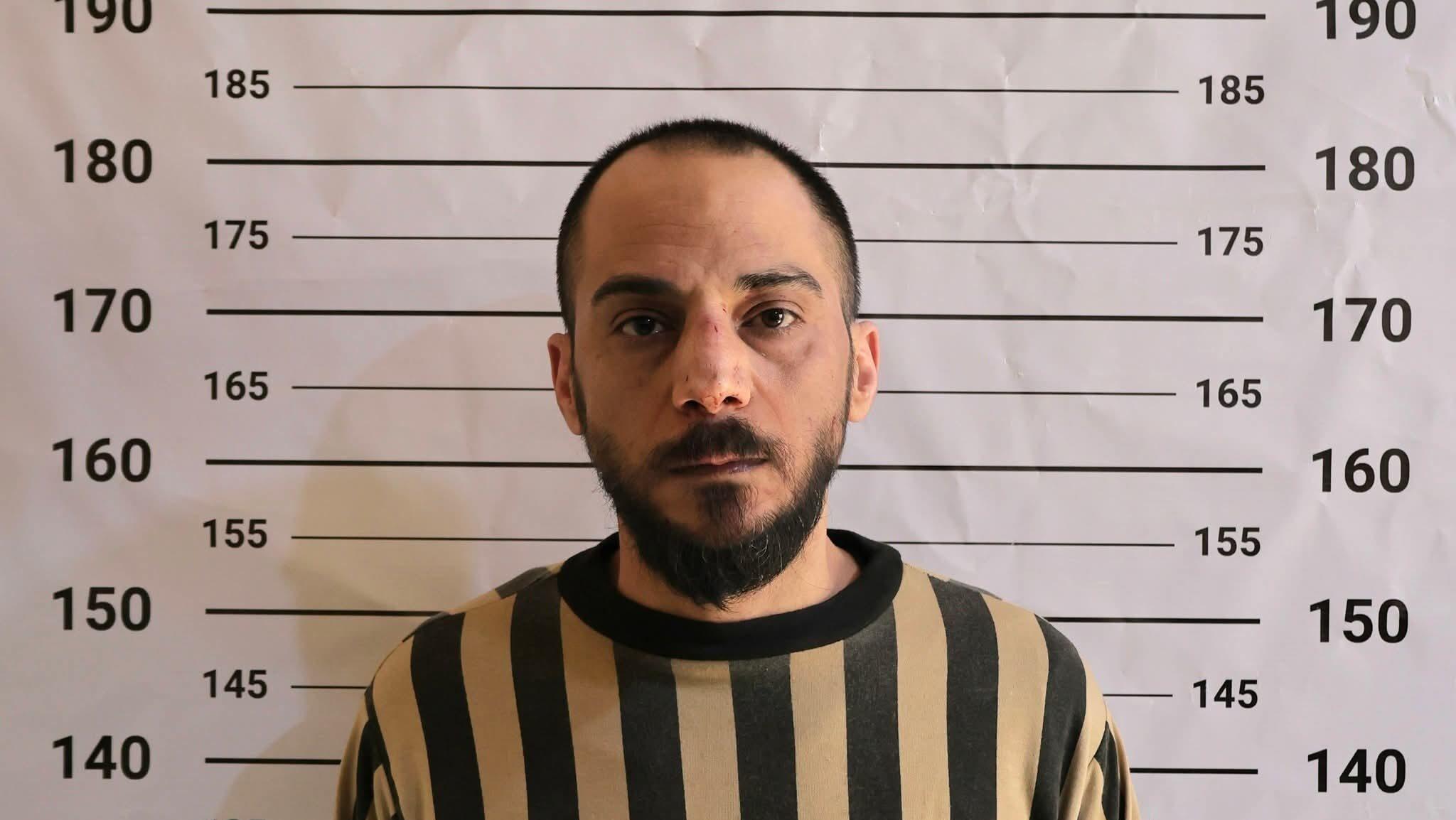
Syrian Authorities Arrest Amjad Yousef, Main Suspect in 2013 Tadamon Massacre
58 sources compared

FBI, House Oversight Committee Probe Deaths and Disappearances of U.S. Nuclear, Aerospace Scientists
13 sources compared

Damascus And SDF Hold Consultations To Implement January Agreement In Hasakeh
11 sources compared