Syria25 November, 20253 min read
Syrian Regime Warns of Sectarian Strife After Coastal Protests Demand Decentralization
This article is an automated aggregation of coverage from news outlets. Our editorials offer in-depth analysis curated by the NewsCord team.
Tens of thousands of Alawites protested across Latakia, Tartus, parts of Hama and Homs Protesters demanded detainees' release and decentralization or federalism
5 outlets told this the same way.
Outlets did split on Asad Al-Shaibani Meets Saddam Haftar in Benghazi Over Syrian Consulate And Missing Syrians →
Northwestern Syria protests
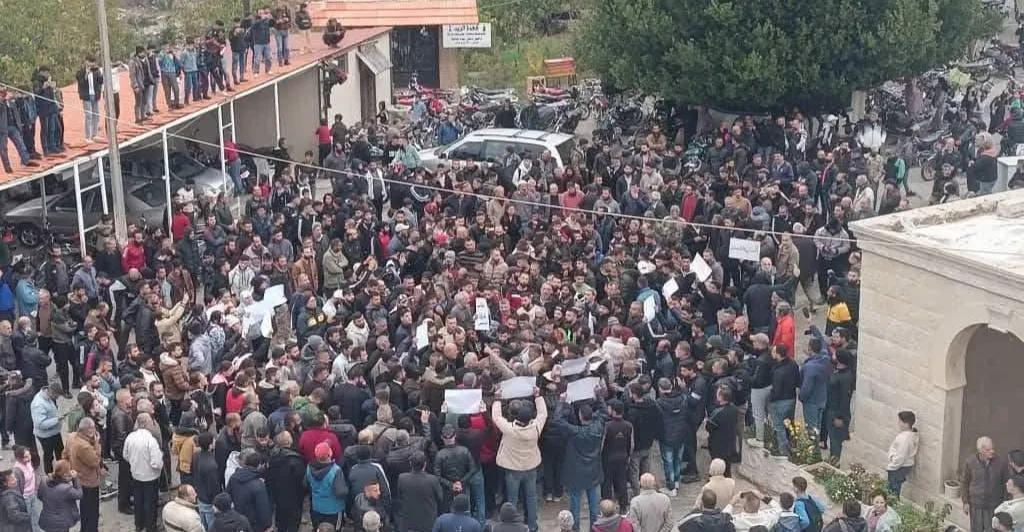
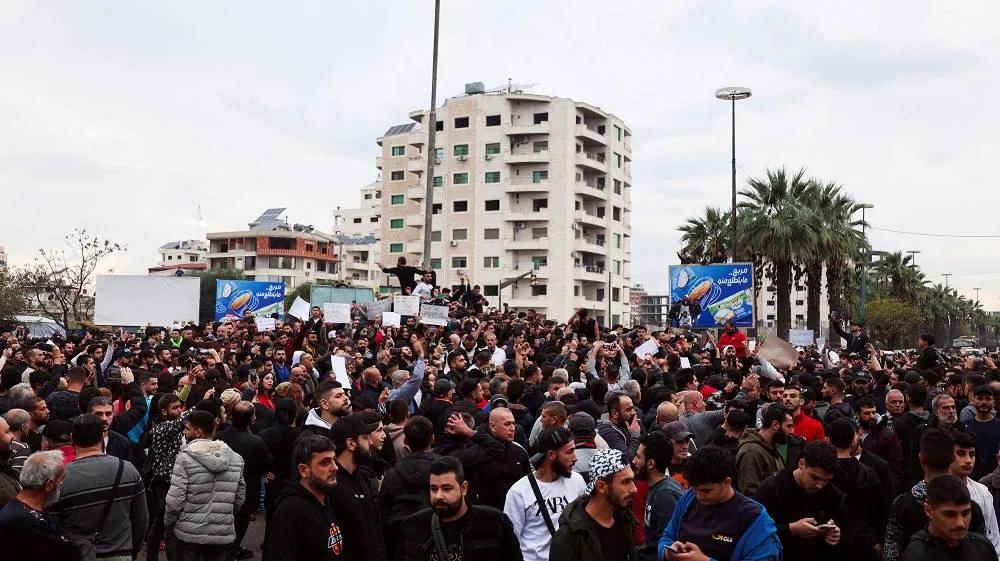
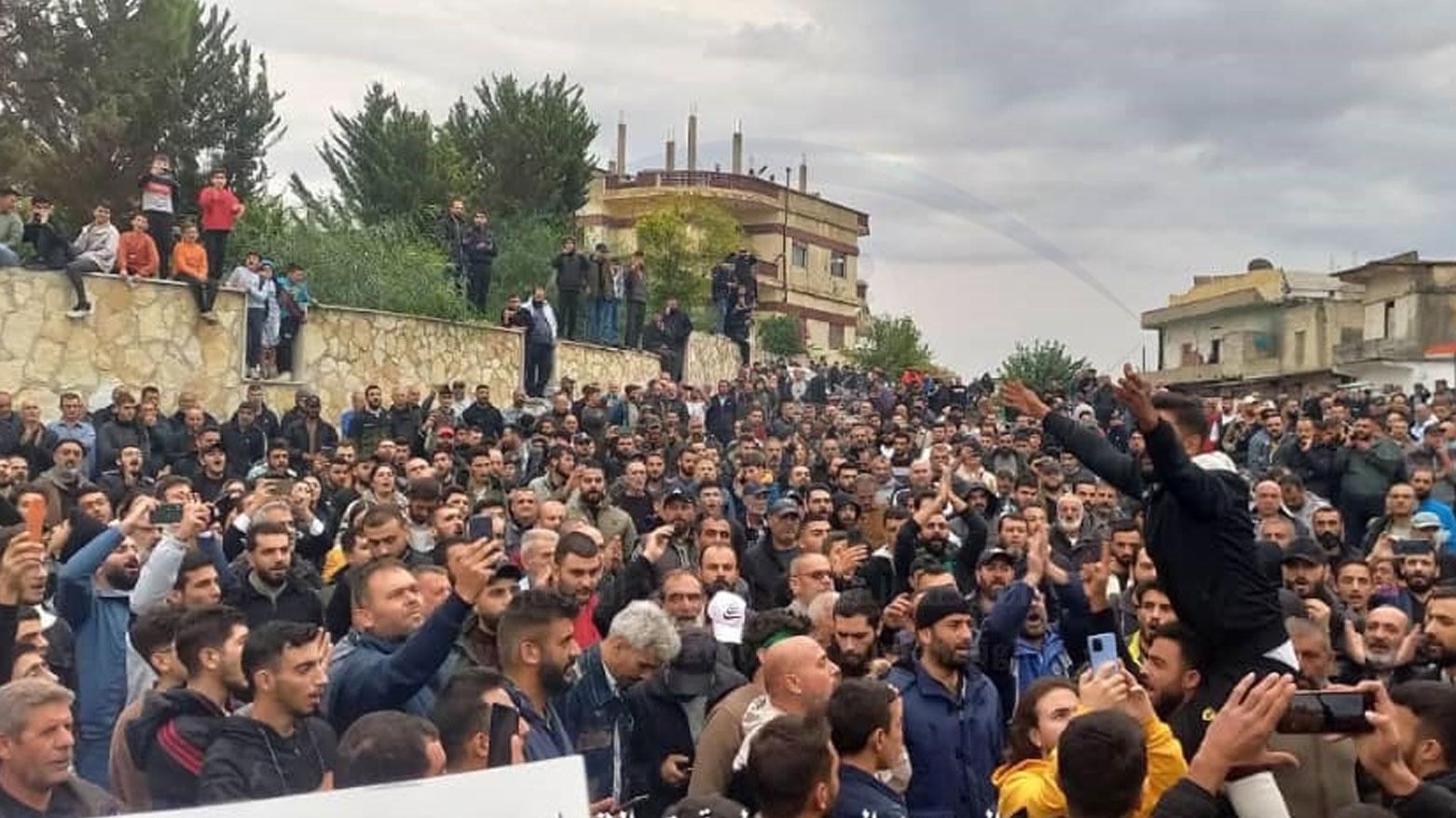
On 25 November demonstrations and sit-ins spread across Syria’s coastal and nearby inland northwestern areas—chiefly in Latakia and Tartus, parts of western Hama and the al‑Ghab Plain—driven by appeals from Alawite figures and community leaders calling for decentralization and protection of Alawite rights. Protesters gathered in main squares and neighbourhoods including Baniyas’s al‑Qusur, Jableh, Qardaha, Safita, Dreikish and Sheikh Badr, chanting slogans demanding an end to killings, the release of detainees and administrative decentralization. The Interior Ministry deployed Internal Security and urged Syrians not to heed what it called foreign calls, while government-linked sources warned of attempts by foreign-linked parties to exploit minorities and predicted security threats.
“On 25 November 2025, demonstrations and sit-ins took place at midday across coastal and nearby inland areas of northwestern Syria — chiefly in Latakia and Tartus provinces, parts of western Hama and the al-Ghab Plain.”
Alawite protests and demands
Participants carried placards demanding protection of Alawites' safety and dignity, limits on uncontrolled weapons, and the release of detainees held after the fall of the former regime. Many demonstrators explicitly called for federalism or administrative decentralization as a political solution. Enab Baladi lists specific slogans and the squares and neighbourhoods where demonstrators assembled.
Asharq Al-Awsat attributes the mobilization to Alawite leaders such as Ghazal Ghazal and frames the demands within a call for decentralized rule. The Supreme Alawite Islamic Council's public positions, reported by multiple outlets, criticised perceived exclusionary policies and called for federalism to protect rights.
Divergent reports on violence
Shafaq News reported clashes with government supporters, live fire in Jableh, and detentions in Homs after a deadly incident that heightened sectarian tensions. It also cited the Syrian Observatory for Human Rights saying state security fired live rounds and used vehicles to ram crowds. By contrast, Asharq Al‑awsat quoted Interior officials who described security deployments as maintaining order, said talks with Homs residents were "fruitful and positive," and reported no attacks.
“Live fire was reported in Jableh and security forces detained several people in Homs after a deadly incident there that has heightened sectarian tensions.”
Enab Baladi recorded that Internal Security units were deployed to secure gatherings and prevent incidents "that could be exploited by actors who promote chaos," providing a middle-ground account noting both deployments and the risk of exploitation. These different emphases produce conflicting impressions about whether the day's main story was peaceful protest, tense confrontations, or preventive security action.
Claims on protest origins
Authorities and other sources attributed the mobilization to different actors. Asharq Al‑awsat quotes government‑linked sources warning that foreign‑linked parties are exploiting minorities and predicting actions by ISIS cells and deliberate rioting. Interior Ministry spokesman Noureddine al‑Baba stressed the state as the guarantor of Syrians’ demands.
شفق نيوز relays security sources saying some mobilization was driven by appeals from ex‑regime‑linked figures abroad, including Kamal al‑Hassan, who is accused of promoting an 'Alawite region'. It also notes local divisions over chants calling for the release of controversial figures such as Wasim al‑Assad.
Enab Baladi foregrounds the call by Sheikh Ghazal Ghazal and the Supreme Alawite Islamic Council as organisers. These differing attributions shape whether the protests are framed as grassroots community mobilisation, manipulation by external actors, or an amalgam of both, and sources choose which explanation to highlight.
Coverage of contested events
Taken together, the coverage shows a contested scene of protests, with demonstrators pressing for decentralization, detainee releases, and arms control. Security forces and officials emphasize preventing sectarian strife and attribute risk to external actors. Other outlets document clashes and detentions that signal local tensions.
“Slogans and placards demanded an end to killings, protection of Alawites’ safety and dignity, ‘federalism’/administrative decentralization, release of detainees...”
The sources differ in tone, with Enab Baladi providing detailed protest reporting, Asharq Al‑awsat focusing on government reassurances and warnings, and شفق نيوز emphasizing violence and division. None of the outlets provides a single, independently verified chronology of events.
Where accounts conflict, notably on live fire and whether attacks occurred, the sources largely relay others' claims from officials, SOHR, and security sources. They rarely present independently corroborated evidence, which makes the overall picture ambiguous and contested.