Syria08 December, 20252 min read
Syrian Resistance Celebrates First Anniversary of Overthrowing Assad
Syrians across major cities held parades, fireworks, and flag-waving for the one-year anniversary Bashar al-Assad fled Damascus on Dec 8, 2024; opposition leader Ahmed al-Sharaa seized power
14 outlets told this the same way.
Outlets did split on France Suspends Police Stun Grenades at High School Protests After 15-Year-Old Loses Hand →
Syria: Liberation Day anniversary
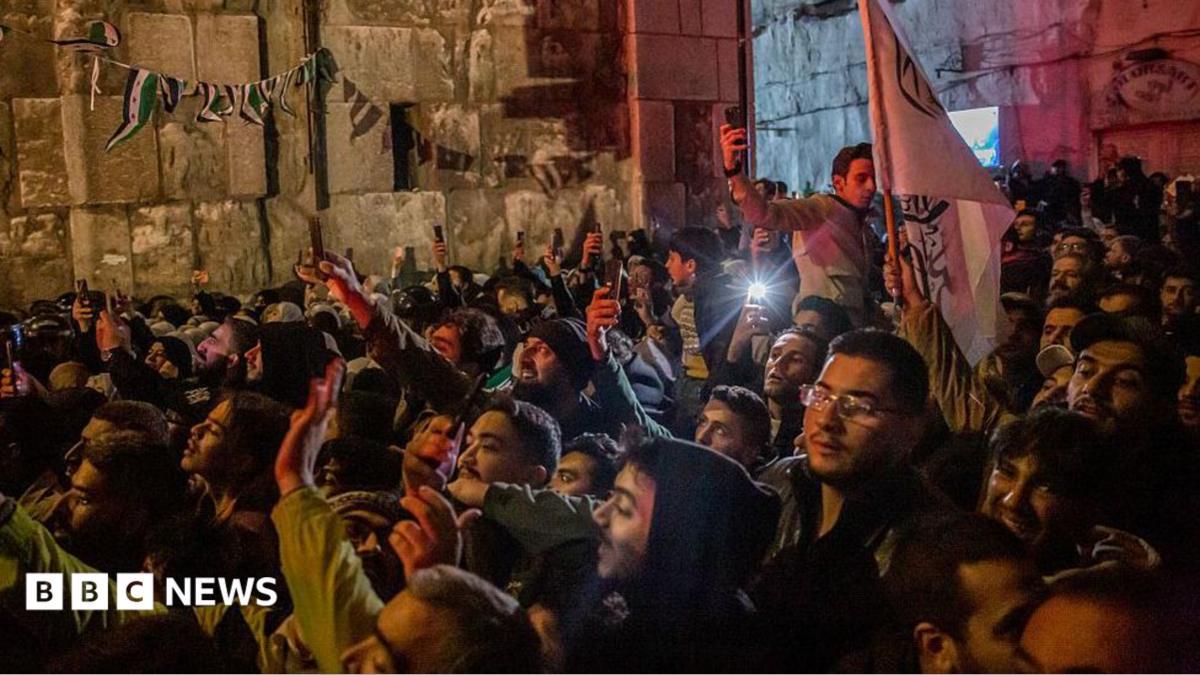
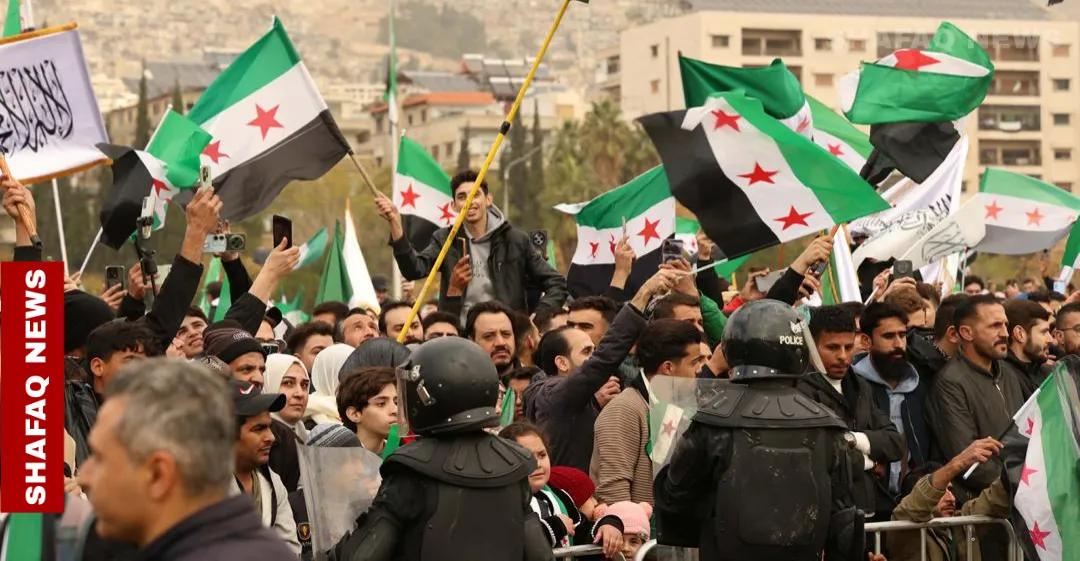
Syrians marked the first anniversary of the overthrow of Bashar al-Assad with widespread public celebrations across cities. There were major symbolic moments in Damascus, even as the new interim leadership moves to consolidate authority. Reports describe streets filled with dancing, fireworks and flags as thousands celebrated what many called 'Liberation Day' after more than a decade of war.
“Syria erupted in celebrations marking the first anniversary of the fall of Bashar al-Assad, with people dancing, lighting fireworks and waving flags after more than 13 years of war.”
Outlets say Assad fled Damascus for Moscow as opposition fighters led by Ahmed al-Sharaa entered the capital. Prisons were opened, prisoners freed, and exiles returned without fear of arrest.

The new interim president, variously named Ahmed al-Sharaa or Muhammed al-Sharaa in different reports, has appeared in mass gatherings, including at the Umayyad Mosque. He has framed the moment as a decisive break from the previous regime.
Security and national unity
Alongside jubilation, multiple sources report outbreaks of sectarian violence and incidents that have left communities fearful and demanding guarantees. Western mainstream reporting highlights severe incidents — the BBC reports that in March some 1,400 Alawites were massacred, including hundreds reportedly by forces aligned with the interim government, and attacks on Druze communities in July — and both Al Jazeera and BBC say these violence episodes have fed anxieties about security and minority protection. Simultaneously, the new leadership has stressed a narrative of national unity: anniversary speeches by al‑Sharaa condemn the old regime and promise inclusion and a break with past repression, an effort described as part of building a 'statesmanlike image' and seeking international support.
Reactions to Syrian anniversary
Regional and international reactions are mixed, with several Arab states and Turkey offering public congratulations even as Western caution remains. Turkey's Foreign Ministry and other Turkish outlets praised the anniversary as 'Freedom Day' or 'Liberation Day' and congratulated the Syrian people while acknowledging 'numerous challenges' and signalling continued diplomatic engagement.
“Turkey's Foreign Ministry marked Dec. 8 as the first anniversary of Syria's ‘Freedom Day,’ congratulating the Syrian people on their ‘Liberation Day’ and acknowledged the Syrian government's progress over the past year despite significant challenges.”
The New Arab and kurdistan24 reported messages from Qatar, Saudi Arabia, the UAE and Jordan, as well as from US Syria envoy Tom Barrack. Tom Barrack wrote on X that Syria has been given 'a new chance for peace, unity, and prosperity', a sign of regional recognition and diplomatic openings even as some Western policymakers and commentators remain circumspect about sanctions and future ties.
Reconstruction and reintegration plans
The interim leadership has articulated reconstruction and reform plans but faces deep structural obstacles. Reporting from Kurdistan24 summarises al-Sharaa's five-part plan, which calls for a strong national governance reengaged regionally and internationally. The plan also prioritises economic revival through strategic partnerships, security-sector reform to integrate armed formations into a professional national army, and transitional justice including accountability.
Regional statements from Ankara praised lasting steps toward reintegration while acknowledging ongoing insecurity, economic devastation and a continuing humanitarian crisis. Analysts and many Syrians remain sceptical about translating pledges into durable stability given the scale of destruction, displaced populations and the continuing presence of armed groups.