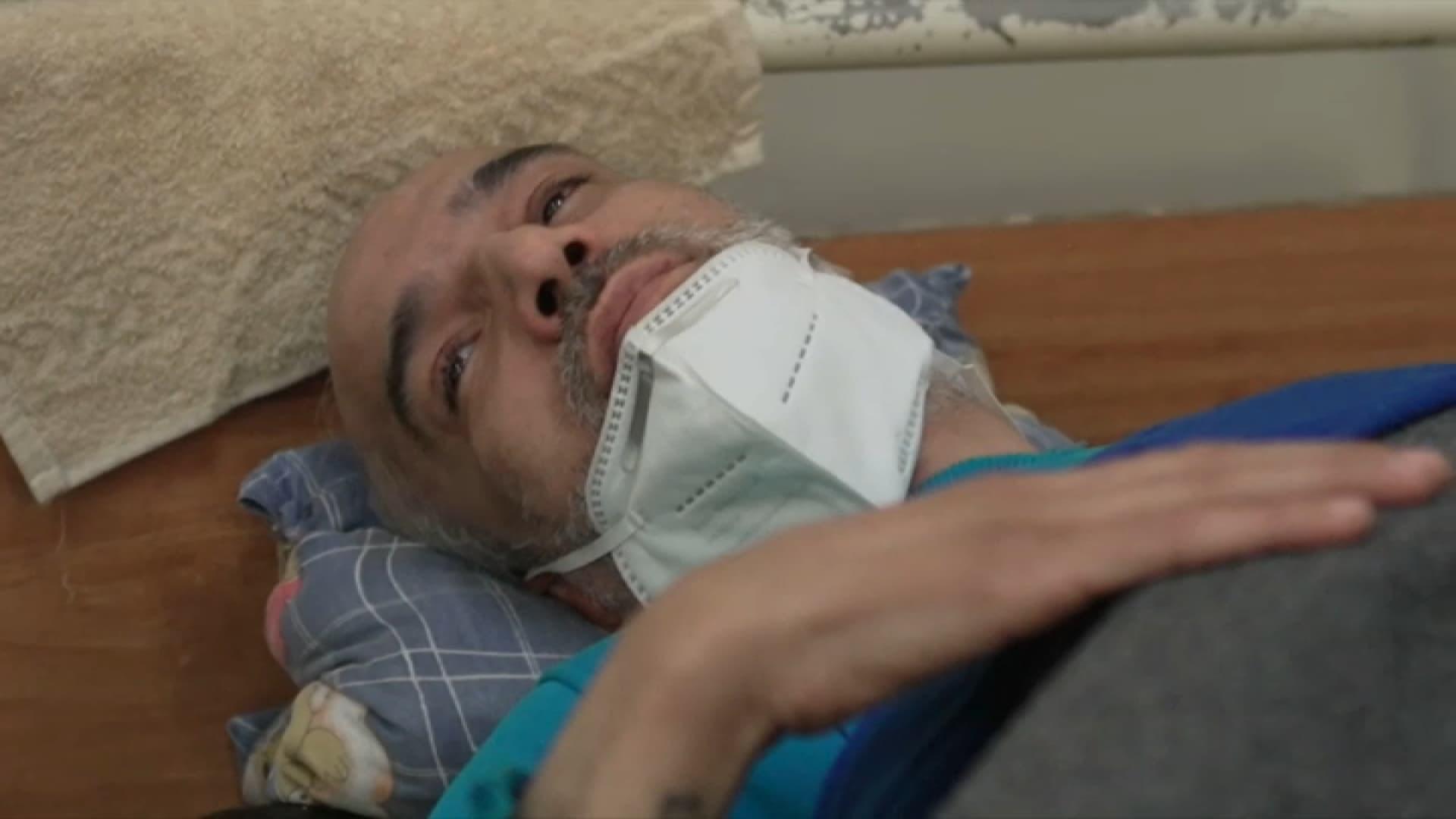
Syrian Security Authorities Tortured Detainees at Tishreen Military Hospital, Survivors Say
Key Takeaways
- Survivors allege torture and killings by Syrian security authorities in detention facilities.
- Experiences include physical and psychological torture and executions across Saydnaya prison and other sites.
- Accounts depict a systemic pattern of abuse across multiple detention sites rather than isolated cases.
Torture at hospitals
Asharq Al-Awsat described testimonies from survivors of 'deliberate eliminations' carried out against detainees who opposed the regime at Damascus's Tishreen Military Hospital and other military hospitals during the years of the Syrian uprising, with the most notorious method being 'neck-breaking.' The report says Syrian security authorities have detained dozens under investigation in connection with those crimes, while most of the officials responsible and perpetrators remain at large, and it adds that the Syrian Network for Human Rights said its data indicate organized networks of doctors, nurses, and security officers involved, including organ removal and direct killing.
“Arrested in 2004 for smuggling, Mehmet Ertürk, 53, has just been released from prison”
It places the largest medical complex, Tishreen Military Hospital, in Barzeh in northeastern Damascus, saying it opened in 1982 and housed more than 36 departments and specialized clinics, with modern equipment especially for dialysis, and a staff of around 1,600 doctors, nurses, administrators, and guards.
Asharq Al-Awsat also quotes Col. Mohamed Mansour Ammar, who says he was transferred to Tishreen Hospital six times and recalls that each time about 20 detainees were transferred but no more than three survived, describing the executions as carried out by Military Police detachment members who would pick ten detainees each day.
The account further says Dr. Mahmoud Rahban was arrested on charges of 'financing terrorist acts,' referred to the Terrorism Court, placed in Sednaya Prison, and after 75 days of detention was released by a decision of 'refusal to prosecute for lack of evidence' after he paid large bribes to investigators and the investigating judge for release.
Saydnaya releases and lists
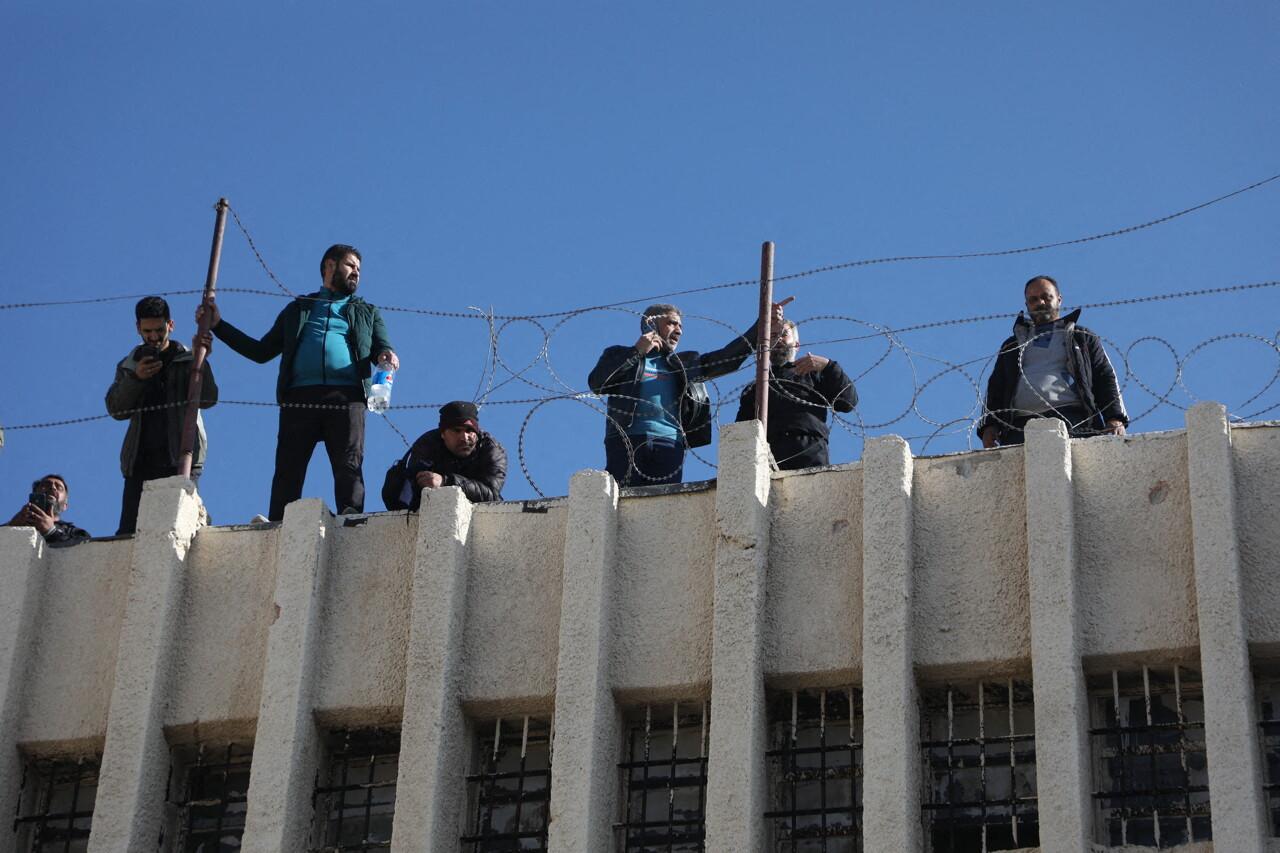
BFM says that on Sunday, December 8, a few hours after Bashar al-Assad's regime had been overthrown by Islamist rebels, they opened the doors of Saydnaya prison, located about thirty kilometers north of Damascus, where torture and summary executions were commonplace.
Inside, BFM quotes Imad Jamal, who says, "They broke my back," and adds, "They whipped us, they walked on us with their boots," describing his tuberculosis treatment at al-Nafis Hospital in Damascus.
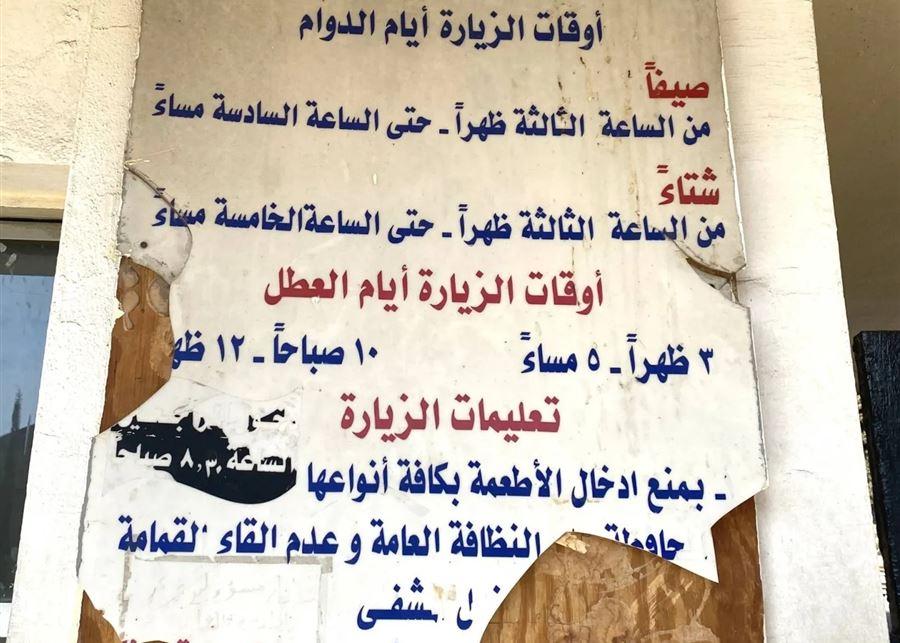
BFM reports that thousands of families rushed to hospitals after the rebels opened the doors of Saydnaya, where the list of prisoners and their photos are posted at the entrance, and it says Omar, Imad's son, told the outlet, "If I knew who they were, I would kill them."
In parallel, Actu.fr describes Mehmet Ertürk, 53, released from the Palestine Branch, a Damascus prison where he spent part of his nearly twenty-one years in detention, and it quotes him telling AFP, "It was torture on top of torture."
Actu.fr also says Mehmet Ertürk rejoined his village of Magaracik on Monday evening, ten minutes from the Syrian border across fields, and it reports that his family had thought he was dead while he was convicted of fifteen years' imprisonment.
Survivors demand accountability
Al-Jazeera Net frames former Syrian detainees' testimonies in connection with World Day in Support of Torture Victims and says the survivors called for transitional justice and accountability for those responsible for abuses in prisons including Sednaya.
“In parallel with World Day in Support of Torture Victims, former Syrian detainees gave moving testimonies, recounting details of years of detention in the regime's prisons, especially Sednaya Prison, speaking about physical and psychological torture, executions, poor health conditions, and extortion”
One detainee tells Al Jazeera Mubasher that the effects still haunt him after release, saying, "He is still unable to sleep normally," and another describes torture methods, saying the prolonged hanging known as the Ghost was the hardest, adding, "the hardest thing after killing is the ghost."
The testimonies also describe conditions and alleged killings tied to health deterioration, with one detainee recalling that wardens words implied "take him we lack some items," and another saying, "we drank sewage water," while adding that cholera spread there from contaminated food and lack of food.
Al-Jazeera Net says the regime of the ousted President Bashar al-Assad ran a network of detention centers, including more than 100 public centers and an unknown number of secret centers, and it adds that the abuses were documented by a report of the Independent International Commission of Inquiry on the Syrian Arab Republic.
It further reports that the detainee who was arrested in February 2020 after a raid on his home in Moadamiyah al-Sham with his father described being moved between the Fourth Division, the Khateeb Branch, the State Security Administration, and the Military Police before being transferred to Sednaya Prison.
More on Syria

Iraq and Syria Dismantle International Drug Network, Seize 200 Kilograms in Homs and Deir ez-Zor
14 sources compared
Russia Discusses Possible Restructuring of Tartus and Khmeimim Bases With Damascus
11 sources compared
Marco Rubio Ends Tom Barrack’s US Special Envoy Mandate for Syria
11 sources compared
Ahmed al-Sharaa Visits Deir Ezzor After Euphrates Floods Displace Thousands
18 sources compared