Full Analysis Summary
Syria decree on Kurdish rights
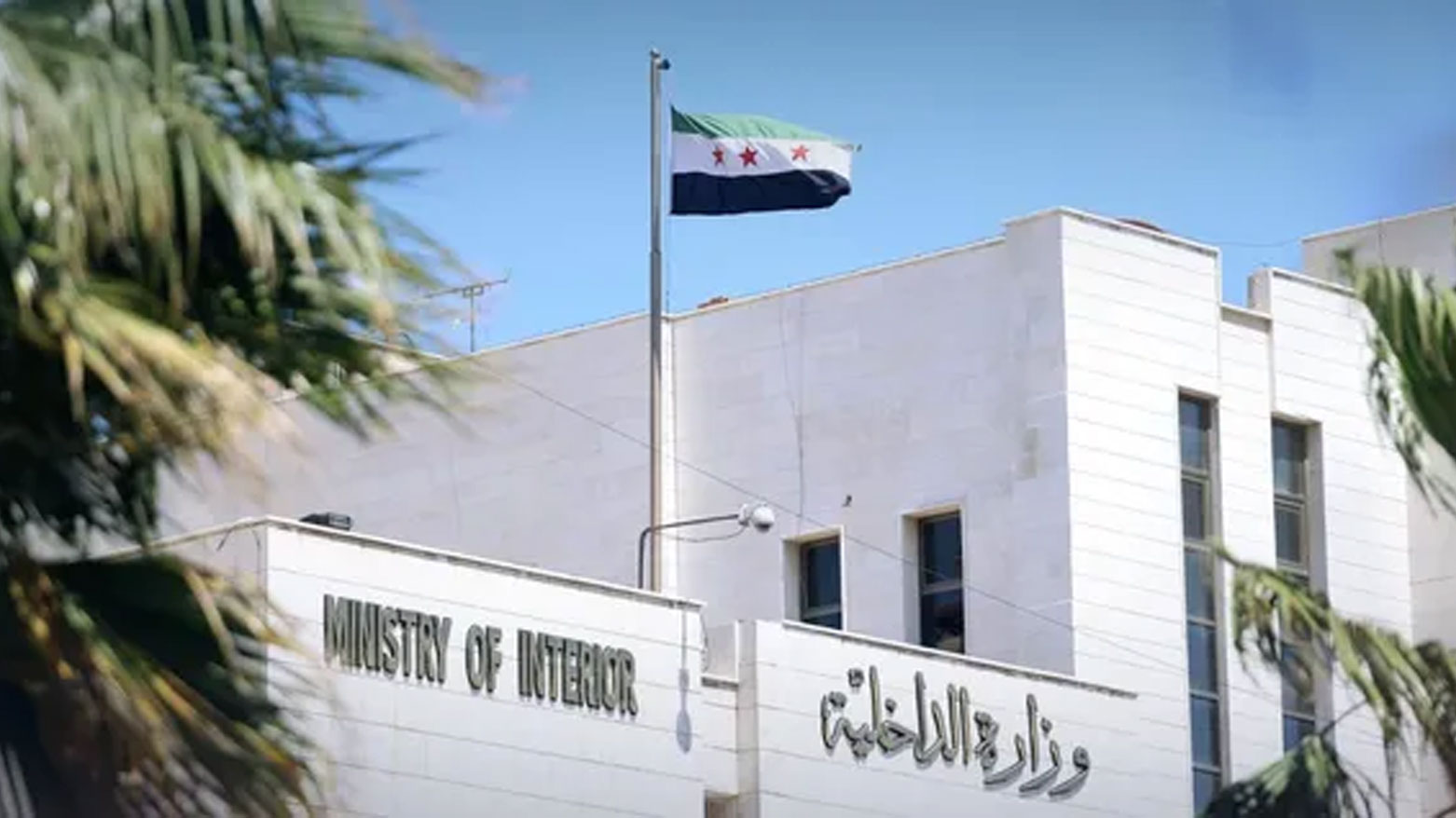
Two West Asian sources report that Syria’s Interior Ministry issued Decision 1944 to implement Presidential Decree No. 13, a measure linked to restoring rights and citizenship to Kurds.
Kurdistan24 states "Syrian President Ahmed al-Sharaa issued Presidential Decree No. 13 on Jan. 16, 2026" and describes the implementing guidelines as formalizing an administrative path to restore nationality.
Al-Jazeera reports "Syrian President Ahmad al-Shara issued Presidential Decree No. 13 on 16 January, recognizing the cultural and linguistic rights of Syria’s Kurds" and notes the Interior Ministry instructed civil affairs to prepare procedures to grant nationality to citizens of Kurdish origin.
Both sources present Decision 1944 as a formal step toward recognition and restoration of rights for Kurds in Syria.
The two sources use different spellings for the president’s name—Ahmed al-Sharaa in Kurdistan24 and Ahmad al-Shara in Al-Jazeera—which is a contradiction in the source material.
Coverage Differences
Tone
Kurdistan24 frames Decision 1944 as a detailed administrative roadmap, listing procedural steps and safeguards (emphasizing bureaucracy and legal mechanics), while Al-Jazeera frames the decree in political terms—highlighting official meetings, statements about unity and the Kurdish delegation’s welcome. The contrast is between procedural detail (kurdistan24.net, West Asian) and political framing (Al-Jazeera Net, West Asian).
Unique Coverage
Kurdistan24 provides specific administrative details (office locations, application forms, and multilayered review process) that Al-Jazeera omits; Al-Jazeera provides coverage of diplomatic engagement (Foreign Minister meeting the Kurdish National Council) that Kurdistan24 does not report in the provided snippet.
Decision 1944 procedures overview
Kurdistan24 lists Decision 1944's operational elements: applicants must use a designated form at specially allocated offices (Damascus, Aleppo, Raqqa, Deir al-Zor, Hasaka).
Required documents include a mukhtar-issued ID, proof of residence such as utility bills or school enrollment, and other official evidence.
Kurdistan24 describes a three-stage review process: a local office committee chaired by a judge, a provincial subsidiary committee chaired by the governor, and a central ministry committee led by the Assistant Minister of Interior for Civil Affairs, with set forwarding and ruling deadlines.
Al-Jazeera confirms the Interior Ministry ordered civil affairs to prepare procedures but does not reproduce the procedural checklist included in Kurdistan24's report.
Coverage Differences
Missed Information
Kurdistan24 supplies granular procedural content (specific office counts, document lists, committee chairs, and explicit timelines for forwarding and appeals) that Al-Jazeera’s report omits in the provided excerpt; this leads to differing levels of implementation detail across the sources.
Narrative Framing
Kurdistan24 emphasizes bureaucratic safeguards and timelines (e.g., 20-day, 10-day, 15-day windows), presenting Decision 1944 as a technical implementation; Al-Jazeera frames the action as part of state messaging on unity and rights without enumerating those procedural safeguards.
Political framing of decree
Al-Jazeera highlights the political framing around the decree, citing a 2 February meeting where Foreign Minister Asaad al-Shibani met a Kurdish National Council delegation.
It states the ministry emphasised "Syria’s unity and territorial integrity" while affirming "the state’s commitment to equal citizenship while preserving Kurdish cultural and social particularities."
Al-Jazeera reports the Kurdish delegation "welcomed the decree as an important step toward justice, rights protection, and greater national participation."
Kurdistan24’s summary frames the measures as integrating Kurds into the legal framework but prioritizes administrative enactment over the diplomatic exchanges reported by Al-Jazeera.
Coverage Differences
Tone
Al-Jazeera conveys the political reassurance and symbolism of the state’s messaging (unity, sovereignty, equal citizenship) and reports reactions from Kurdish representatives; Kurdistan24 takes a more technical tone focusing on how the law will operate in practice rather than the political dialogue.
Safeguards and open questions
Kurdistan24 outlines safeguards and penalties, saying applicants can object to subsidiary decisions within 15 days and the central committee must rule within 15 days.
Kurdistan24 warns that 'False information or forged documents leads to annulment and legal action.'
Al-Jazeera does not detail those safeguards in the excerpt.
Both sources leave open practical questions not answered in the provided text.
These include timelines for nationwide rollout beyond the listed offices, how authorities will verify historical residency claims, and how many people will ultimately be restored to the civil registry.
Coverage Differences
Missed Information
Kurdistan24 specifies sanctions for fraud and appeal windows; Al-Jazeera’s excerpt omits these legal-detail elements, leaving implementation accountability less clear in its coverage.
Ambiguity
Both sources do not provide comprehensive data on scope and timelines (e.g., total eligible population, nationwide processing schedule), so the scale and speed of implementation remain unclear from the provided reporting.