Syria17 June, 20263 min read
Syria’s Transitional Justice Commission Rejects Collective Punishment After Mob Beating In Kafr Takharim
This article is an automated aggregation of coverage from news outlets. Our editorials offer in-depth analysis curated by the NewsCord team.
Accountability must be individual and pursued through legal channels, not collective punishment. Authorities condemn vigilantism and revenge amid protests in Idlib and other regions.
Commission Rejects Revenge
Syria’s National Transitional Justice Commission said on Monday that accountability for past abuses must be pursued strictly through legal channels, stressing that responsibility is individual—not collective—and rejecting any form of revenge or extrajudicial punishment. The commission warned that “Collective punishment contradicts the foundations of justice and human rights,” as demonstrations in northern Syria demanded prosecutions for crimes committed under the former regime and called for the immediate activation of transitional justice mechanisms. In parallel, Syria’s Ministry of Internal Affairs urged restraint after unrest in Idlib province, saying the state “will show no leniency” toward anyone proven to have committed violence or human rights abuses while also warning against retaliatory attacks or mob violence.
The Syrian Observer reported that local sources said a man, Shukri Kayali, died after being beaten by a mob in Kafr Takharim over allegations of collaboration with the former regime, and another attack in Kafraweed left a young man critically injured under comparable accusations. The commission also said truth-seeking, accountability, and reparations remain central to building sustainable peace and preventing future abuses, pledging to continue institutional reform and peace-building efforts.

State Holds Suspects
Syrian authorities warned against revenge targeting individuals accused of ties to deposed leader Bashar Assad’s rule, with Interior ministry spokesperson Noureddine Al-Baba telling a news conference that “the state categorically rejects turning the demand for accountability into an act of revenge.” Al-Baba said Syria’s counter-terrorism department was holding some 6,000 Assad-era military and security personnel, including dozens of high-ranking officers, as demonstrations calling for accountability were held in cities including Aleppo, Idlib, Deir Ezzor, Raqqa and Hama. In Deir Ezzor, residents set up a sit-in for the sixth day in a row demanding speeding up transitional justice, and a woman participating in the protest told Syria Now’s reporter, “We came for the blood of our sons, who were deprived of their youth while the shabiha roam around the city.”
Another protester said, “We cannot accept the shabiha and remnants no matter the reasons or pretexts; we are not asking for brutality but within the framework of the state, courts, and justice.” The Al-Jazeera Net report said the Syrian Interior Ministry urged angry protesters to exercise restraint and not to engage in retaliatory acts or attacks outside the law, while the relevant authorities “are taking these files seriously.”
Trials and What’s at Risk
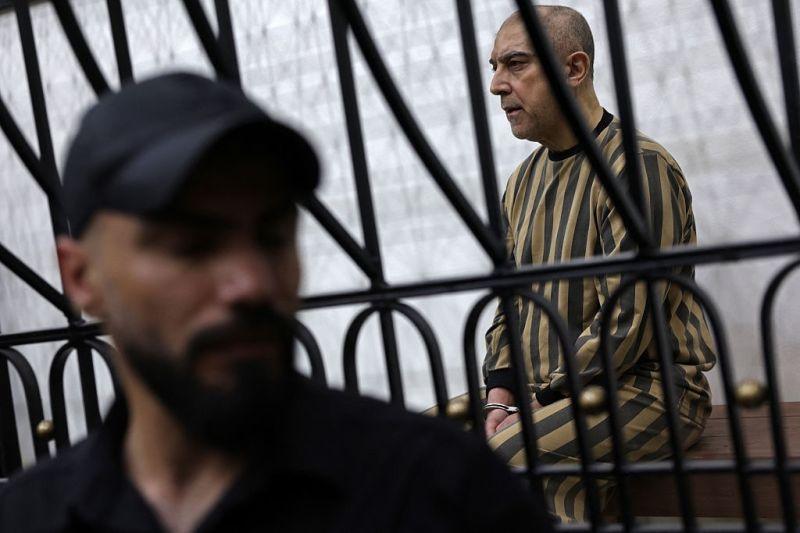
While the commission and interior ministry urged legal accountability over revenge, multiple outlets said Syria is beginning trials of former regime figures as part of its transitional justice process. France 24 reported that on Sunday in Damascus the first trials of senior officials from the former Syrian regime will begin, opening with the trial of former security official Atef Najeeb, who was arrested in January 2025. The trial is expected to be followed by the trial of Wasim al-Assad and pilots who participated in bombing cities and towns, and also by Amjad Youssef, who was detained on Friday and is described as the main suspect in the 2013 massacre in the Tadamon neighborhood of Damascus that killed dozens.
In its June 15 statement carried by SANA, Syria’s National Commission for Transitional Justice said accountability must be based on individual criminal responsibility rather than collective blame, warning against retaliation and attempts to seek justice outside legal institutions. Al-Jazeera Net said the protests and government messaging are unfolding alongside a stated push to pursue criminals and call for calm, as it described the interior ministry’s position that “it will never tolerate anyone proven to be involved in shedding blood.”