Asia06 February, 20263 min read
Takaichi's Coalition Projected to Win Historic Supermajority in Japan's Lower House
Exit polls project Takaichi's coalition could win up to 366 of 465 lower-house seats. Projected two-thirds supermajority would empower constitutional revision and stronger national-security legislation.

37 outlets told this the same way.
Outlets did split on Avalanche Strikes Himlung Himal Base Camp In Nepal, At Least 10 Missing →
Japan election projections
Exit and media projections on Feb. 8 show Prime Minister Sanae Takaichi’s ruling coalition — the Liberal Democratic Party (LDP) and the Japan Innovation Party (Ishin) — poised to win a commanding majority in the 465‑seat lower house.
“Japan’s new prime minister, 64‑year‑old Sanae Takaichi, is poised for a landslide after exit polls showed the ruling coalition (the LDP and Japan Innovation Party) could win up to 366 of 465 lower‑house seats.”
GMA Network reported the bloc could win up to 366 of 465 lower‑house seats.
France 24 said the LDP alone was projected to take 271 seats.
CNBC cited NHK projections placing the LDP at roughly 274–328 seats.
Al Jazeera reported polls projecting the coalition could take more than 300 of the 465 seats.
These varying projections nonetheless point to a decisive gain for Takaichi’s camp that would greatly expand her legislative scope.
Takaichi's youth-driven popularity
Takaichi's personal popularity, often described as a viral, youth-driven surge or 'Sanae-mania,' is credited by many outlets with powering the LDP rebound. Several Asian outlets and Western mainstream reports noted unusually strong support among younger voters. GMA Network referenced unusual youth popularity dubbed 'Sanae-mania.'
El-Balad put her approval around 'roughly 70%' and said she has gained popularity especially among younger voters and women. CNA and the BBC highlighted her viral campaign videos and social-media reach as key drivers.

Commentators also flagged a prominent U.S. endorsement as politically significant. GMA noted a 'public U.S. endorsement,' and NBC emphasized her large social-media following and persona that have reshaped her public image.
Takaichi's policy platform
Takaichi’s policy platform — a large stimulus package, a temporary suspension of the consumption tax on food, tougher immigration rules, and a stronger defense posture — was a central campaign plank cited across outlets. France 24 summarized her economic and defense pledges as a $135 billion stimulus, a promise to suspend the consumption tax on food, and plans to strengthen national defense. The Guardian and PressTV noted the same ¥15 trillion ($135bn) stimulus and a proposed two-year suspension of the 8% consumption tax on food.
“Takaichi favors tougher immigration measures, including caps on foreign residents and tighter rules for foreign property owners.”
Al Jazeera and PressTV emphasized her tougher immigration stance and limits on foreign property ownership. Several outlets flagged hawkish comments on potential responses to a Chinese attack on Taiwan.
Markets react to LDP victory
Markets and fiscal commentators warned that a decisive LDP victory could intensify economic pressures. France 24 said economists were concerned about Japan's public finances, with debt more than double GDP, and rising long-term bond yields. The Guardian reported that markets had reacted nervously, triggering currency volatility and warning that proposed measures could undermine fiscal prudence.
EconoTimes and CNBC noted risks to the yen and to longer-term yields if politically driven stimulus continued. Some outlets linked large fiscal packages and increased defense spending to both geopolitical and fiscal consequences, contributing to market unease.

Campaign context and issues
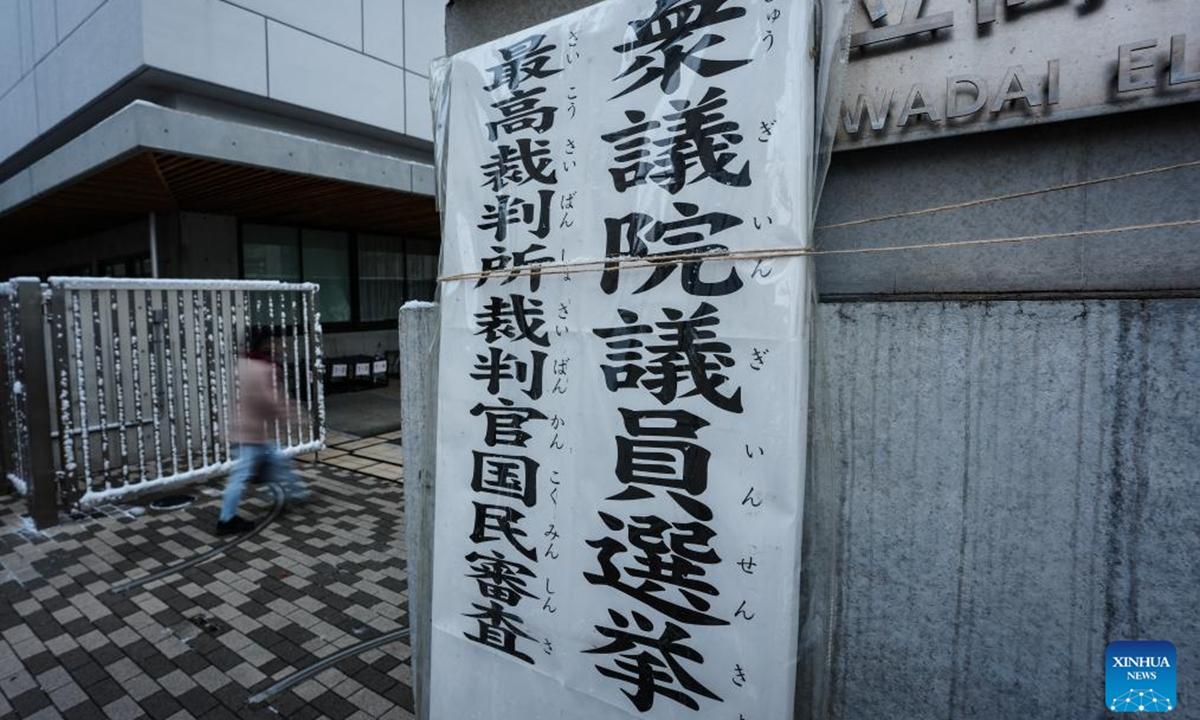
The campaign's context—a rare winter snap election, a short 16-day campaign, heavy snowfall and lingering scandals—was widely reported and influenced how commentators read the result. Multiple outlets noted she called the snap vote to consolidate power only months into office. Critics said the brief campaign and past ties to the Unification Church were damaging.
“Called a snap Lower House election just months after being selected by lawmakers to seek a public mandate.”
Weather and turnout concerns also appeared repeatedly, with ANI urging advance voting because heavy snowfall was forecast to depress turnout and the Greenock Telegraph warning that heavy snow could affect participation. Sources diverge on how much these factors reduced turnout versus advantaging organized parties, but all outlets report the same core elements.