Asia03 December, 20252 min read
Taliban Force 13-Year-Old to Publicly Execute Convicted Murderer Before 80,000 in Khost Stadium
A 13-year-old relative executed the man convicted of killing 13 family members. About 80,000 people watched the public execution at Khost sports stadium.
14 outlets told this the same way.
Outlets did split on Avalanche Strikes Himlung Himal Base Camp In Nepal, At Least 10 Missing →
Khost public execution report
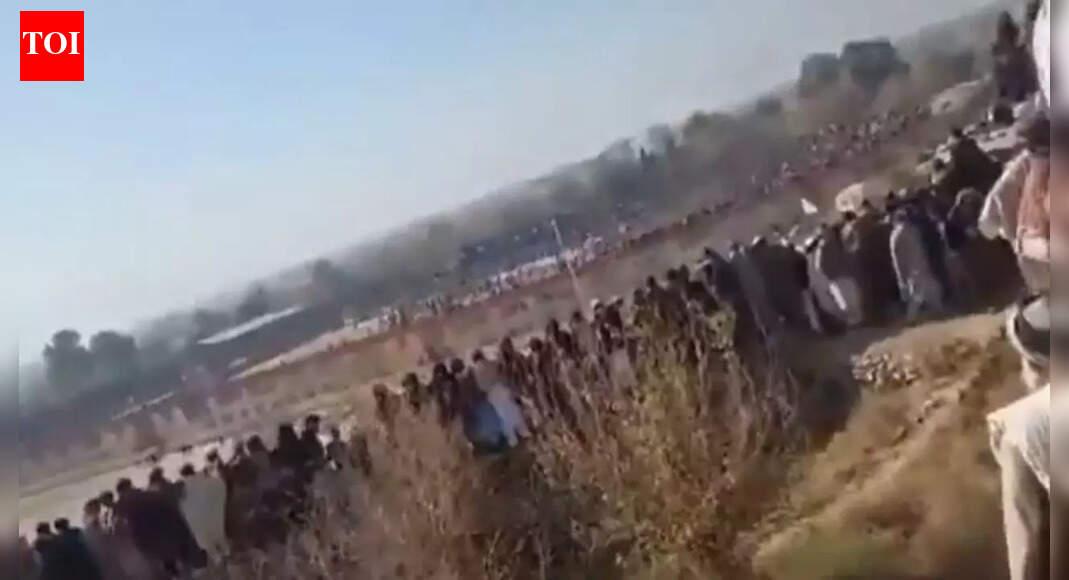
A public execution in Khost, eastern Afghanistan, saw a man identified by Taliban officials as "Mangal" put to death after being convicted of killing members of an extended family. Local reports and video circulating online say the killing was carried out in a packed stadium before an estimated 80,000 spectators. The execution was reportedly performed by a 13-year-old relative of the victims.
“A 13-year-old boy publicly executed a man convicted of killing members of his family in front of about 80,000 people at a stadium in Khost, eastern Afghanistan.”
Multiple outlets report the conviction involved the killing of 13 family members, with some accounts specifying nine children among the dead. Authorities described the execution as Qisas, a form of retributive justice under their interpretation of Sharia. The event was widely shared in video form and produced immediate domestic and international outcry, with questions raised about the shooter's age and the transparency of the judicial process that led to the death sentence.
Taliban execution and justice
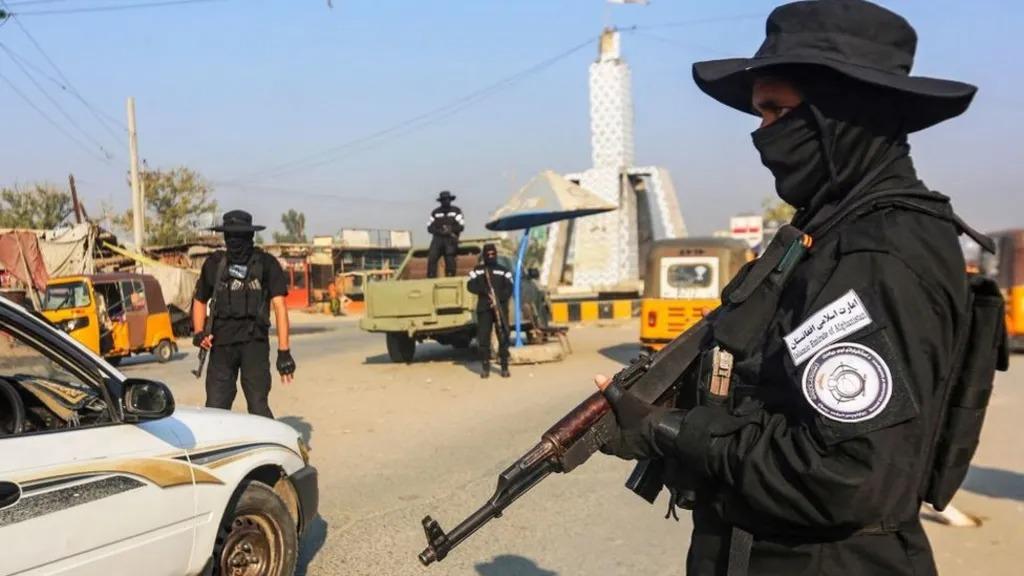
Taliban officials and local authorities framed the killing as a lawful implementation of Qisas (retributive justice). Several accounts say the sentence was reviewed by district, appellate and supreme courts and ultimately approved by Taliban supreme leader Hibatullah Akhundzada before being carried out, and officials also said victims’ families had been offered amnesty but declined. The Taliban publicly presented the execution as an enforcement of Sharia and public safety, while independent and rights groups criticized the opacity of the Taliban judicial process and raised serious due-process concerns.
Execution and public response
Eyewitness and video accounts portrayed a large, male-dominated crowd and ritual elements surrounding the execution: reports describe tens of thousands in attendance, shouted phrases such as 'Allahu Akbar', prayers offered afterward, and multiple gunshots that ended the condemned man's life. Some outlets specify five shots, while others note prayers for 'national security' and calls for stricter Sharia enforcement following the action. Footage and images were circulated on social media and via local officials, intensifying both domestic support among some attendees and international condemnation.
“The youth shot the prisoner, identified as Mangal, three times while crowds shouted 'Allahu Akbar.'”
Reactions to execution
International and rights bodies condemned the execution, calling it harsh and part of a pattern of punitive measures since the Taliban returned to power. The U.N. special rapporteur for Afghanistan called the act 'inhumane, cruel' and contrary to international law, and multiple outlets noted it was at least the 11th execution since 2021, linking it to wider policies that have curtailed women's education and work. Meanwhile, Taliban spokespeople and local officials defended the punishment as lawful Qisas and necessary for security or deterrence.
Media reporting styles
Western tabloids such as the Daily Mail foreground shock and spectacle and link the incident to international legal actions. Western mainstream outlets like The Independent contextualize the execution within a broader pattern of Taliban punishments and historical precedent. Western alternative and local broadcasters, including Amu TV and PTC News, relay Taliban statements and social-media material more directly.
“A 13-year-old boy publicly executed a man... in front of about 80,000 people...”
Regional Asian and West Asian outlets such as the Hindustan Times, ShiaWaves, and The Daily Jagran combine on-scene details with cautionary notes about independent verification and judicial opacity. Readers should note differences in emphasis, especially regarding verification of the shooter’s age, the exact number of victims, and portrayals of the Taliban’s legal process.