Protests24 October, 20253 min read
Taliban Orders Dam Construction to Cut River Water Supply to Pakistan
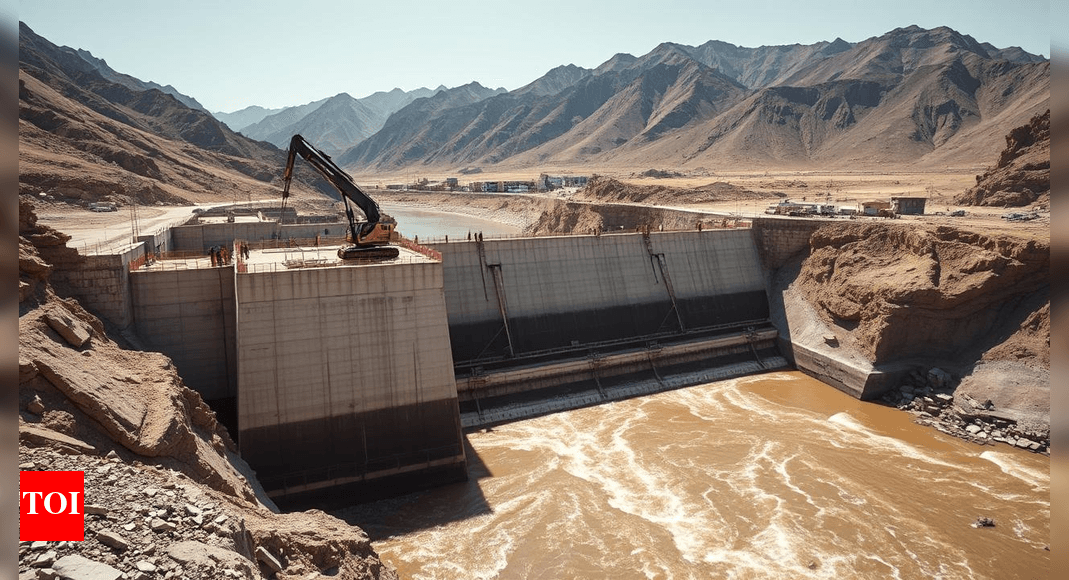
Taliban Supreme Leader Mawlawi Hibatullah Akhundzada ordered rapid dam construction on River Kunar. Dam construction aims to restrict river water flow from Afghanistan to Pakistan.
12 outlets told this the same way.
Outlets did split on France Suspends Police Stun Grenades at High School Protests After 15-Year-Old Loses Hand →
Afghanistan's Water Control Efforts
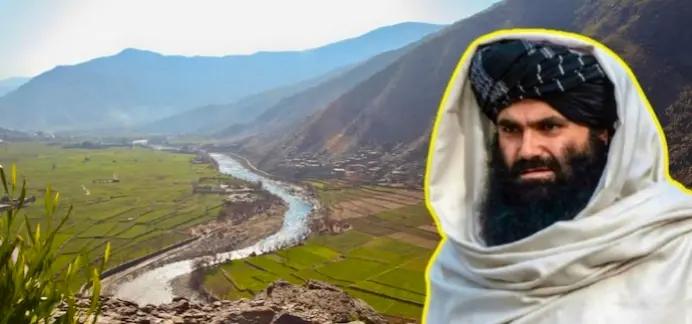
Afghanistan’s Taliban-led government has ordered immediate dam construction on the Kunar River to curb water flowing into Pakistan. The move is framed as an assertion of national water rights and sovereignty. The Afghan Information Ministry announced that Supreme Leader Mawlawi Hibatullah Akhundzada ordered “the rapid construction of a dam on the River Kunar.”
“The Taliban-led Afghan government plans to build dams and limit water flow to Pakistan, as announced by the Afghan Information Ministry. Taliban Supreme Leader Mawlawi Hibatullah Akhundzada has ordered the rapid construction of a dam on the River Kunar.”
There are plans to build dams and limit water flow to Pakistan. Several outlets report that Afghan authorities directed the Ministry of Water and Energy to start quickly and prioritize Afghan firms. Some reports describe multiple dams while others mention a single project.
The initiative is repeatedly framed around Afghanistan’s “right to water” and control over shared resources. This comes amid recent deadly clashes with Pakistan.
Regional Water Disputes and Tensions
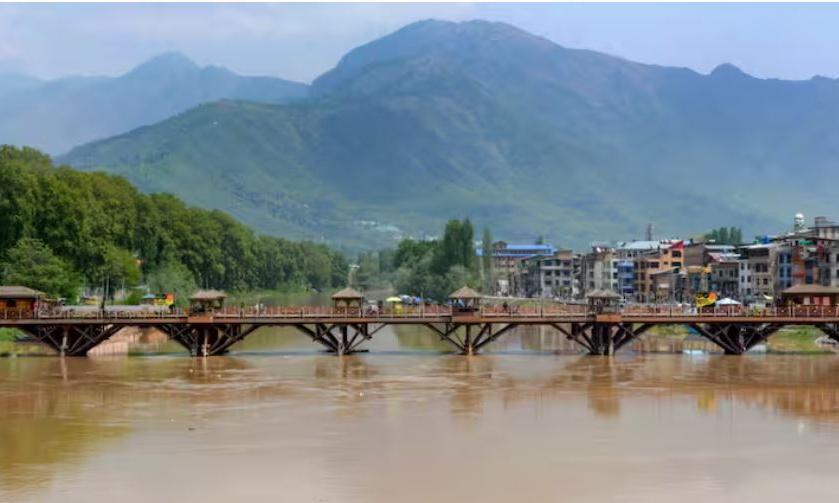
Multiple outlets situate the dam order within rising regional frictions and recent Indian policy shifts on transboundary waters. Several Asian sources link Kabul’s move to India’s actions. ABP Live English says it follows the suspension of the Indus Waters Treaty.
NewsX reports India suspended its participation and plans to extend a canal affecting Pakistani agriculture. Odisha Bytes frames Afghanistan as following India’s example. Other sources note broader tensions and clashes along the Afghan–Pakistan border.
India Today reports recent fighting that caused hundreds of casualties. English Bombay Samachar points to ongoing clashes along the Durand Line.
The Times of India contextualizes the potential water dispute within a wider global news mix. It notes Afghanistan may limit flow by constructing a dam after India’s restrictions on Pakistan’s river water supply.
Impact of Kunar River on Pakistan
Sources agree that the Kunar River is vital to Pakistan’s downstream agriculture and energy. However, they differ on the projected scale of the impact. ABP Live English emphasizes that the Kunar feeds the Indus system and is crucial for irrigation and water supply in Khyber Pakhtunkhwa and Punjab.
“The Kunar River... feeds into the Indus River system, is crucial for irrigation and water supply in Pakistan’s Khyber Pakhtunkhwa and Punjab provinces.”
ABP also reports Pakistan’s warning that unilateral Afghan actions could worsen instability as well as food and energy crises. NewsX cites experts who warn of worsened shortages affecting irrigation and electricity in Khyber Pakhtunkhwa. DNA India states that the project could significantly affect Pakistan’s water supply.
English Bombay Samachar highlights the importance of the Kunar River to Pakistani irrigation. The Indian Witness is the only source to quantify the potential reduction, claiming up to a 17% cut in flow to Pakistan.
Afghanistan's Water Resource Control
Kabul’s stated motivations and implementation approach are framed around sovereignty, self-reliance, and domestic economic participation. English Bombay Samachar reports a directive to start construction quickly and engage domestic companies, explicitly linking the project to asserting Afghanistan’s water sovereignty. ABP Live English similarly says the group aims to assert control over shared water resources.
NewsX quotes officials emphasizing the right to control water and fast-tracking work through Afghan companies to benefit local businesses. Odisha Bytes adds a development lens, saying Afghanistan aims to reduce dependence by accelerating hydropower and dam projects.
The report highlights India-funded cooperation like the Salma Dam and the upcoming Shahtoot Dam. ABP also notes ongoing diplomacy, including a recent visit to India by the group.
Media Coverage of Water Dispute
Coverage varies in scope and specificity, producing ambiguities and off-topic inclusions. The Times of India presents the water dispute alongside unrelated global features, noting the story touches on other global topics such as the growing acceptance of graffiti in West Africa and the upcoming Dubai Fitness Challenge 2025. Odisha Bytes likewise includes unrelated items about US President Donald Trump’s warning to Hamas, the reopening of the Louvre Museum, and an emergency flight diversion, even as it details the dam plan and India–Afghanistan projects.
“The article... focuses on a potential water dispute... Additionally, the article touches on other global topics such as the growing acceptance of graffiti in West Africa and the upcoming Dubai Fitness Challenge 2025.”
By contrast, outlets like India Today, ABP Live English, and NewsX stick closely to the water-policy and security dimensions. One other outlet, The Indian Witness, uniquely claims the flow to Pakistan could fall by up to 17%, adding precision absent elsewhere.
Business Today does not provide coverage and instead asks for article details, indicating missing content in this set. The mix of singular a dam and plural dams across sources also leaves the exact scope unclear.