Protests31 October, 20252 min read
Tanzanian Security Forces Massacre Hundreds of Protesters After Disputed Election
This article is an automated aggregation of coverage from news outlets. Our editorials offer in-depth analysis curated by the NewsCord team.
Hundreds of protesters clashed with police and military in Dar es Salaam over election results Opposition claims over 700 protesters killed; UN confirms at least 10 deaths during unrest
9 outlets told this the same way.
Outlets did split on France Suspends Police Stun Grenades at High School Protests After 15-Year-Old Loses Hand →
Tanzania Post-Election Unrest
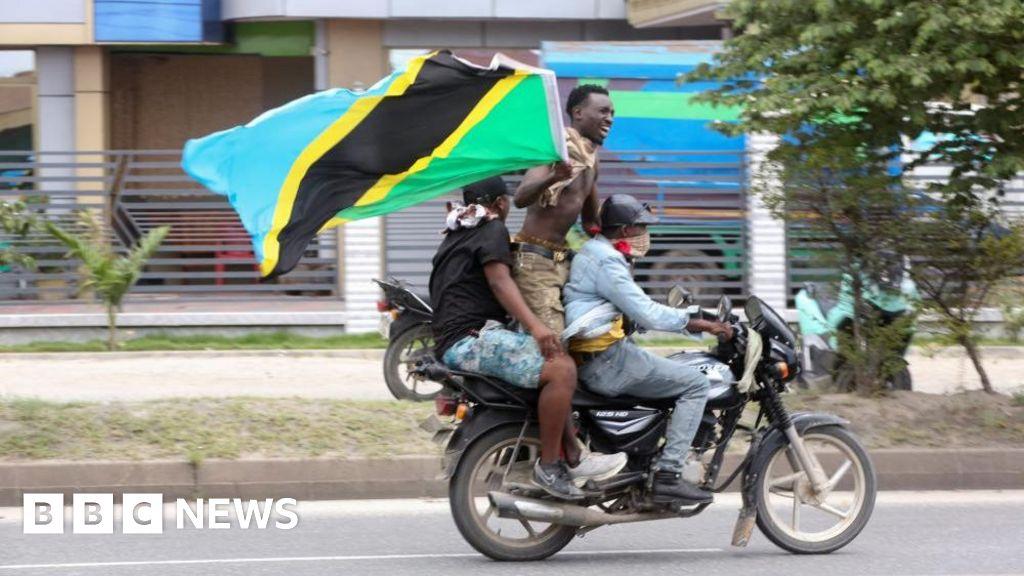
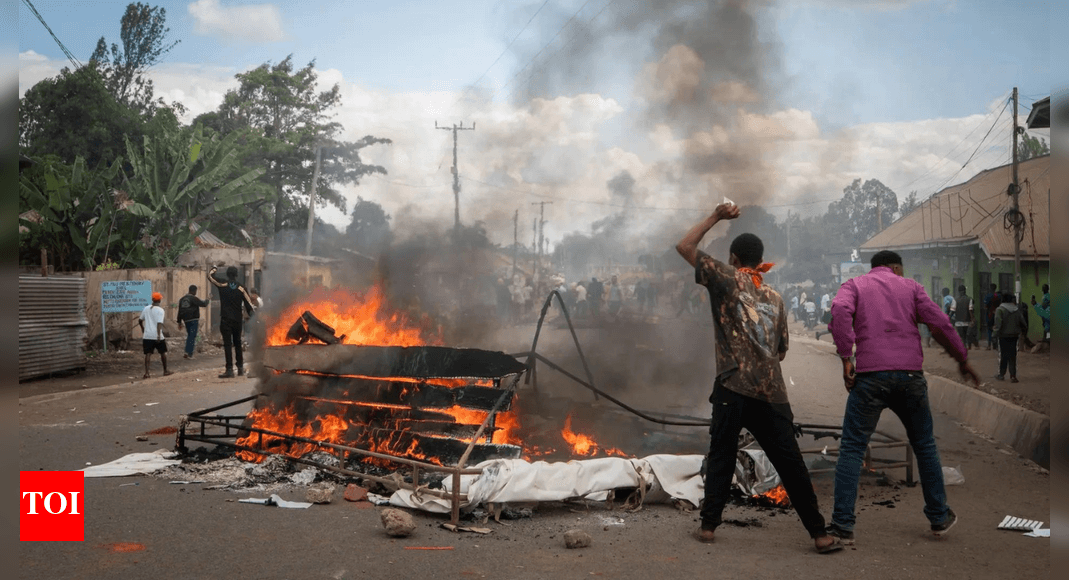
Tanzania has experienced post-election unrest focused in Dar es Salaam, where hundreds of protesters clashed with police. The protesters demanded that the electoral body halt results they consider unreliable. Multiple sources report that the government has implemented heavy security measures, including military deployment, an internet shutdown, and curfews.
“In Dar es Salaam, Tanzania, hundreds of protesters clashed with police to demand that the national electoral body halt the announcement of election results they consider unreliable.”
The United Nations has cited credible information indicating fatalities during the unrest. Western mainstream media describe large street confrontations and state-imposed restrictions. Some reports note that protests have continued despite army warnings and communication blackouts.

This situation highlights a rapidly escalating crisis with limited transparency about casualties. The final vote outcome is still pending in parts of the country.
Disputed Death Toll Reports
The death toll is fiercely disputed. Chadema, the main opposition party, claims around 700 people were killed nationwide, allegations echoed by some outlets. The UN cites credible information of at least 10 deaths, and rights groups have put lower preliminary figures on record.
West Asian and Western mainstream coverage stresses that official numbers are lacking and communications are restricted. Government officials deny using excessive force and reject claims of mass casualties.

Some sources report unconfirmed higher figures, while others cite Amnesty International’s minimum of two deaths. This underscores a wide gap between opposition allegations and verified counts.
Causes of Electoral Unrest
Accounts of what fueled the unrest also diverge. Several Western mainstream and West Asian outlets highlight claims of a restricted or unfair electoral process, ranging from barring main opposition presidential candidates to detaining leaders. Partial official tallies suggest President Samia Suluhu Hassan and the long-dominant CCM were poised to retain power.
“Protests erupted in Dar es Salaam, where demonstrators clashed with police, demanding a halt to the release of election results after opposition leaders were barred or detained.”
Zanzibar’s separate vote declared Hussein Mwinyi the winner with 78.8%, which the opposition rejected as fraudulent. Calm there reportedly returned under heavy military presence. Youth anger over harassment of opposition leaders and limited electoral choice is cited as a driver of the Dar es Salaam protests.
Security Measures Amid Unrest
Security forces escalated control measures as unrest spread. Soldiers were deployed, curfews extended, and schools and universities closed in some areas. The internet was shut down nationwide.
Authorities publicly rejected accusations of excessive force while highlighting vandalism and arson. These incidents included the burning of utilities and attacks on vehicles, a gas station, and police posts. International pressure mounted, with the UN urging security forces to avoid excessive force.
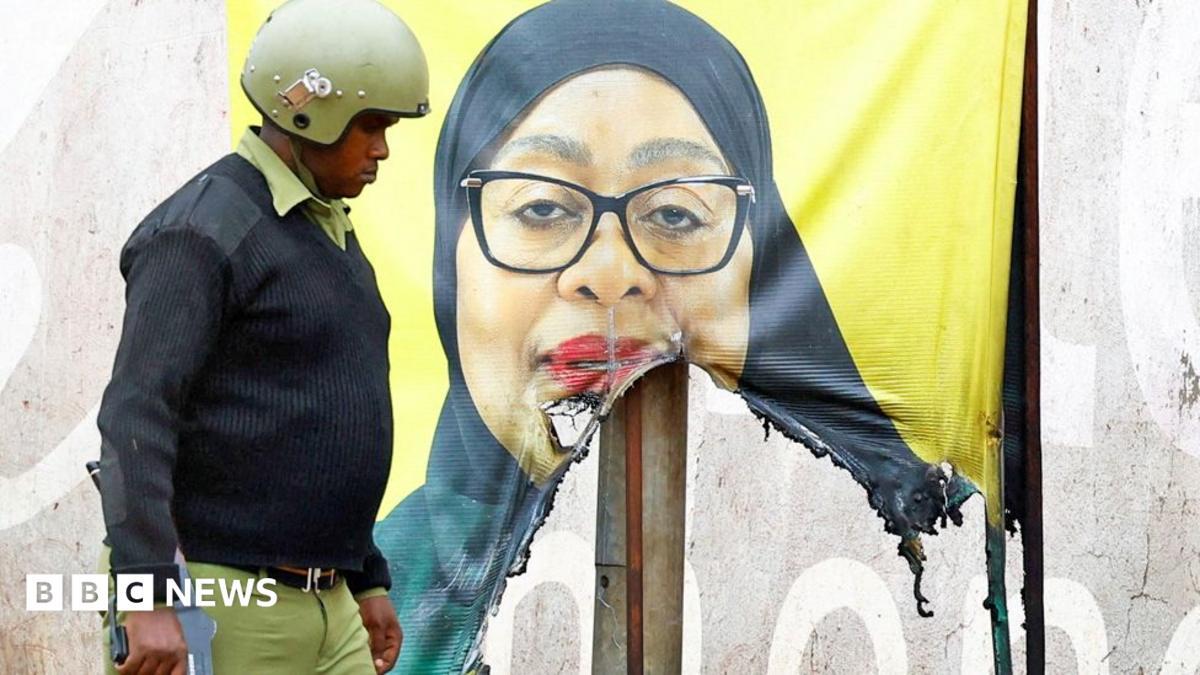
The government downplayed the violence despite the UN's concerns. Coverage converges on a picture of a security lockdown, though details about scope and severity vary by outlet.
Challenges in Reporting Casualties
Information about casualties and responsibility remains unclear amid what several sources describe as a deliberate clampdown on communications and data. Western mainstream outlets note hospitals are withholding casualty data and that communications are restricted. Other sources emphasize that they cannot independently verify casualty tallies.
“At least 10 people have reportedly died, though exact figures are unclear due to restricted communications and hospitals withholding casualty data.”
Meanwhile, diaspora engagement and scattered, mixed-topic coverage add confusion to the situation. Some reports place the death toll in the hundreds, while other mainstream accounts continue to cite the UN’s lower figure. This fragmentation, combined with internet shutdowns, makes definitive casualty assessment impossible based on available reporting.