Other25 December, 20252 min read
Tarique Rahman Returns to Bangladesh, Vows 'I Have a Plan' to Rebuild BNP and Stabilize Politics
Returned to Dhaka after 17 years in self-exile in London BNP acting chairman and front-runner to become prime minister if BNP wins upcoming election
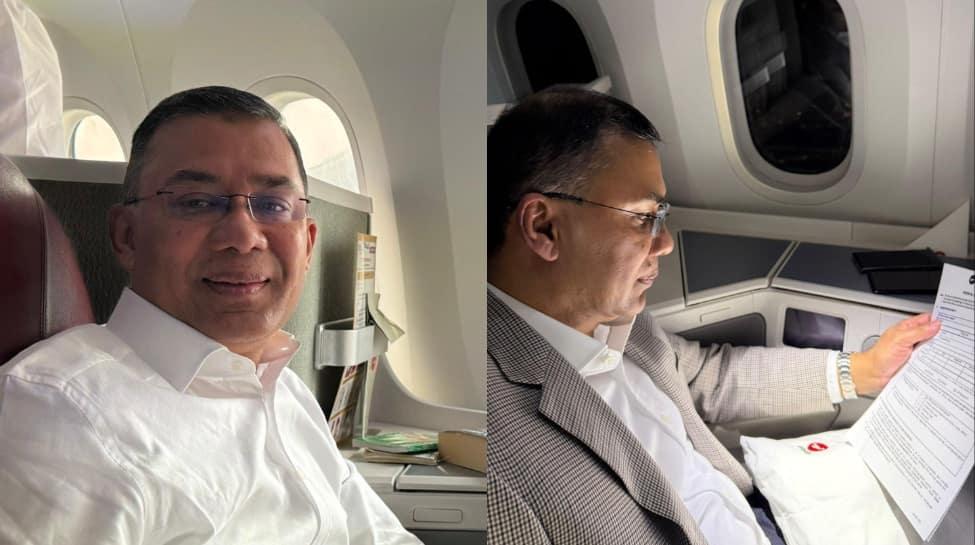
66 outlets told this the same way.
Return of Tarique Rahman
Tarique Rahman returned to Dhaka on Dec. 25 after roughly 17 years in self-imposed exile, arriving with his wife and daughter and receiving a large, tightly secured reception at Hazrat Shahjalal International Airport and along the 300 Feet Road (July 36 Expressway).
“Arriving barefoot at Hazrat Shahjalal International Airport with his wife and daughter under heavy security, the 60‑year‑old — seen as the BNP’s de facto leader and a frontrunner for prime minister — said the August 2024 uprising was comparable to the 1971 independence struggle...”
Multiple reports describe him stepping onto Bangladeshi soil barefoot and under heavy security before addressing thousands of supporters.
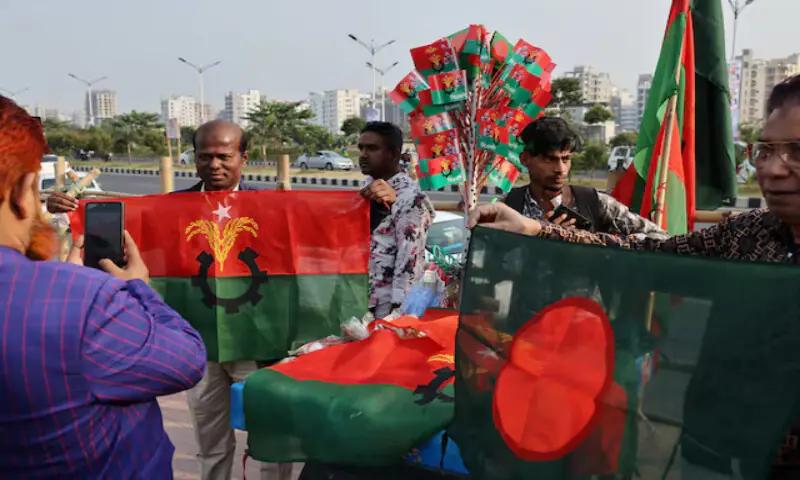
He was also reported to be expected to visit his critically ill mother, former prime minister Khaleda Zia, in hospital.
The return was widely framed as a major political moment ahead of the Feb. 12, 2026 election, with outlets noting both the celebratory reception and the extraordinary security arrangements around his arrival.
Rahman's inaugural remarks
In his first public remarks on Bangladeshi soil, Rahman repeatedly invoked unity, religious and communal harmony, and a plan for rebuilding. He used rhetoric that linked last year’s student-led uprising with national liberation, borrowing Martin Luther King Jr.’s cadence with repeated references to "I have a plan."
Outlets report he urged calm and called for a safe and inclusive Bangladesh for people of all faiths. He pledged a development and law-and-order agenda while asking supporters to pray for his ailing mother.

Rahman's legal troubles and return
News outlets reiterated Rahman's contentious legal and political past. They also noted recent developments that cleared the way for his return. Under the ousted Awami League he faced convictions tied to money-laundering, alleged involvement in a 2004 grenade attack and other charges.
“Rahman was convicted on multiple charges during Hasina’s 15‑year rule but was later acquitted on appeal under Yunus, including in connection with a 2004 grenade attack on a Hasina rally.”
Earlier diplomatic cables and assessments had linked him to kleptocratic tendencies. Many convictions were stayed, overturned or acquitted after the August 2024 unrest and the installation of an interim government led by Muhammad Yunus, allowing Rahman to re-enter active politics.
Election stakes and risks
Analysts and reports emphasised the high political stakes.
The Awami League is barred from contesting under anti‑terror laws.

Jamaat-e-Islami is re-emerging as a rival.
Many outlets present Rahman and the BNP as frontrunners for the Feb. 12 vote.
Coverage highlights the opportunity that BNP could become the largest party according to some polls.
Coverage also highlights risks, including renewed unrest, attacks on media and minorities, and strained ties with India.
Observers warn the transition will test the credibility of the interim administration and the inclusivity of the election.
Security and media coverage
Reports document disputes over crowd sizes and the security choreography surrounding Rahman's return, with the BNP and its supporters hailing massive mobilisation while some media reported far smaller numbers. Authorities imposed passport and ticket restrictions, banned drones and photography, and deployed thousands of security personnel along his route to the reception. Those differences in reporting and emphasis underline how the event was simultaneously a political spectacle, a security operation and a contested media narrative.
“Bangladesh’s interim government has set restricted access for Tarique Rahman’s return on Dec. 25, allowing only ticketed passengers with valid passports into the arrival area during a specified time window...”