Techonology and Science22 November, 20252 min read
Tatiana Schlossberg Reveals Terminal Acute Myeloid Leukemia Diagnosis, Doctor Says She Has Less Than a Year to Live
Diagnosed with terminal acute myeloid leukemia carrying a rare Inversion 3 mutation. Cancer was discovered after postpartum bloodwork showed white blood cell count about 131,000.

55 outlets told this the same way.
Schlossberg's AML diagnosis
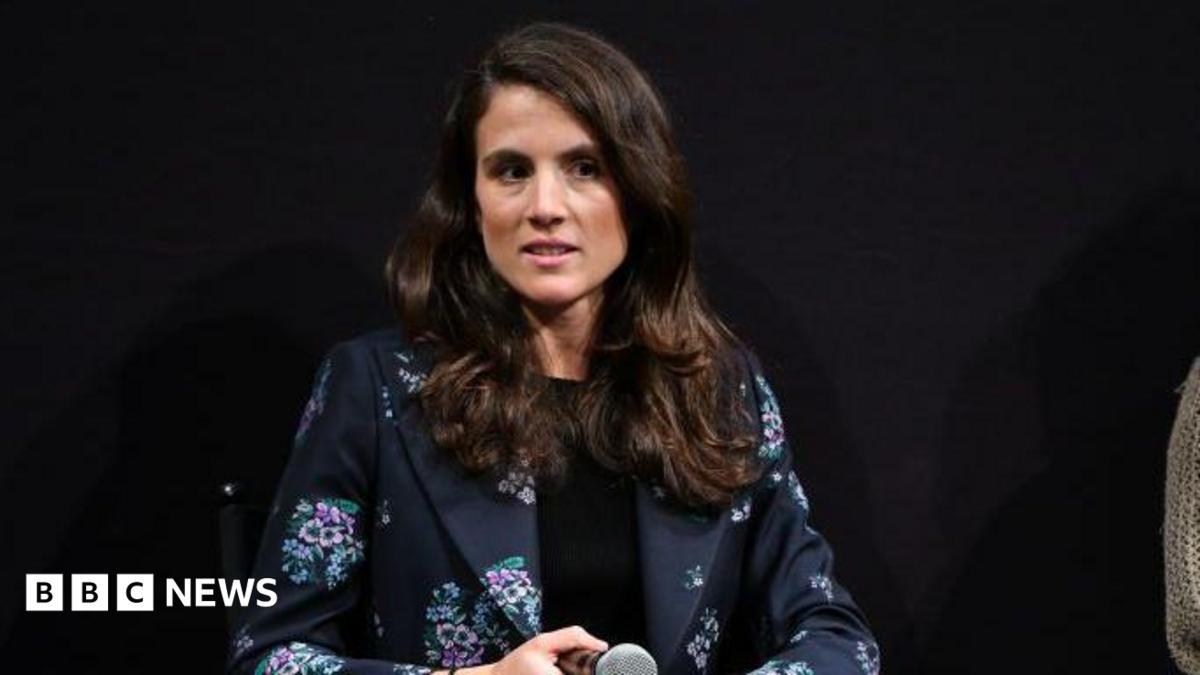
Tatiana Schlossberg, 35, revealed in a New Yorker personal essay that she has been diagnosed with terminal acute myeloid leukemia (AML).
“Tatiana Schlossberg, 35, an environmental journalist and granddaughter of President John F. Kennedy, revealed in a New Yorker personal essay that she has been diagnosed with terminal acute myeloid leukemia (AML) featuring the rare Inversion 3 mutation and was given less than a year to live.”
Her AML is driven by a rare Inversion 3 mutation, and doctors told her she likely has less than a year to live.
The diagnosis was disclosed in the essay published in late November and traces back to tests conducted immediately after the birth of her second child in May 2024, when clinicians noticed an alarmingly high white-blood-cell count.
Schlossberg, the daughter of Caroline Kennedy and granddaughter of President John F. Kennedy, framed the revelation around motherhood and the shock of sudden illness.
Postpartum leukemia diagnosis and care
Routine postpartum bloodwork showed an extremely elevated white‑blood‑cell count (reported around 131,000 cells/µL), prompting further testing that identified the rare Inversion 3 mutation, a subtype associated with poor response to standard therapies.
Coverage reports intensive, rapid treatment including emergency chemotherapy to lower blast counts, prolonged hospital stays, and referral to specialized centers for stem‑cell/bone‑marrow transplantation and experimental therapies.
Patient prognosis and treatment
Outlets uniformly report a grave prognosis, though framed differently: physicians and clinical-trial doctors describe the best realistic outcome in months to about a year, and several articles quote a clinician saying investigators might keep her alive 'for a year, maybe.'
“The cancer proved resistant to standard therapy; after months of chemotherapy a bone‑marrow/stem‑cell transplant from her sister Rose put her into remission, but she relapsed and has since enrolled in multiple clinical trials.”
Coverage notes that the Inversion 3 mutation is uncommon and often resists standard treatment, which is why Schlossberg was steered toward clinical trials as the most viable path.
Family and political context
The essays and subsequent reporting place Schlossberg's illness in family and political context.
Coverage notes that her husband, Dr. George Moran, and extended family have taken on caregiving, and that her sister Rose donated stem cells.
The essay links her personal fear to broader anxieties about health-care funding and leadership.
Multiple outlets reproduce Schlossberg's critique of her cousin Robert F. Kennedy Jr., sometimes identifying him in reports as the HHS secretary.
They quote her concern that policy decisions and funding cuts could threaten the research and trials she depends upon.
Media coverage differences
Coverage across source types differs in tone and supplementary framing. Western mainstream outlets generally prioritize clinical facts, timelines, and quotes from doctors and family. Western alternative and tabloid outlets often amplify emotional framing, dramatic figures, or political angles.
“Tatiana Schlossberg, a 35-year-old environmental writer and daughter of Caroline Kennedy, revealed in a New Yorker essay that she has been diagnosed with acute myeloid leukemia and was told by her doctor she likely has less than a year to live.”
Asian and local outlets add details about transplants, clinical trials, and broader health-care implications. These differences reflect editorial choices about emphasis rather than contradictions in core facts, since all sources draw on Schlossberg’s New Yorker essay and attributed medical statements but select different facets to highlight.