
Tehran diary: dark and bitter, the terror of life under US-Israeli bombardment
Key Takeaways
- Tehran residents endure US-Israeli bombardment, producing pervasive terror and fear.
- At 5am on Thursday 12 March, a phone call came from the narrator's crying sister.
- The narrator was exhausted after a fearful day and had not seen sister for days.
Early-morning phone call
It is 5am on Thursday 12 March when the narrator is finally falling asleep and the phone rings, bringing terror.
“It’s 5am on Thursday 12 March”
The call is from her younger sister, who is crying and cannot speak after returning on her birthday from another city where she had gone to take care of their mother.
The narrator says she was released from prison earlier and that her sister took responsibility for protecting her son so the narrator could stay somewhere safe and avoid being arrested again.
The narrator briefly imagines something terrible has happened at home and says the only thing that matters now is staying alive, even if they no longer have a home.
Neighbour killed and grief
The sister reports: “Our neighbour was caught in the blast wave … and he’s gone.”
The narrator pictures the neighbour on a balcony or outside watching drones or searching for gasoline for his children.
The narrator imagines people crying for “a country and a people being destroyed” and says she wants to be in a desert where she could scream and cry.
She notes that the last time she cried was after the massacre of protesters in January and asks why they cannot cry like ordinary people because they have suffered so much that new pain no longer shakes them.
Health, anger, and politics
The narrator describes daily survival: she goes to her small gas burner she calls her kitchen, wants coffee but says coffee has become very expensive, and continues to smoke despite cost.
“It’s 5am on Thursday 12 March”
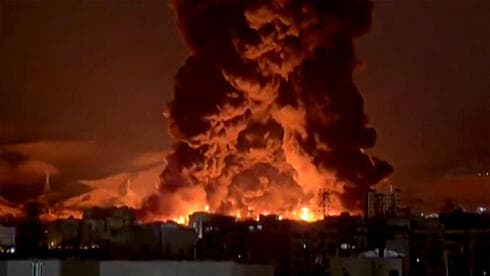
Since the fuel depots were bombed at the weekend her chest burns and she bought an inhaler that now hangs around her neck.
At 6.30am another loud explosion shakes the air and the narrator sees government supporters in the streets chanting mourning songs and saying: “People, we are all together, compatriots,” which she rebukes as foolishness that destroyed the homeland.
She remembers being imprisoned, tortured and executed and thinks about Donald Trump, saying: “If he had acted 50 days earlier, 35,000 people might still be alive,” and expresses fear that Iran will be destroyed even as the Islamic republic will remain.
Shortages and bleak routine
The narrator prepares to send a few packets of lentils and a small amount of money to a woman whose husband is in prison, saying it is the last banknote they have and that there is no cash anywhere.
She does not know if they will ever have enough to rebuild the devastation.
By 8am the streets are crowded again with people going about their business and several tired and hopeless day labourers who still come every day but there is no work.
The narrator concludes: life continues in Tehran, but it is dark and bitter.
More on Iran
US obliterates military targets on Iran’s Kharg Island, Trump warns
13 sources compared
US Deploys About 2,500 Marines to Middle East After Iran Attacks Gulf Shipping
33 sources compared
FBI Warns of Iranian Drone Plot Based on Unverified Tip; California Says No Credible Threat
10 sources compared

White House Demands ABC Retract Report Claiming Iran Sought To Launch Drone Attacks On California
11 sources compared