Asia25 November, 20252 min read
Temple Staff Find Thai Woman Alive in Coffin Moments Before Cremation
65-year-old woman found alive moving in a coffin at Wat Rat Prakhong Tham temple Temple staff heard faint knocking and noticed movement, prompting them to open the coffin

22 outlets told this the same way.
Outlets did split on Avalanche Strikes Himlung Himal Base Camp In Nepal, At Least 10 Missing →
Woman found alive before cremation
Temple staff at Wat Rat Prakhong Tham in Nonthaburi, on the outskirts of Bangkok, discovered that a 65-year-old woman brought for cremation was still alive after hearing a faint knock and seeing movement in her coffin. Video posted by the temple shows the woman faintly moving her arms and head while lying in a white coffin in the back of a pickup truck, and temple manager Pairat Soodthoop confirmed her brother had driven her from Phitsanulok and staff were astonished when they noticed the movement. An emergency rescue team transported the woman to a local hospital after the discovery.
“A woman in Thailand who had been brought to Wat Rat Prakhong Tham temple for cremation was discovered to be alive after temple staff heard a faint knock and saw her move in her coffin.”
Denied services and coffin knocking
Several reports add that the woman's brother had tried to donate her organs and was denied because there was no official death certificate. Both hospital staff and the temple declined services without that paperwork.
Outlets including The Indian Express, News Ghana and local British coverage say the brother drove her hundreds of kilometres from Phitsanulok. Staff were explaining documentation requirements when they heard knocking from the coffin and opened it.
Reported medical findings
Some outlets report medical findings and a diagnosis, identifying the woman in several Asian outlets as Chonthirat Sakulkoo. Reporters citing doctors say she was suffering from severe or extreme hypoglycemia, which can cause a deep, death-like unresponsive state.
“Doctors later diagnosed Chonthirat with severe hypoglycemia that had left her in a deep, death-like unconscious state with no signs of cardiac arrest or respiratory failure.”
Hospital staff reportedly found no signs of cardiac arrest or respiratory failure. These medical details appear in regional reporting and provide a possible explanation for the apparent death-like condition.
Temple incident and coverage
The temple and the online footage drew public attention and relief. Several reports say the temple's abbot pledged to cover her medical bills. Reports differ on how far the brother travelled, with figures variously given as about 500 km or "300 miles".
Some outlets emphasised the viral video and the stunned reaction of staff. The footage was posted on the temple's Facebook page and prompted wide sharing and commentary across multiple countries.
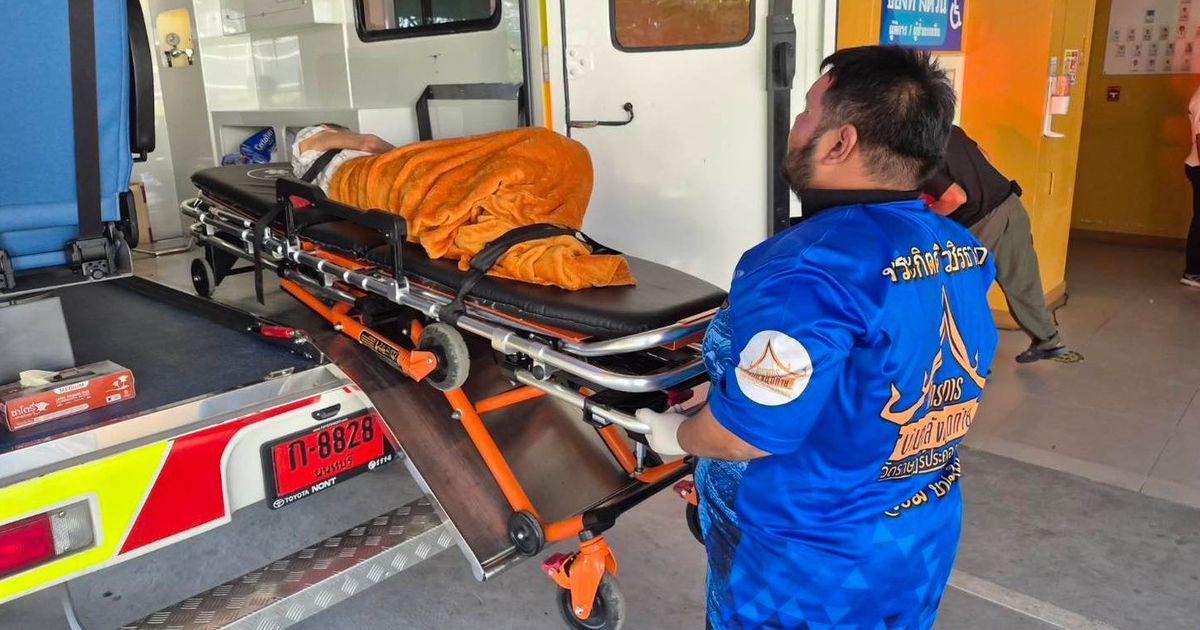
Coverage differences and details
Coverage shows differences in scope and a few unique or off-topic elements. Some local and Western reports stick to the immediate discovery and rescue and use words like 'startled', 'shocked' or 'bewildered' to convey reaction. Certain regional outlets provide a medical diagnosis and name the woman.
“Temple staff in Nonthaburi, on Bangkok’s outskirts, were shocked when a woman brought in for cremation began moving inside her coffin.”
One outlet, Tuko News, also included an unrelated item about a separate fatal fall in Nairobi, illustrating how some pieces package the coffin incident alongside other news. Where details conflict or are omitted in snippets, for example the exact medical condition, the woman's current status, or the brother’s comments, sources either do not provide the information in the excerpt or explicitly note that authorities have not released updates.