Business07 November, 20253 min read
Tesla Shareholders Approve Elon Musk’s $1 Trillion Pay Package with Impossible Targets
This article is an automated aggregation of coverage from news outlets. Our editorials offer in-depth analysis curated by the NewsCord team.
Tesla shareholders approved Elon Musk’s $1 trillion stock-based pay package contingent on ambitious targets. Musk must achieve milestones including $8.5 trillion market cap, 20 million vehicles, and 1 million robotaxis.
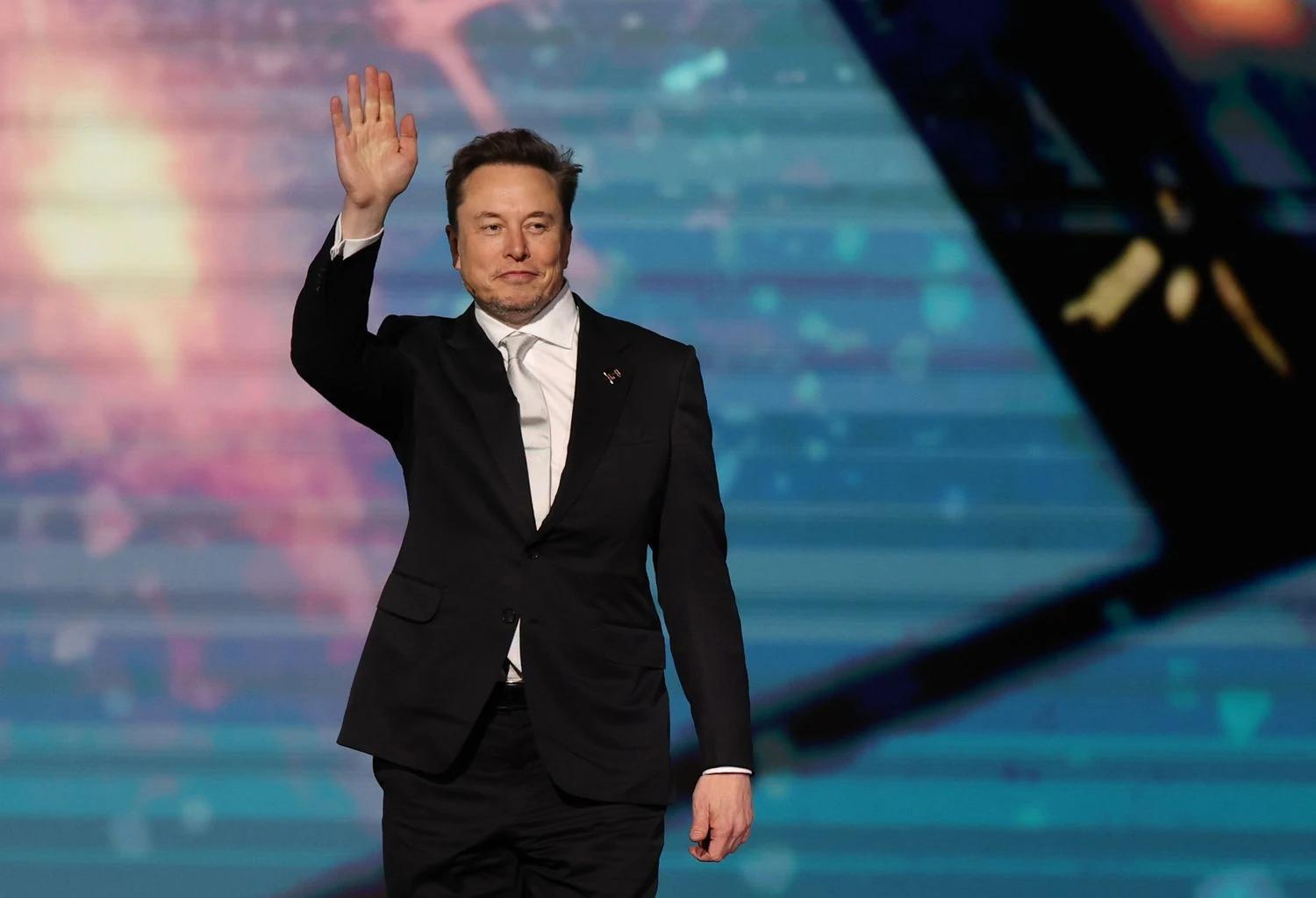
68 outlets told this the same way.
Outlets did split on CATL Starts Trial Production at Debrecen Battery Cell Plant in Hungary →
Elon Musk's Tesla Pay Plan
Tesla shareholders approved an unprecedented compensation plan for CEO Elon Musk valued at up to about $1 trillion if a slate of aggressive milestones are met. The plan was approved by a margin of more than 75%, making it the largest executive pay package on record and potentially positioning Musk to become the first trillionaire. The award stretches over the next decade, with stock vesting tied to performance and scale targets such as expanding Tesla’s valuation to $8.5 trillion.
It is structured in 12 tranches with sizeable share grants over time. Several outlets detail the mechanics and scale differently: some emphasize the 423.7 million-share structure and decade-long horizon, while others stress the tranche-based vesting and step-ups in $500 billion market-cap increments starting at $2 trillion. All agree the vote signals strong investor confidence in Musk’s leadership despite mounting scrutiny and risk factors.

Musk's Ambitious Future Goals
The targets tethered to Musk’s award are sweeping, including delivering 20 million vehicles and operating 1 million robotaxis. They also aim to produce 1 million humanoid robots and achieve up to $400 billion in core profit. Additional metrics include reaching 10 million active Full Self-Driving subscriptions.
Some outlets emphasize AI-focused ambitions using dramatic language about a future “robot army.” Others present the milestones in neutral terms without sensationalism. There is also variation in the timeline, with some placing the horizon as far out as 2035, while others frame it within the next decade.
Tesla Shareholder Vote Details
The vote occurred amid complex governance and legal maneuvering. After a Delaware court rejected Musk’s prior $56 billion plan, Tesla shifted its legal home to Texas. Tesla also added a 3% ownership threshold for director lawsuits, moves that legal analysts say make challenges harder.
“Tesla moved its legal domicile from Delaware to Texas, where laws require shareholders to own at least 3% of shares and prove bad faith or fraud to sue directors.”
At the same meeting, shareholders re-elected directors and adopted annual board elections. They also approved an investment in Musk’s AI startup xAI and maintained a high bar for shareholder lawsuits.
Several reports indicate Musk signaled he could scale back or leave without greater voting control. This retention argument was used by the board as leverage ahead of the vote.
Tesla's Musk Compensation Debate
Supporters framed the package as essential to retain Musk and drive Tesla’s shift toward AI, robotics, and autonomy. Critics, including major proxy advisers and some large funds, called it excessive and risky. Proxy firms ISS and Glass Lewis recommended voting against the deal.
Institutions such as Calpers and Norway’s sovereign wealth fund opposed the package. Others, particularly in West Asian and alternative outlets, emphasized how the vote consolidates Musk’s control and advances projects like xAI despite governance worries. The outcome nonetheless reflects robust investor confidence, even as safety, political, and governance concerns persist.
Media Views on Tesla's Future
Context is sharply divided over feasibility and focus regarding Tesla's future. BBC (Western Mainstream) argues a significant “Musk premium” underpins Tesla’s valuation beyond current sales. Diario AS (Western Mainstream) and ABC7 (Local Western) highlight declines in Europe and an aging lineup.
“The article discusses Elon Musk’s latest compensation package at Tesla, which has sparked controversy amid ongoing federal investigations into the company’s autonomous driving claims and safety incidents.”
Evrim Ağacı (West Asian) underscores regulatory scrutiny of autonomy claims. Finance Monthly (Western Mainstream) projects upside if the robotaxi vision works.

Some outlets include colorful or unusual details—BusinessToday Malaysia reports Musk’s talk of Optimus potentially “housing human consciousness.” Fortune mixes in unrelated tech and policy news in the same piece, underscoring the disparate narratives surrounding the vote and Tesla’s future.