Crime28 October, 20253 min read
Tetsuya Yamagami Pleads Guilty to Assassinating Former Japanese Prime Minister Shinzo Abe
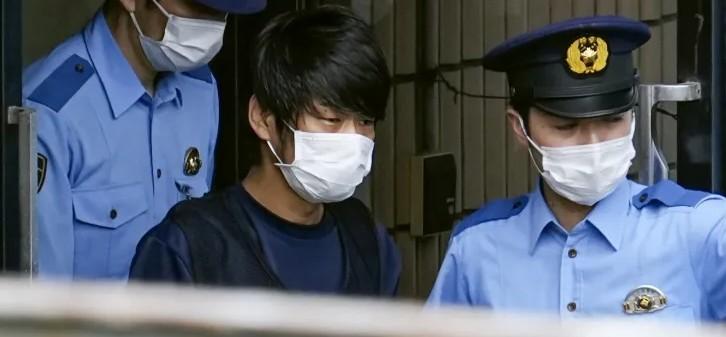
Tetsuya Yamagami pleaded guilty to assassinating Shinzo Abe in July 2022 using a homemade firearm. The assassination occurred during Abe’s campaign speech in Nara, shocking Japan and the world.

42 outlets told this the same way.
Assassination of Shinzo Abe
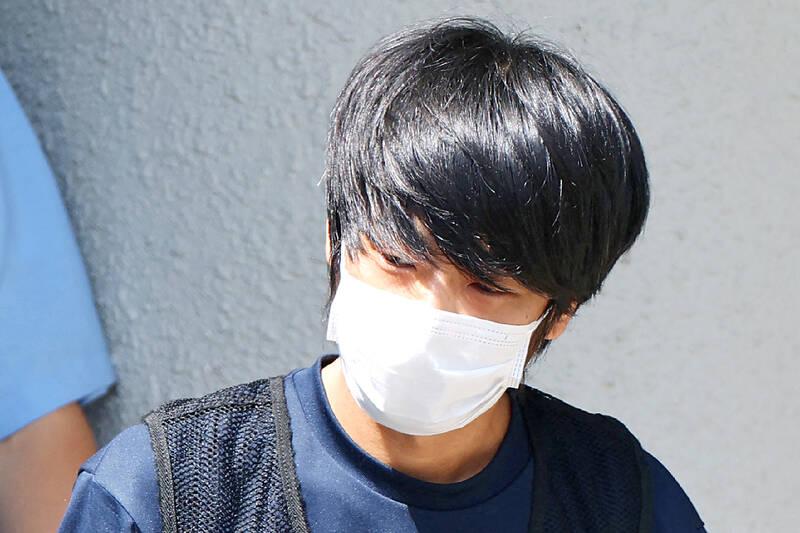
Tetsuya Yamagami, 45, pleaded guilty three years after the July 2022 assassination of former Japanese Prime Minister Shinzo Abe. He admitted he shot Abe with a homemade firearm during a campaign speech in Nara. Multiple outlets state he confessed to murder and arms law violations.
“Tetsuya Y., 45, admitted to fatally shooting Abe with a homemade gun during a 2022 campaign speech in Nara.”
Several sources detail his stated motive: anger at the Unification Church over large donations by his mother that he says ruined the family. DW reports the church confirmed his mother’s membership and adds that while Abe supported its peace efforts, he was not a member. African and Asian outlets emphasize the rarity of such violence in Japan and the shock to a country known for strict gun control.

Legal Dispute Over Weapons Charges
The legal strategy differs in coverage regarding the weapons charges and the venue of the case. Several outlets report that the Nara District Court heard the case and that the defense is challenging whether Japan’s firearms law applies to homemade weapons. Other sources indicate that the defendant pleaded guilty to all charges.
Ukraine’s UNN reports a full admission of guilt. Businessday NG and The Hindu note plans to contest some of the arms-law counts.
Local Western outlet Eastleigh Voice and Japan Wire by Kyodo describe the argument that the homemade device might fall outside the statute. The trial is proceeding under Japan’s lay judge system in Nara.
Trial Timeline Discrepancies
Timelines for the trial differ across outlets. RTE.ie and the Irish Independent say the court scheduled up to 17 additional hearings with a verdict expected on January 21. ANI News echoes that date for the verdict.
“The trial will continue with up to 17 more hearings before a verdict is expected on January 21.”
By contrast, Australia’s ABC and India Today say proceedings are expected to conclude by mid-December. Eastleigh Voice projects a verdict in January 2026. All agree the plea comes three years after the 2022 shooting.
Political Impact of Church Case
The case’s political fallout is consistently reported but framed differently across various media outlets. Western and Asian sources highlight scrutiny of ties between the ruling Liberal Democratic Party and the Unification Church. Multiple ministers have resigned amid the controversy.
A court has ordered the dissolution of the church’s Japanese branch. CBS News and Mathrubhumi report on a 2024 law that tightens controls on homemade firearms and the online sharing of weapon-making information.
The Irish Independent quantifies links between the church and over 100 LDP lawmakers. Outlook India and Businessday NG emphasize the Tokyo court’s order to disband the church, revoke its tax status, and mandate the liquidation of its assets.
Context on Abe's Impact and Japan
Several outlets provide broader context around the motive and national impact of recent events. Multiple Asian and Western sources note the family’s financial ruin from donations totaling around 100 million yen. These sources also cite claims that Abe’s grandfather helped introduce the church to Japan.
“He told investigators he was motivated by resentment toward the Unification Church... his mother donated around 100 million yen... Abe was targeted because his grandfather... helped introduce the church to Japan.”
Other reports highlight security failures, including the initial failure to recognize gunfire. Japan responded by tightening arms laws in 2024. A unique political context is noted with Sanae Takaichi becoming Japan’s first female prime minister.
Coverage also includes a concurrent visit by Trump to Tokyo and his meeting with Takaichi. These events underscore Abe’s enduring political influence, as reported by some outlets.