India11 December, 20252 min read
Thai Police Detain Luthra Brothers in Phuket After Goa Nightclub Fire Killed 25
Saurabh and Gaurav Luthra detained by Thai police in Phuket They fled Goa shortly after a nightclub blaze that killed 25 people

23 outlets told this the same way.
Arrests over Goa fire
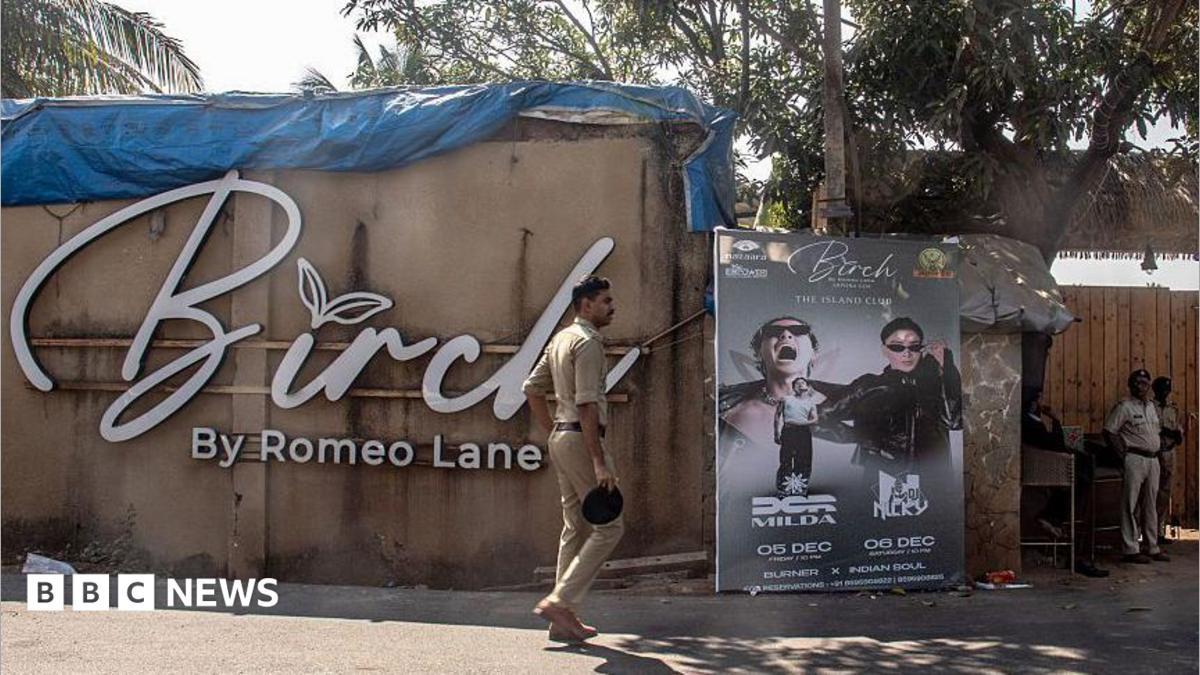
Thai police in Phuket have detained Saurabh and Gaurav Luthra, the co-owners of the Birch by Romeo Lane nightclub in Goa, after Interpol alerts and requests from India following a deadly fire that killed 25 people. Multiple outlets report the brothers are expected to be deported to India to face legal proceedings. Officials say Indian agencies coordinated with Thai authorities and that a Goa Police team is involved in the handover.
“Thai authorities have detained Saurabh and Gaurav Luthra, owners of Goa’s Birch by Romeo Lane nightclub, after Interpol issued Blue Corner notices on CBI inputs following the deadly fire that killed 25 people (including at least 15 staff).”
Departure timeline dispute
Reports differ on the brothers' departure timeline from India after the blaze. Several sources report ticket bookings at around 1:17 a.m. on December 7 and an early-morning IndiGo flight to Phuket. Other outlets specify slightly different timings and varying durations between the blaze and their departure.
Investigators cite MakeMyTrip login evidence and say the brothers left India within hours of the blaze. Lawyers for the Luthras say the trip was a planned business meeting and that they were licensees, not daily operators of the club. Sources cited include Zoom Bangla News, Indiablooms, ThePrint, India Today and Gulf News.
Blaze causes and response
Coverage differs on the likely cause of the blaze and on the extent of safety failures. Some outlets reported early suggestions of a gas-cylinder explosion. Several investigations and preliminary probes point to indoor pyrotechnics or electric firecrackers ignited during a performance.
“The blaze at the Birch by Romeo Lane on 6 December killed 25 people — mostly employees — and five tourists; early reports suggested a gas cylinder explosion but police now believe indoor fireworks started the fire.”
Other reports list systemic safety lapses, including flammable décor, no alarms or extinguishers, and constrained vehicle access that delayed firefighting. Local authorities have moved to ban fireworks and pyrotechnics in tourist venues as an immediate response. Sources include Thaiger; ABP Live English; Firstpost; India Today; and Republic World.
Charges and legal steps
Authorities and media outlets differ in how they describe the charges and the next legal steps. Indian agencies have filed FIRs listing offences ranging from culpable homicide or causing death by negligence to manslaughter and murder in at least one reported case. Courts in India have refused immediate relief to the brothers, Goa officials have moved to suspend or revoke passports, and Indian teams are coordinating extradition.
Reports note both procedural diplomatic and legal steps—such as CBI inputs, Interpol Blue Corner notices, and MEA routing—and domestic judicial actions like denied anticipatory bail and referenced FIR numbers. Sources cited include Republic World, ThePrint, News9live, Firstpost, and Indiablooms.
&w=1920&q=75)
Media reporting differences
Reporting varies in tone and human detail: some pieces emphasize the scale of the human toll and policy responses, while others focus on investigative processes and owner networks. Outlets report the death toll composition differently; for instance, Firstpost specifies 20 staff and five tourists, while Thaiger says mostly employees and five tourists.
“The blaze at the Birch by Romeo Lane on 6 December killed 25 people — mostly employees — and five tourists; early reports suggested a gas cylinder explosion but police now believe indoor fireworks started the fire.”
Reports include eyewitness descriptions of panicked crowds and immediate policy moves, such as North Goa’s ban on fireworks in tourist venues, presented as part of the aftermath. These differences in emphasis shape how readers perceive culpability, the urgency of safety reform, and the public‑health dimension of the tragedy.
