Asia14 December, 20252 min read
Thailand Attacks Cambodia Along Border, Killing At Least 25 and Forcing Over 500,000 to Flee
Royal Thai military launched an offensive to reclaim sovereign territory in Trat province At least 10 Cambodian civilians and 11 Thai soldiers killed in clashes
11 outlets told this the same way.
Outlets did split on Avalanche Strikes Himlung Himal Base Camp In Nepal, At Least 10 Missing →
Thailand–Cambodia border clashes
Fierce clashes along the Thailand–Cambodia frontier have killed at least 25 soldiers and civilians and forced more than half a million people to flee on both sides of the border. The violence has emptied villages and disrupted commerce.
“The clashes, now in their second week, have killed at least 25 people and forced more than half a million residents on both sides to flee, emptying villages and disrupting commerce.”
Multiple news outlets report the fighting has displaced hundreds of thousands of people. Al Jazeera, National Herald and SSBCrack News each said the clashes killed at least 25 people and displaced more than 500,000 residents on both sides.

Thai military retakes territory
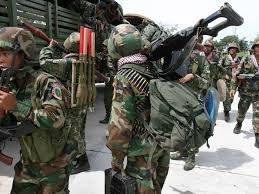
Thai authorities say they launched a coordinated military operation early in the morning in eastern provinces to 'reclaim Thai sovereign territory', with navy, army and air force activity reported across multiple frontier zones. The Royal Thai Navy told media it began an early-morning operation in Trat province and Thai outlets described air and naval strikes as well as drone and artillery actions.
Thaiger provided operational detail, reporting 'Jets circled the target twice and launched strikes at about 06:00, 06:07 and 06:12.' SSBCrack News and Al Jazeera quoted Thai statements that forces had retaken contested ground and raised the Thai flag.
Cambodia-Thailand clash claims
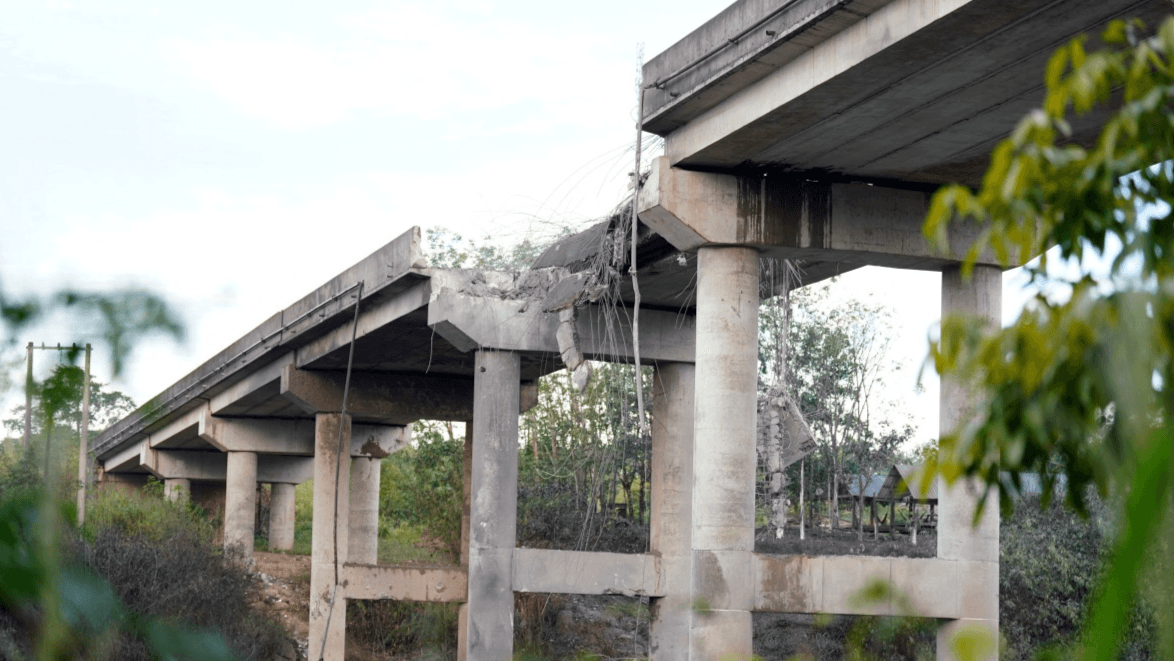
Cambodia accuses Thai forces of striking civilian infrastructure and using air power in several provinces, alleging F-16 strikes on hotels, bridges and checkpoints. Thai sources blame Cambodian rocket attacks and say they targeted military positions. Several outlets recorded these mutual accusations but cautioned that some claims had not been independently verified.
“Cambodia accuses Thai forces of breaching its sovereignty and says Royal Thai Air Force F‑16s struck a hotel and two bridges at the Thmor Da checkpoint in Pursat Province, harming civilians and infrastructure.”
Al Jazeera reported Cambodian sources saying attacks occurred in at least seven locations, including alleged F-16 bombings, but it could not independently verify those reports and said Cambodia's military had not commented. SSBCrack News reproduced similar caveats.
Contested ceasefire reports
Reports of diplomatic interventions and ceasefire claims in the conflict are contested across different news outlets.
Several outlets say U.S. President Donald Trump engaged in mediation and indicated the sides had agreed to a ceasefire.

National Herald reports that Trump announced a ceasefire had been agreed to halt the fighting.
SSBCrack News references international mediation and specifically mentions Trump's involvement.
MorungExpress states that both leaders separately spoke with Trump, who said they had agreed to a ceasefire, while also noting Thailand's denial that any ceasefire had been agreed.
The Hindu records Phnom Penh's stated openness to a ceasefire and quotes Thai officials who demanded Cambodia cease its actions before talks.
Other outlets record denials by Thai officials that any agreement was in force and note that clashes continued.
Border curfews and evacuations
The humanitarian and local-security consequences are immediate: Thailand has imposed curfews in eastern provinces and Cambodia closed all border crossings, while local reports describe evacuations and damaged infrastructure. Al Jazeera noted that Thailand imposed a curfew in Trat province and that Cambodia announced immediate closure of Cambodia–Thailand border crossings; Thaiger described evacuations around Koh Kong and Hat Lek, and The Hindu and News18 reported ongoing curfews and infrastructure damage. Reporting tone varies across sources, with some emphasizing urgent displacement and border shutdowns while others give tactical strike and casualty details, but all record significant civilian impact and strained bilateral relations.
“Thailand imposed a curfew in Trat province, and Cambodia announced the immediate closure of all Cambodia–Thailand border crossings.”